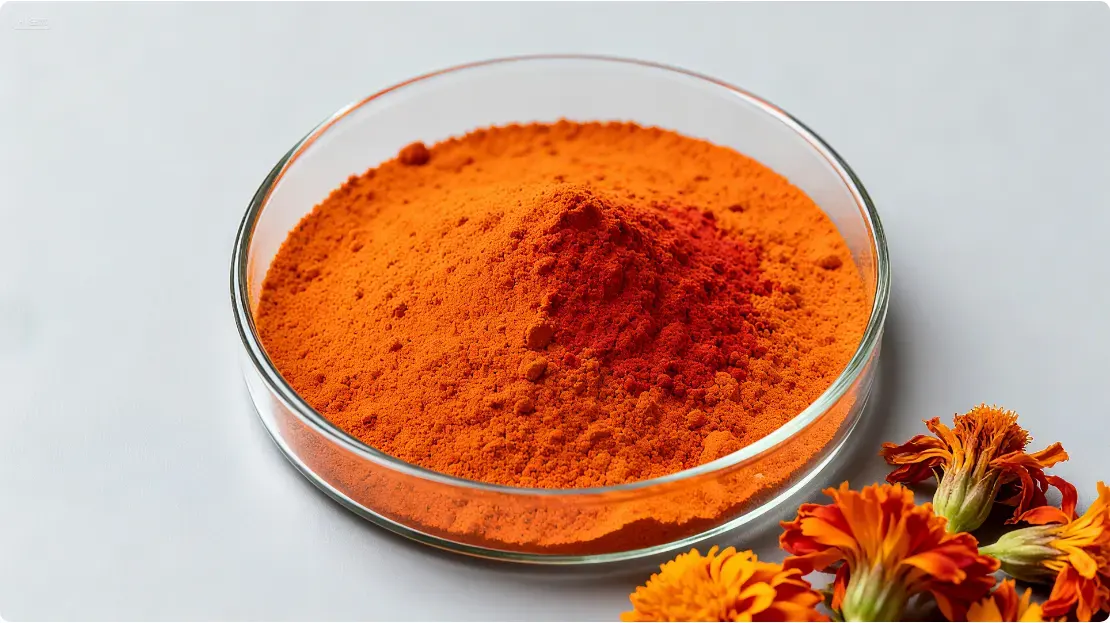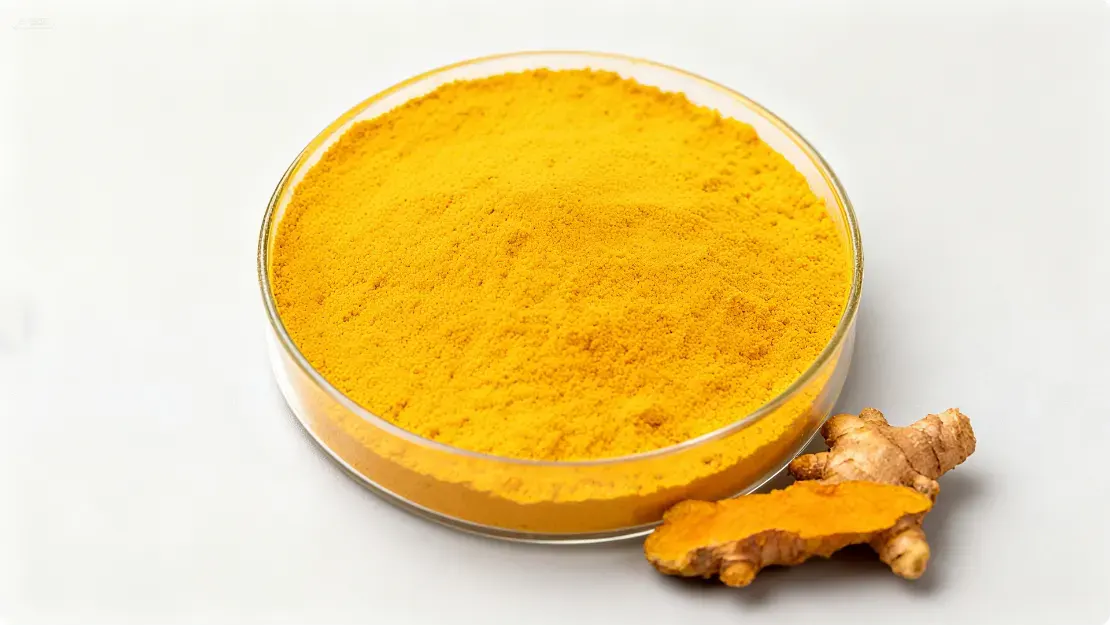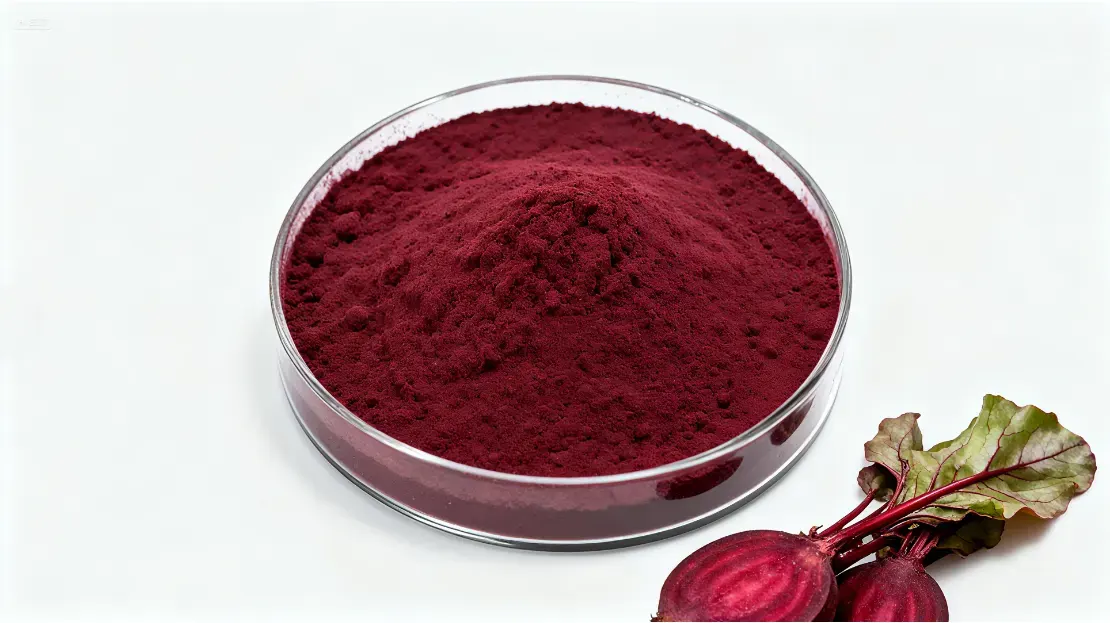

Color value: E30, E80
Appearance: Blue Fine Powder
Certificate: ISO9001/ISO22000/FDA/Kosher/halal/IFS/BRC
Sample: Free Sample Available
Package: 1kg/Bag, 25kg/drum
Gardenia Blue is a high-performance natural pigment derived from the fruit of the Gardenia jasminoides Ellis. Unlike other botanical blues that are extracted directly as a finished color, Gardenia Blue is produced through a sophisticated natural fermentation process. The iridoid glycosides (geniposide) found in the gardenia fruit are enzymatically reacted with amino acids to create a deeply saturated, stable blue hue.
In 2026, as the demand for synthetic-free ingredients reaches an all-time high, Gardenia Blue has bridged the gap between “natural origin” and “industrial durability.” It provides a deep ultramarine to navy blue shade that remains consistent under processing conditions that would typically cause other natural pigments to fail. For manufacturers of baked goods, high-heat confectionery, and complex dairy systems, it offers a reliable, clean-label alternative to FD&C Blue No. 1.
What sets Gardenia Blue apart in the world of natural colorants is its remarkable molecular resilience. While protein-based pigments like Phycocyanin are sensitive to environmental stress, the structure of Gardenia Blue is highly robust.
Exceptional Heat Resistance: This pigment can withstand high-temperature processing, including boiling, baking, and UHT sterilization (up to 120°C+), without fading or turning grey.
pH Versatility: Unlike anthocyanin-based colors (like Butterfly Pea) which change color when the acidity shifts, Gardenia Blue maintains a consistent blue shade across a wide pH range (typically from pH 3.0 to 8.0). This makes it ideal for both acidic beverages and neutral dairy products.
Strong Tinctorial Strength: A very small dosage is required to achieve a deep, impactful color, making it an economically efficient choice for large-scale industrial production.
Our Gardenia Blue is produced using a bio-enzymatic conversion process that mimics natural maturation but under strictly controlled laboratory conditions.
First, we extract high-purity geniposide from premium gardenia fruits. Then, using specific food-grade enzymes and amino acids, we trigger the natural transformation into the blue pigment. This is followed by a rigorous purification phase—utilizing macroporous resin adsorption and membrane ultra-filtration—to remove any residual fruit sugars or bitter components. The final product is a fine, 100% water-soluble powder with excellent clarity and a neutral sensory profile.
Confectionery & Hard Candies: Gardenia Blue is the gold standard for hard-boiled candies and gummies. Its ability to survive high-sugar-boiling temperatures ensures a vibrant blue finish that does not “brown” during the cooling process.
Bakery & Fine Pastry: From blue-velvet cakes to decorative frostings and fillings, this pigment remains stable in the oven’s dry heat, providing a consistent color that survives the entire shelf-life of the baked good.
Beverage Industry (Sports & Functional): For shelf-stable drinks that require long-term storage in transparent packaging, Gardenia Blue offers superior lightfastness compared to other botanical options.
Dairy & Ice Cream: It integrates perfectly into high-fat matrices, providing everything from soft pastels to deep sea-blue tones in yogurts, ice creams, and plant-based desserts.
Nutraceuticals: Used for natural tablet coatings and functional powders, providing a premium visual appeal that signals “health and purity” to the consumer.
To ensure the best results when formulating with Gardenia Blue, we recommend the following technical considerations:
Solubility Management: Our powder is highly water-soluble. For oil-based applications, we recommend pre-dispersing the pigment in a small amount of water or glycerin before adding it to the emulsion.
Color Blending: Gardenia Blue is an excellent base for secondary colors. Mix it with Gardenia Yellow to create heat-stable, vibrant greens, or with red beet extracts to achieve deep, rich purples.
Dosage Precision: Due to its high tinctorial strength, we suggest starting with a very low concentration (0.01% – 0.05%) and gradually increasing until the desired shade is reached.
Asia: It has long been an approved food additive in China (GB 2760), Japan, and Korea, where it is a staple in the food industry.
Europe & North America: In 2026, Gardenia Blue is increasingly categorized as a “Natural Botanical Extract” or is used in specific regions where its safety profile has been fully recognized. We provide full documentation, including Heavy Metal Analysis, Pesticide Residue Reports, and Non-GMO certifications, to assist your compliance team.
Q1: How does Gardenia Blue differ from Spirulina Blue? The primary difference is stability. Gardenia Blue is heat-stable and acid-stable, whereas Spirulina Blue is sensitive to temperatures above 45°C and low pH. If your process involves baking or boiling, Gardenia Blue is the superior choice.
Q2: Does it have any off-flavors? No. Through our advanced purification process, we eliminate the characteristic bitterness of the gardenia fruit, resulting in a powder that is neutral in taste and odor.
Q3: Is the color consistent between batches? Yes. Every batch of our Gardenia Blue is standardized using spectrophotometric analysis to ensure the Color Value (E-value) is identical, allowing for seamless integration into automated production lines.
Q4: Can I use it in low-pH beverages? Yes. Unlike many other natural blues, Gardenia Blue remains stable and vibrant even in acidic environments (pH 3.0+), making it perfect for carbonated soft drinks and fruit-flavored waters.
For brands that refuse to compromise on stability, Gardenia Blue is the ultimate solution. It combines the clean-label appeal of a plant-based ingredient with the industrial-strength performance required for modern food manufacturing. In the competitive landscape of 2026, it provides the reliability you need to launch successful, vibrant, and natural products.
Ready to enhance your product’s stability? Contact our technical team today for a quote, a Technical Data Sheet (TDS), and a free sample of our premium Gardenia Blue.
| Item | Specification | Method |
| Physical and Chemical Properties | ||
| Appearance | Fine Powder | Visual |
| Color | Blue | Visual |
| Smell | Characteristic | Olfactory |
| Impurity | No Visible Impurity | Visual |
| Loss on Drying | ≤ 7g/100g | 3g/105℃/2hrs |
| Identification | Conforms with TLC | TLC |
| Color Value | ≥ 80 | UV (E1%598nm in distilled water) |
| Genipin | < 5ppm | HPLC |
| Geniposide | < 80ppm | HPLC |
| Carrier | Maltodextrin | TLC |
| Methanol | < 300ppm | GC |
| Residue Analysis | ||
| Heavy Metals | ≤ 10ppm | ICP-MS |
| Lead (Pb) | ≤ 2.0ppm | ICP-MS |
| Arsenic (As) | ≤ 2.0ppm | ICP-MS |
| Cadmium (Cd) | ≤ 1.0ppm | ICP-MS |
| Mercury (Hg) | ≤ 0.1ppm | ICP-MS |
| Microbiological Tests | ||
| Total Plate Count | ≤ 1,000cfu/g | AOAC 990.12 |
| Total Yeast & Mold | ≤ 100cfu/g | AOAC 997.02 |
| E. Coli. | Negative/g | AOAC 991.14 |
| Salmonella | Negative/25g | AOAC 998.09 |
| S. aureus | Negative/g | AOAC 2003.07 |