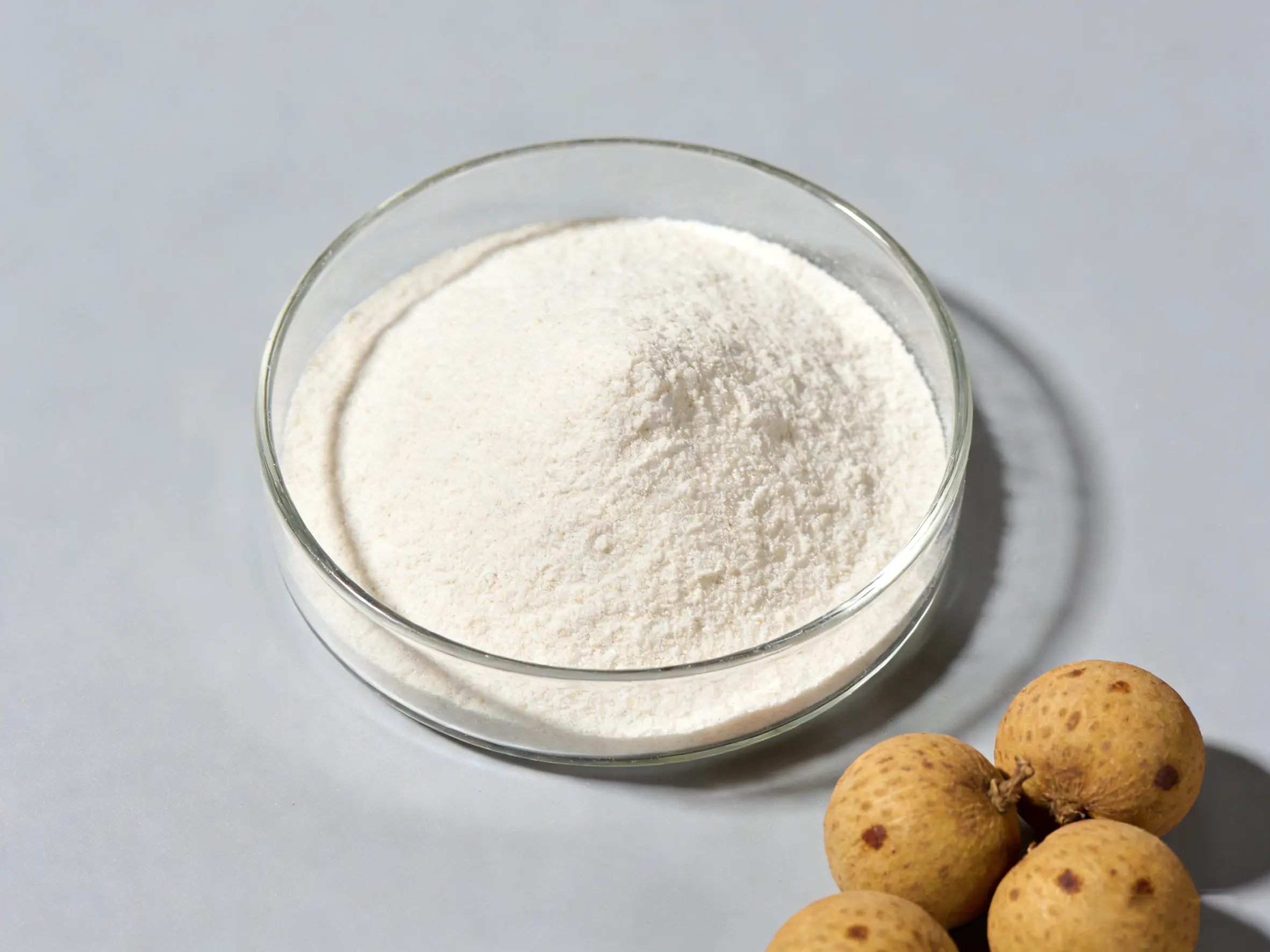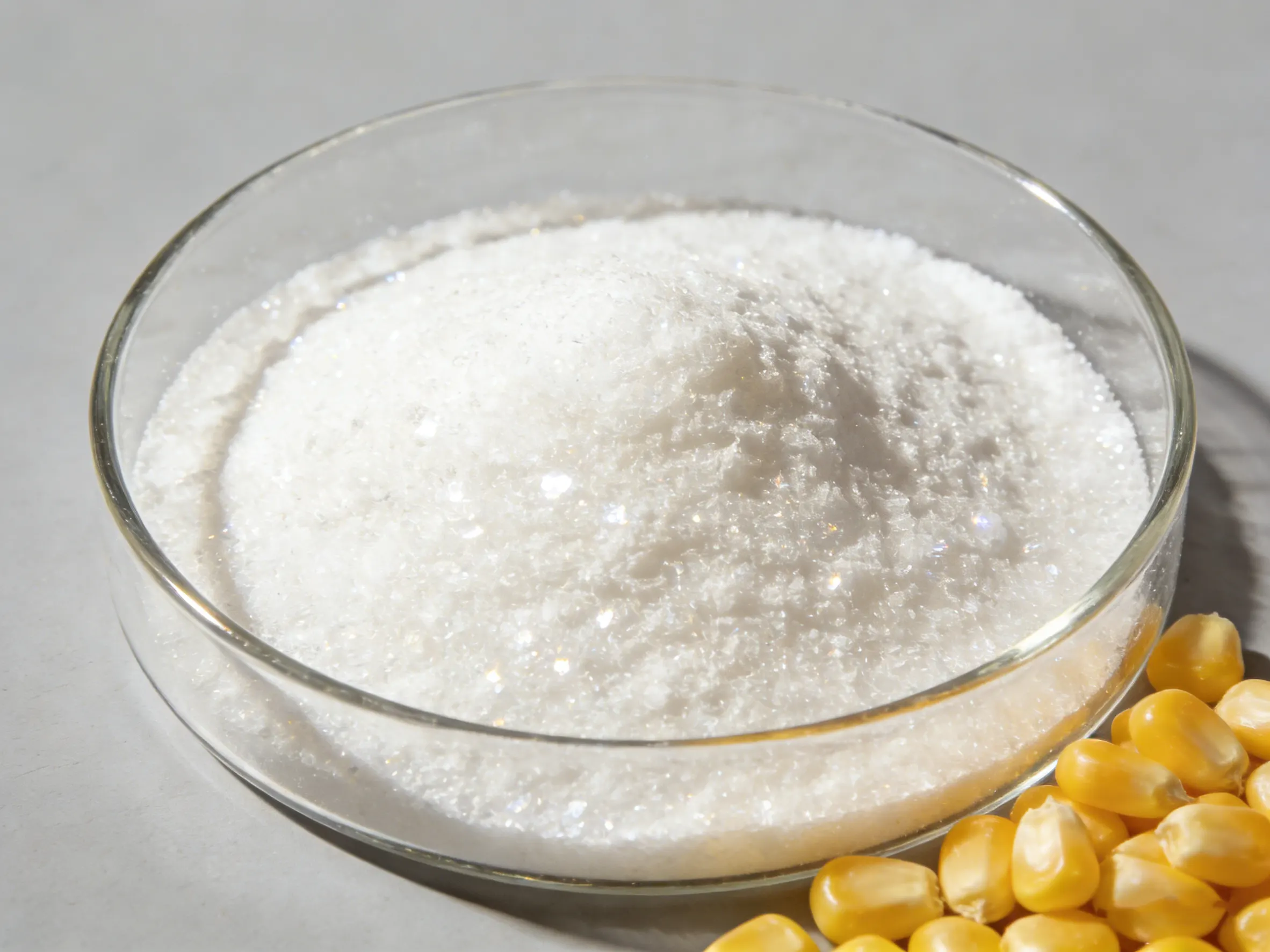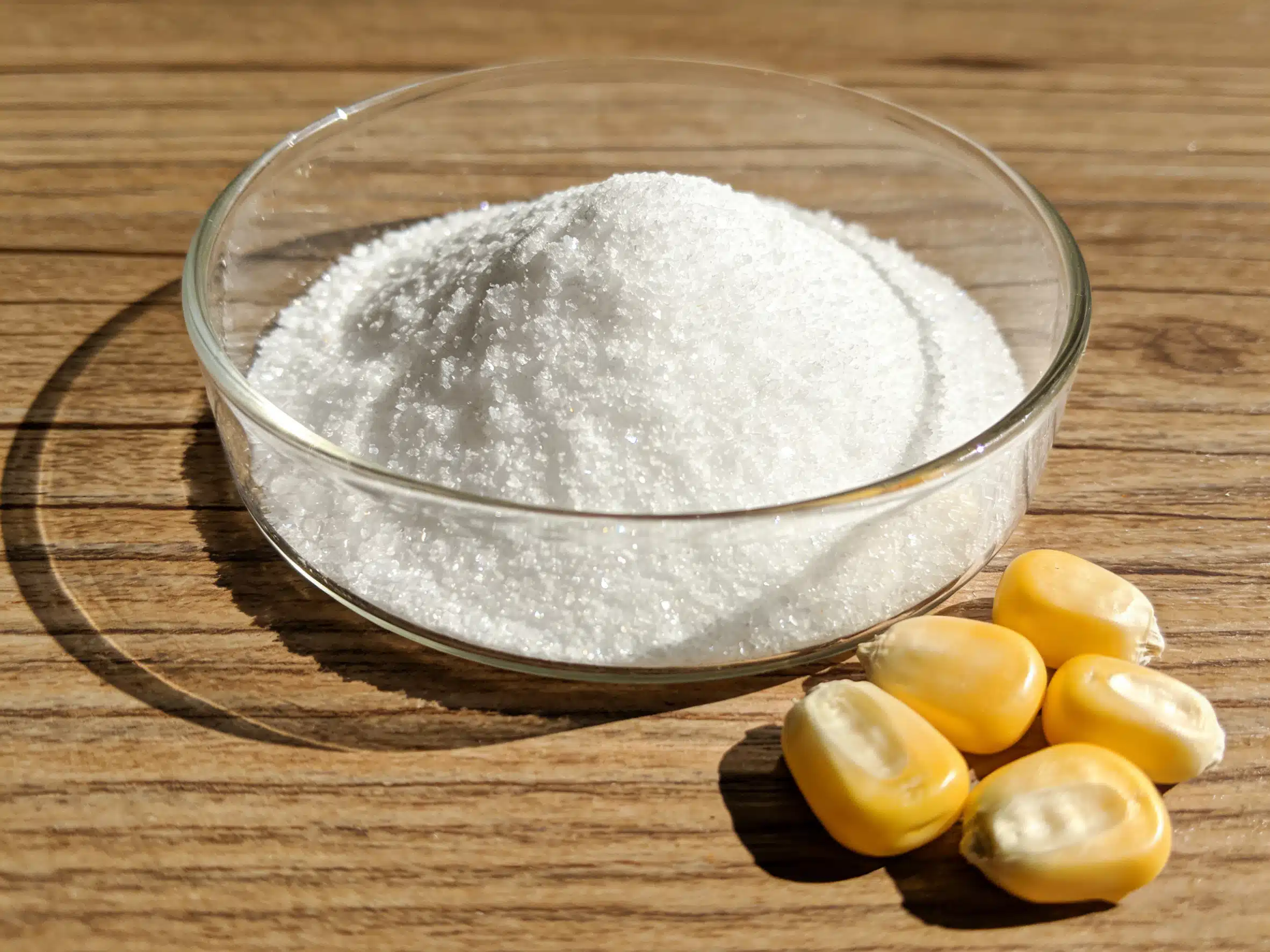
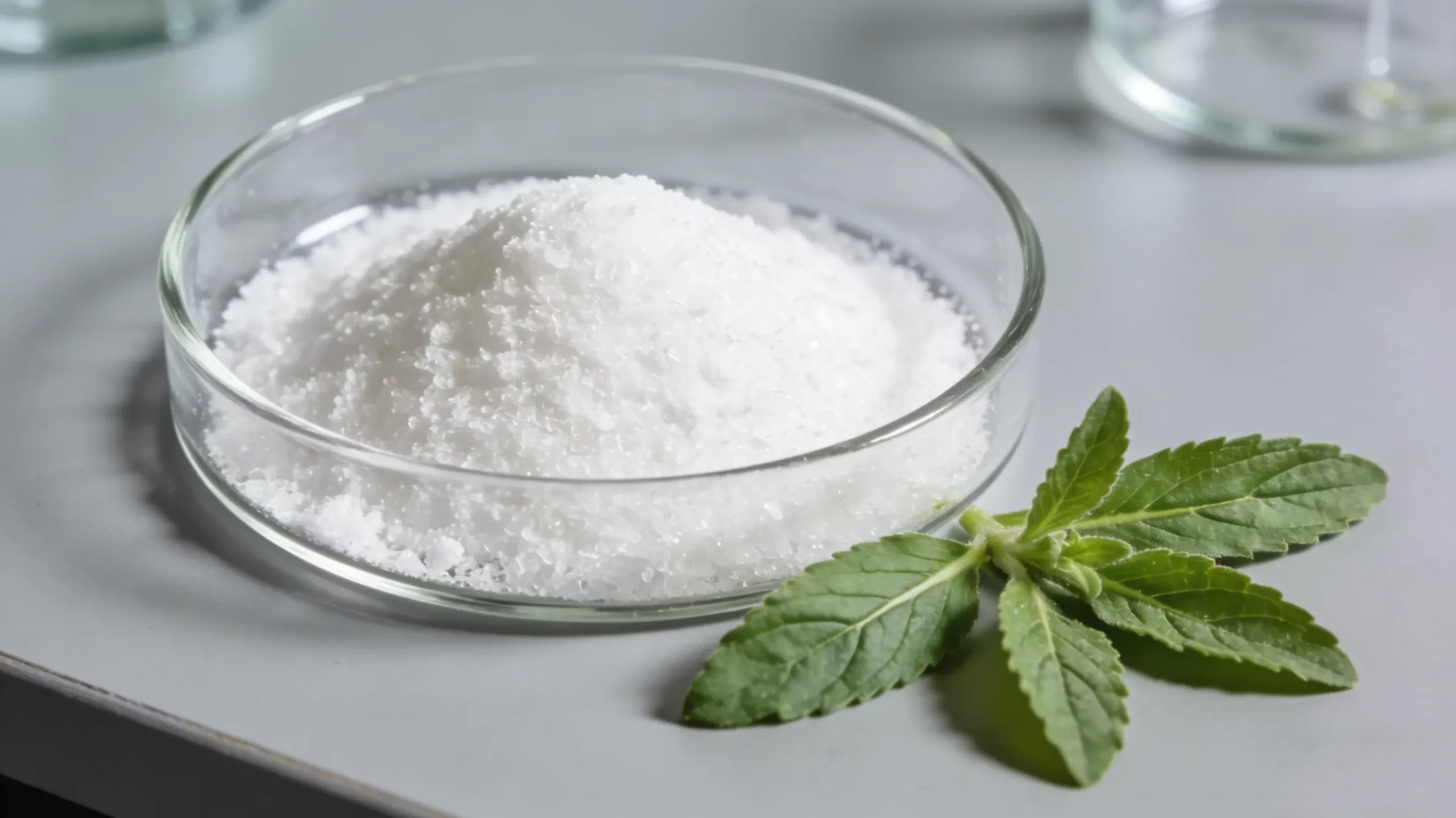
Specification: Rebaudioside A(RA), Rebaudioside M(RM), etc.
Appearance: White Powder
Certificate: ISO9001/ISO22000/FDA/Kosher/halal/IFS/BRC
Sample: Free Sample Available
Package: 1kg/Bag, 25kg/drum
Stevia has established itself as the world’s leading solution for natural sugar reduction. Derived from the leaves of the Stevia rebaudiana plant, this intense sweetening agent allows manufacturers to achieve significant caloric reduction. Our premium extract is produced through a meticulous water-extraction process, ensuring that the final material remains free from synthetic solvents and chemical residues.
Unlike early generations of botanical ingredients, our modern offerings focus on specific rebaudiosides that deliver a much cleaner taste profile. By leveraging advanced purification technologies, we provide ingredients that meet the rigorous sensory demands of the global food and beverage market, facilitating a seamless transition toward healthier consumer goods without compromising the flavor experience that drives brand loyalty.
The sweetness of the leaf is driven by complex molecules known as Steviol Glycosides. Among the dozens of compounds present in the plant, Rebaudioside A (Reb A) and Rebaudioside M (Reb M) are the most prized for their superior flavor. Our standardized extracts are tailored to provide specific ratios of these molecules, ensuring consistent potency across every production batch.
The stability of these Steviol Glycosides is a significant advantage for industrial food processing. They remain chemically stable under high temperatures and varied pH levels, making them suitable for everything from pasteurized beverages to complex baked goods. This resilience ensures that the sweetness of your product remains intact throughout its entire shelf life, regardless of environmental challenges during storage or international distribution.
In an era where “Clean Label” is a prerequisite for market success, utilizing a plant-based sweetener provides a distinct competitive edge. Consumers are actively scanning ingredient lists for recognizable, nature-derived components. Our extract aligns perfectly with this trend, offering a non-GMO, vegan-friendly, and gluten-free solution that enhances transparency and consumer trust.
Beyond its label appeal, this plant-based sweetener offers zero-glycemic benefits, meaning it does not impact blood sugar levels. This makes it an essential tool for creating products targeted at ketogenic and weight-conscious populations. By replacing sucrose with our botanical extract, brands can significantly improve the nutritional score of their products, meeting the global demand for metabolic-friendly food options.
Aftertaste Management: Our high-purity grades are specifically refined to minimize the “licorice” notes traditionally associated with the raw leaf.
Rapid Solubility: The crystalline powder is engineered for quick dissolution in both hot and cold liquid systems.
Calorie Neutrality: As a high-intensity sugar substitute, it allows for the total removal of caloric sugars while maintaining a cost-effective dosage.
Soft Drinks & Functional Waters: Providing a bright, clear sweetness without any cloudiness.
Dairy & Yogurt: Rounding out the flavor profile of low-fat and plant-based dairy alternatives.
Confectionery: Creating calorie-reduced chocolates and gummies with a natural origin.
Sports Nutrition: Effectively masking the bitterness of proteins and vitamins in functional powders.
Q1: What is the difference between various glycosides? Reb A is the most common, while Reb M is a rarer molecule known for having a taste profile that is even closer to real sugar with virtually no lingering bitterness.
Q2: Is this botanical ingredient heat-stable? Yes. It can withstand the high temperatures required for baking and UHT processing without losing its sweetening power.
Q3: Can I use Stevia in “No Added Sugar” products? Absolutely. As a zero-calorie ingredient, it is the gold standard for products making low-calorie or sugar-free nutritional claims.
Q4: How do I determine the right dosage? Since it is significantly sweeter than sugar, we recommend starting with a 1:200 ratio and adjusting based on the specific flavor matrix of your recipe.