

How to Read a Natural Food Color Certificate of Analysis
Colour value, assay and carrier form decide whether two colour quotes compare. A buyer’s guide to reading a natural food color certificate line by line.

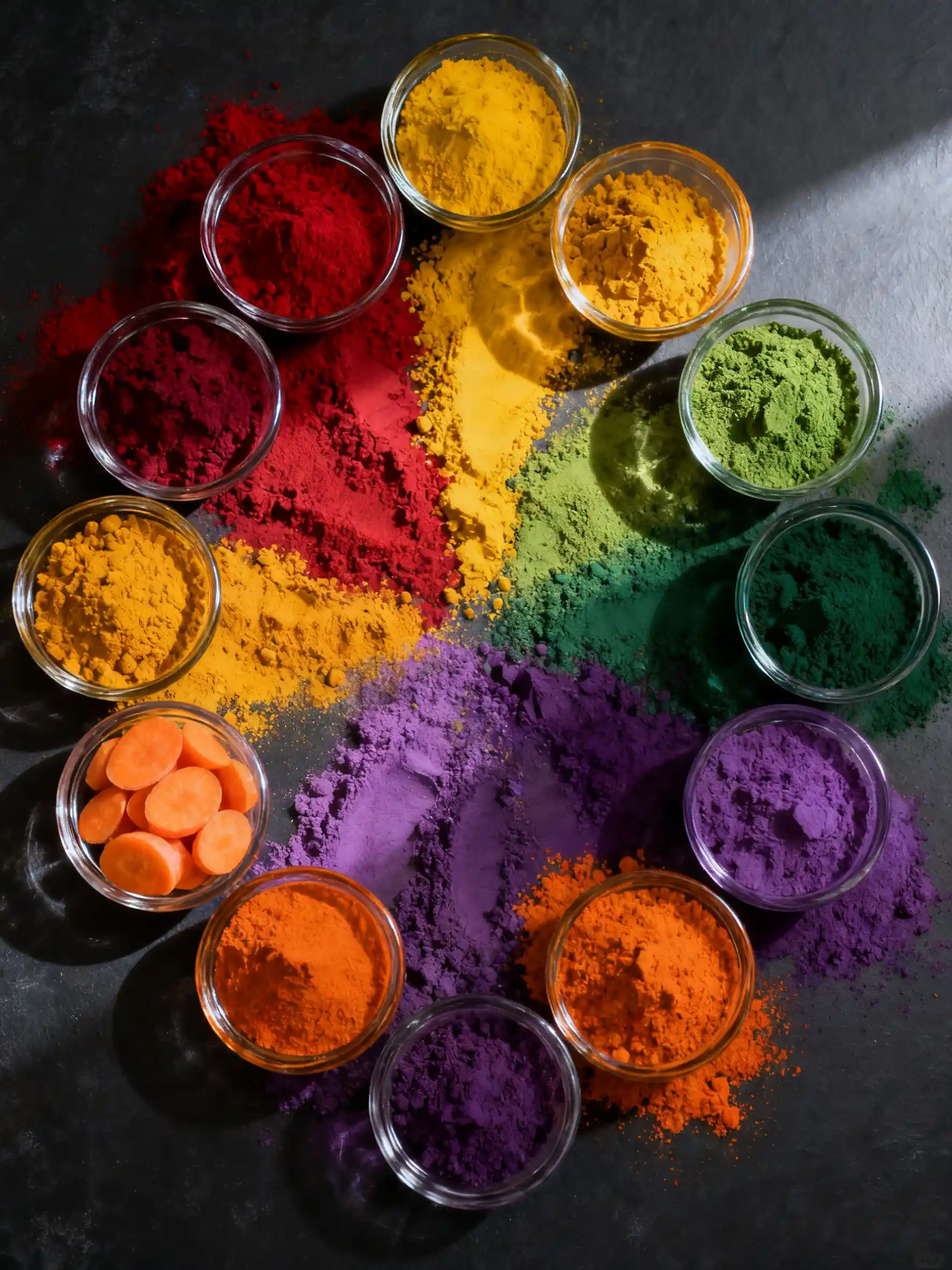

Colour value, assay and carrier form decide whether two colour quotes compare. A buyer’s guide to reading a natural food color certificate line by line.

Bulk and tapped density are the two lines buyers skip on a rhodiola COA. Batch 260828 gives a 1.35 Hausner ratio; here is what that changes on your line.

Yeast protein is not on any mandatory allergen list, but that is where the label work starts, not where it ends. The two phrasings that survive review, the shared-equipment question no list answers, and the four documents to request at order stage.

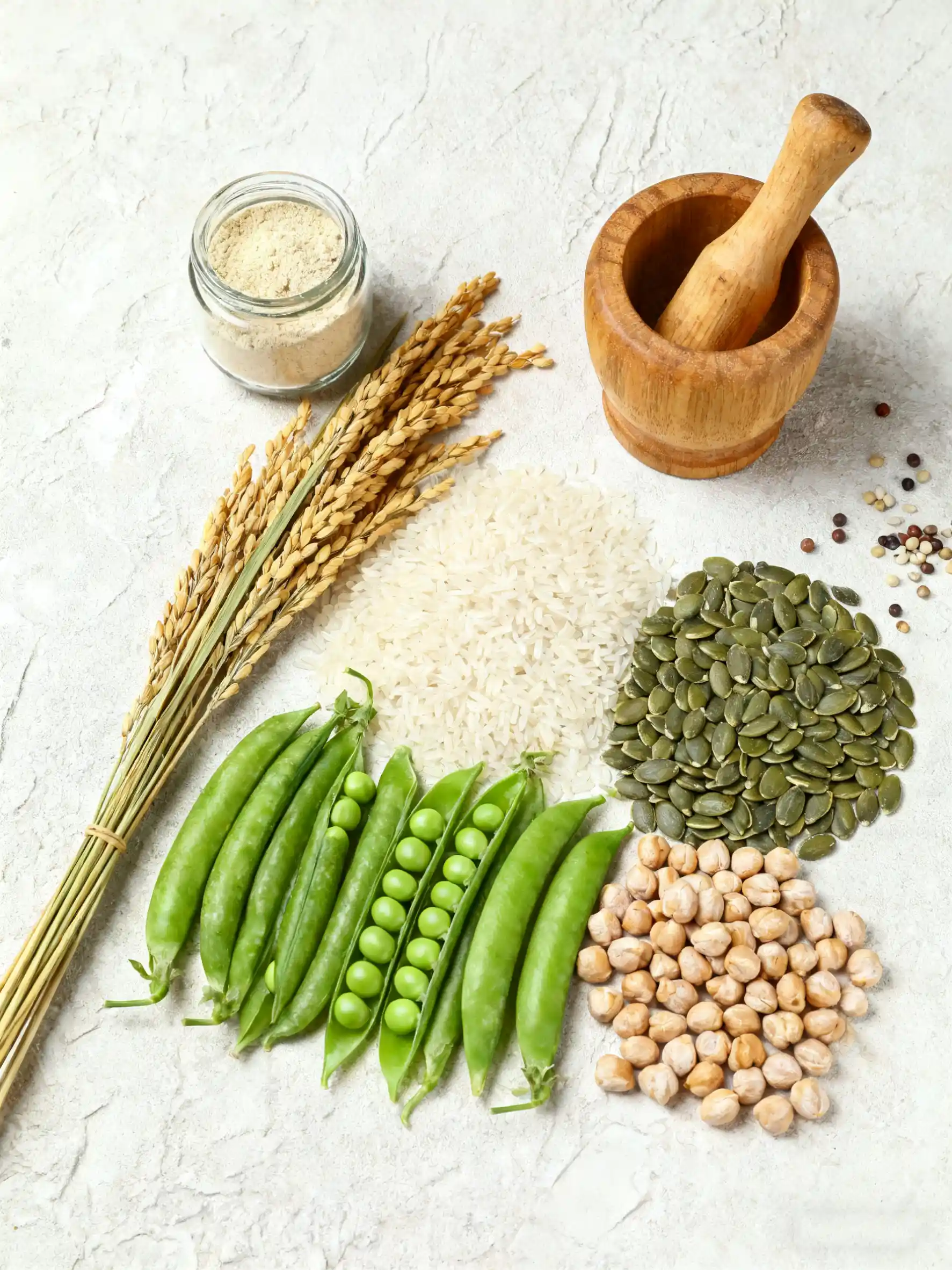
Soy and pea carry the volume; yeast protein carries the label. Allergen declarations, the sulphur amino acid row, flavour behaviour, GMO sourcing and where each protein actually wins — with the questions to ask before committing.

Whey is the benchmark; yeast protein is the credible non-dairy challenger. An amino acid comparison, the allergen and label contrast, functional behavior by matrix, price stability, and a five-document evaluation checklist before substituting.

There is no single answer to whether yeast protein is legal in a given market, because status turns on the species, the process and the form placed on the market. Where the four main export markets stand, and what to prepare.