Regulatory status by market
Allulose has the widest split of any sweetener on this site: fully usable in the United States with a labelling advantage no other sugar can match, authorised as an additive in Japan, accepted as a food ingredient in Korea, and not authorised at all in the European Union or the United Kingdom. Only the markets where it can lawfully be sold are set out below.
United States — GRAS, with a labelling rule
Position
Allulose is marketed as a GRAS food ingredient on the basis of concluded GRAS notices rather than a colour or food additive listing, so there is no E number and no CFR citation to quote.
Permitted use
As a sweetener and bulking agent in foods generally. FDA guidance issued in October 2019 allows allulose to be excluded from total and added sugars on the Nutrition Facts panel, counted instead under total carbohydrate at 0.4 kcal per gram.
Limits
The labelling benefit is a labelling rule, not an exemption from food safety law, and it applies in the United States only. A pack designed for the US market cannot carry the same sugar declaration in the EU, where the product is not authorised at all.
Japan — 指定添加物 プシコース
Position
Designated food additive (指定添加物) psicose, approved by the Ministry of Health, Labour and Welfare in 2019 and written into the Food Sanitation Act enforcement regulations and specifications in March 2021.
Permitted use
As a sweetener within the use standards set for the additive; label as プシコース.
Limits
Japan treats this as an additive rather than a food ingredient, so the additive specifications apply and the Japanese name is required on the label.
Korea — 식품원료 (food ingredient)
Position
D-allulose was recognised by the Ministry of Food and Drug Safety as a food ingredient in 2018, and since 2019 erythritol and D-allulose may be labelled at 0 kcal per gram.
Permitted use
As a food ingredient, including in alcoholic beverages since 2020, which is a use Korea permits explicitly.
Limits
Korea treats it as a food ingredient, not an additive, so it must not be declared with an INS number or as a sweetener additive.
Frequently Asked Questions
How is allulose labelled in the United States?
Under the FDA’s 2019 guidance, allulose is excluded from total and added sugars on the Nutrition Facts panel and carries 0.4 kcal/g, which is exactly why US formulators like it: the sweetness stays but the sugar line comes down. Outside the US the picture is different, and the difference is not a pending approval. EFSA published its opinion on D-allulose in June 2025 and concluded that safety could not be established, because the data it had requested on identity, production process, genotoxicity and human tolerance was not supplied. Allulose has never been authorised as a novel food in the EU, and the UK application was still under assessment in 2026. A single global label is therefore not possible today, and a European launch should not be planned around an imminent approval.
Why does allulose brown so much in baking?
It participates in the Maillard reaction far more readily than sucrose, so cookies and glazed products brown faster and darker at the same oven settings. That is a feature for crust colour and a trap for bake times – most formulators lower the oven temperature by 10-15 degrees or shorten the bake when switching sugar for allulose.
How sweet is it, and can it stand alone?
Roughly 70% of sucrose sweetness with a clean taste and no cooling effect. At full replacement the profile is close but slightly lighter than sugar, so it is often blended with stevia or monk fruit to close the gap while keeping the sugar-reduction claim.
Is it available as crystalline powder or syrup?
Both. The syrup is the more common bulk form and handles well in beverages and sauces; crystalline allulose suits dry blends and table-top style products. The two are quoted separately, so specify the form when requesting pricing.
Are there digestive tolerance limits?
Allulose is well tolerated compared with sugar alcohols – most of it is absorbed and excreted rather than fermented – but very high single doses can cause laxation in sensitive individuals, as with any rare sugar. Typical use levels sit well below the tolerance thresholds.
Allulose: The Premium Rare Sugar for Modern Formulations
Product Overview and Molecular Origin
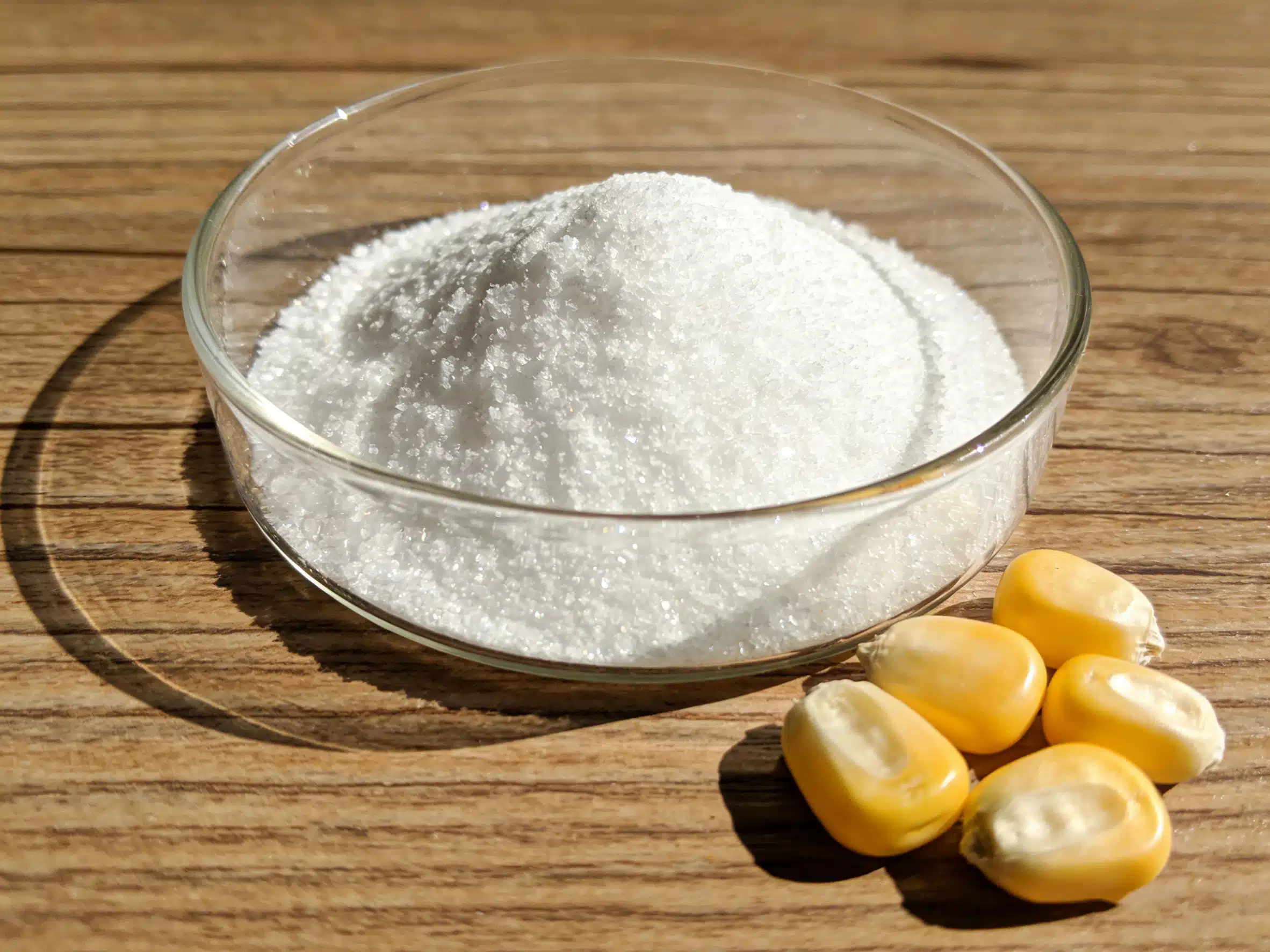
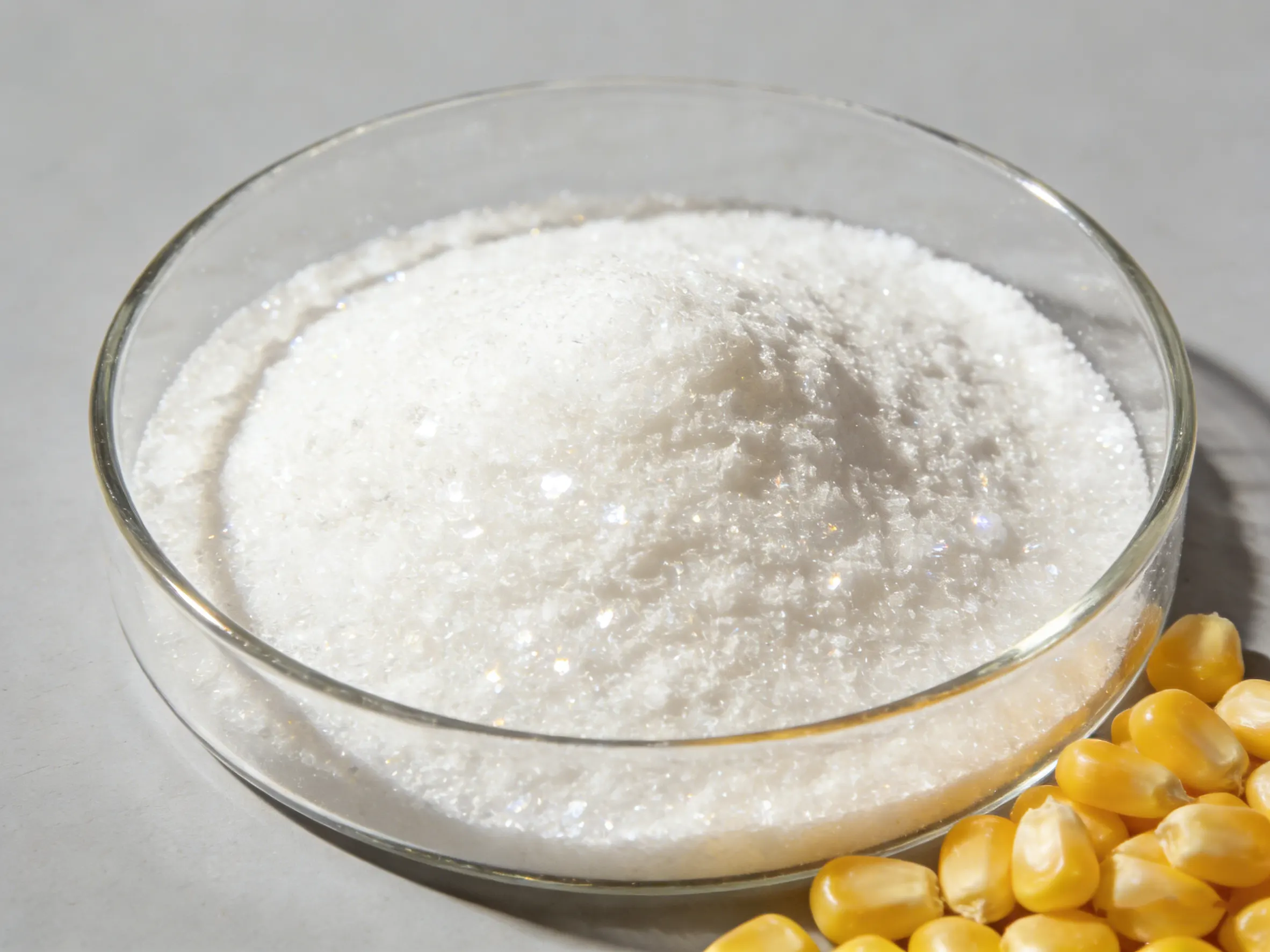
Allulose has emerged as a revolutionary ingredient in the food and beverage industry, offering the physical properties of traditional sugar without the associated caloric burden. As a high-purity rare sugar, it is found naturally in extremely small quantities in specific fruits. Through advanced enzymatic conversion of non-GMO corn, we provide a standardized version that allows manufacturers to achieve significant sugar reduction.
Unlike high-intensity sweeteners that often leave a bitter aftertaste, this monosaccharide provides a clean, sweet profile that is approximately 70% as sweet as sucrose. Its unique metabolic pathway ensures that it is absorbed by the small intestine but not metabolized into energy, making it a critical component for health-focused formulations.
Distinct Advantages of a Functional Rare Sugar
What sets this ingredient apart from common polyols like Erythritol is its exceptional performance in food matrices. While many alternatives can crystallize or cause a cooling sensation, our product behaves almost exactly like table sugar.
It provides the necessary “bulk” and mouthfeel that consumers expect in premium confectionery and bakery products. Furthermore, it exhibits a high degree of solubility, making it easy to incorporate into liquid systems without the risk of precipitation. For brands looking to elevate their product positioning, utilizing this component signals a commitment to both advanced science and natural-origin ingredients.
A High-Performance Low Calorie Sweetener
As a highly effective low calorie sweetener, this product provides only about 0.4 calories per gram, which is roughly 10% of the caloric value of sucrose. This makes it an ideal tool for formulators aiming to meet stringent nutritional guidelines while maintaining a “Clean Label” status.
Because it does not significantly impact blood glucose or insulin levels, it has become a staple for diabetic-friendly and ketogenic product lines. This solution enables the creation of guilt-free treats that don’t compromise on the sensory experience, providing the essential sweetness that drives consumer repeat purchases.
Exceptional Functionality as a Sugar Substitute
Most alternative ingredients fail when it comes to heat stability and browning. However, this sugar substitute excels in the Maillard reaction. When baked, it undergoes caramelization, producing the golden-brown crust and complex aromas that are typically lost in sugar-free recipes.
Key technical benefits of the ingredient include:
Depressing Freezing Point: Crucial for maintaining a soft, scoopable texture in dairy-free and low-sugar ice creams.
Moisture Retention: Acting as a humectant to extend the freshness and shelf life of soft-baked goods.
Synergy: It works beautifully when blended with stevia or monk fruit, masking their off-notes and rounding out the overall sweetness profile.
Quality Standards and Technical Specifications
We offer several formats to suit your industrial requirements:
Crystalline Powder: Perfect for dry mixes, baking, and tabletop sweeteners.
Liquid Syrup: An easy-to-pump solution for beverage production and sauce manufacturing.
Our facility is fully certified to international standards, including ISO 22000, Halal, and Kosher. By choosing our supply, you are partnering with a provider that understands the complexities of global food regulations and the necessity of batch-to-batch consistency.
Applications Across Food and Beverage
Beverages: Provides body and sweetness to carbonated drinks and functional waters without a chemical aftertaste.
Dairy & Frozen Desserts: Prevents ice crystal formation in low-sugar frozen treats.
Baked Goods: Allows for the production of cookies and cakes that actually brown and stay moist.
Confectionery: The preferred base for keto-friendly gummies and hard candies.
FAQ
Q1: How does Allulose differ from other options? Unlike many polyols, it participates in browning and does not have a “cooling” effect. It provides the most authentic sugar-like experience available today.
Q2: Is this rare sugar safe for daily consumption? Yes. It has been granted GRAS (Generally Recognized as Safe) status by the FDA and is used widely in global food systems.
Q3: Can I use this sugar substitute in high-temperature processing? Absolutely. It is highly heat-stable and is specifically valued for its ability to caramelize during baking and cooking.
Technical Data Sheet