

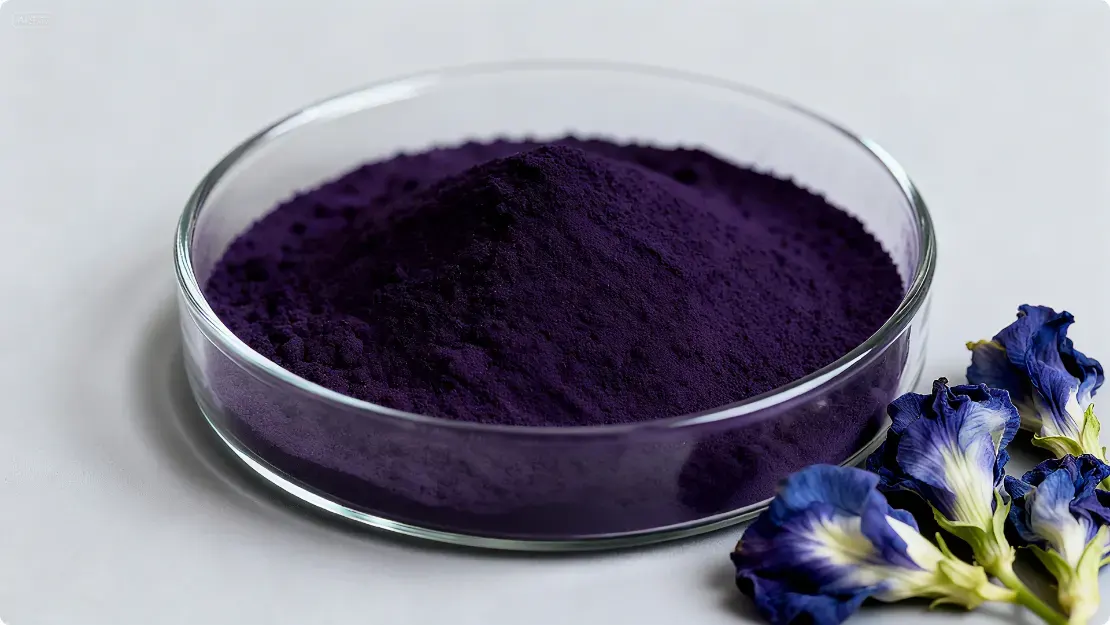
Almost any natural pigment can hit the right shade in a beaker. The difficulty starts when that shade has to survive your line — pasteurisation, retort, high-acid filling, months under shelf lighting, or a pH that moves from 4.2 to 6.8 between two SKUs. Those variables decide which pigment you can actually run, and they differ enough that one blue is not a substitute for another blue — we compare all three in natural blue pigments for food.
We manufacture nine natural colors from plant, algae and flower sources. This page sets out how to narrow them to the one or two that will work in your application before a sample is ever sent.
The single most common cause of a failed natural color trial is not the pigment itself but the environment it was put into. A color that performs perfectly in a neutral model system can fade within weeks in a carbonated drink, shift hue in a retort process, or throw sediment in a system it was never tested against. Buyers sometimes treat this as a quality problem and switch suppliers, when the real issue is that the pigment family was mismatched to the process from the start.
Natural pigments respond differently to four things: acidity, heat, light and the fat-or-water nature of the base. Once those four are known, the shortlist usually drops from nine candidates to two or three, and the conversation moves quickly from "what colors do you have" to "what will actually run".
| Application | What usually kills the color | What we suggest first |
|---|---|---|
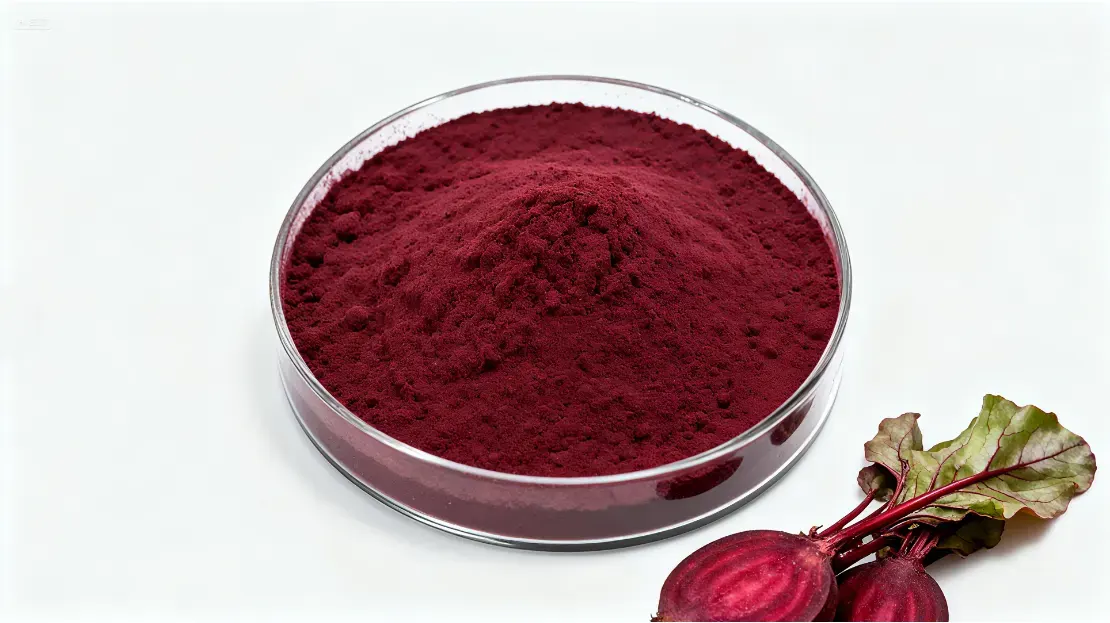
| Carbonated and still drinks, pH 2.8–4.0 | Acid plus light exposure across shelf life | Gardenia Blue, Gardenia Yellow, Beet Red |
| Neutral beverages, juices, plant milks | Heat treatment and light | Spirulina Blue, Butterfly Pea, Gardenia Yellow |
| Candy, gummies, coatings | Long light exposure on a low-temperature process | Spirulina Blue, Beet Red, Butterfly Pea |
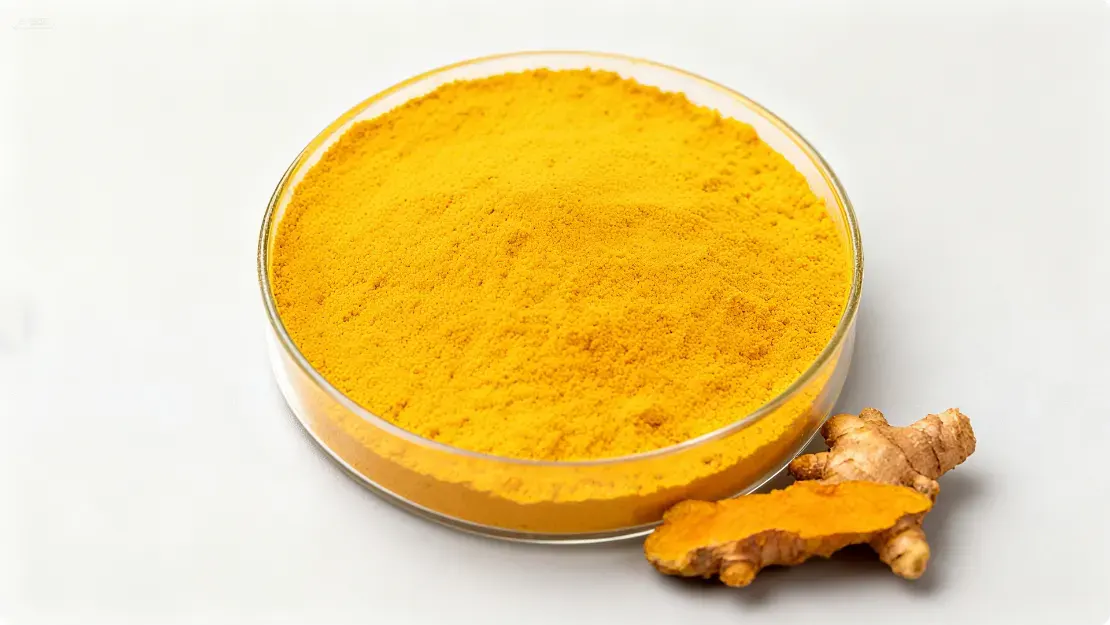
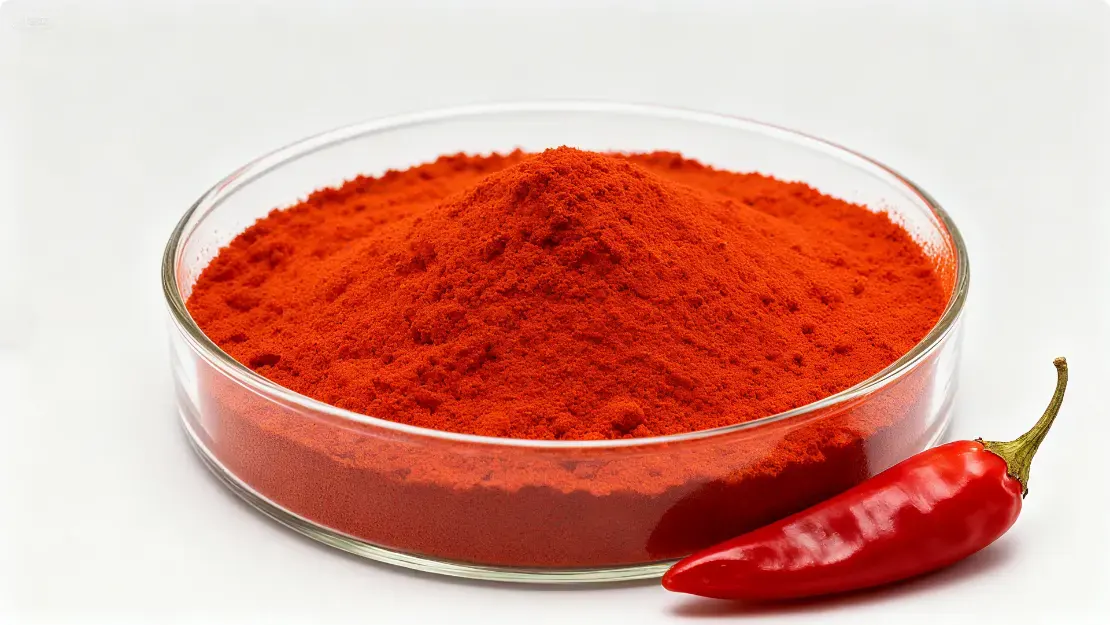
| Bakery and extruded snacks | Process temperature | Turmeric Yellow, Capsanthin, Gardenia Yellow |
| Sauces, dressings, oil-based systems | Fat solubility rather than water solubility | Capsanthin, Turmeric Yellow |
| Dairy, desserts, frozen | Cold chain with a mildly acidic pH | Beet Red, Spirulina Blue in neutral systems |
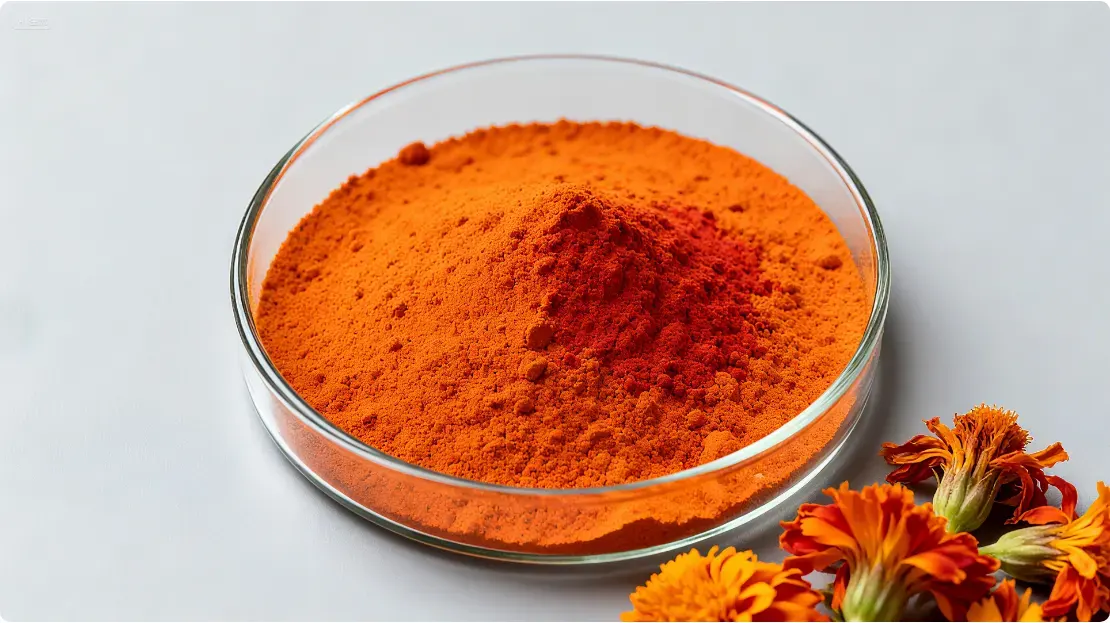
| Yellow to orange, wide pH range | Light exposure over a long shelf life | Lutein, Turmeric Yellow, Capsanthin |
Treat this as a starting point, not a rulebook. The only dependable answer comes from a stability test in your own base — which is why samples and application data come before the pricing discussion, not after it.
Two suppliers can both offer "beet red" and mean materials that behave nothing alike, because the commercial specification is what determines dosing and stability. When you compare quotations, these are the figures worth checking side by side rather than the price per kilogram alone.
We produce nine colours across blue, green, red, yellow and orange directions: gardenia blue, spirulina blue, butterfly pea blue, sodium copper chlorophyllin, beet red, turmeric yellow, gardenia yellow, lutein and capsanthin. Each is available in powder and, for most items, liquid form, and each can be standardised to the color value your formula requires. Where a customer needs a shade that does not exist as a single pigment, we blend to match rather than asking the formulator to rework the recipe.
Send us the application, the pH and the process temperature. We will tell you which of the nine colors is realistic for it and which is not. Request samples and application data
Rarely. Color strength per kilogram differs between the two, sometimes by an order of magnitude, so a direct substitution usually overshoots or undershoots the shade. Send us your current dosage and the base you are working in, and we will calculate the substitution ratio and check the resulting shade rather than leaving it to a trial run.
Fading is normally caused by light, oxygen or heat exposure rather than a defective batch. Tell us the packaging format, the storage temperature and the shelf life you need, and we will recommend a pigment that tolerates those conditions or a higher dosage combined with an antioxidant strategy.
Standard stability data is measured in model systems, which is useful for narrowing the choice but not for signing off a formula. For an actual project we work from your base, your pH and your process conditions, and we report the result as a recommendation you can repeat in your own laboratory.
Every batch ships with a COA covering color value and the parameters you specify, plus a TDS and an MSDS. Allergen statements, Non-GMO statements and halal documentation are available on request for the items that carry them.
Yes, most of the range is available in both forms. Powder generally stores longer and is easier to standardise by weight, while liquid is more convenient where dosing is continuous and the risk of dust matters. The deciding factors are usually your dosing equipment, the batch size and the shelf life you need, so tell us how the line is set up and we will recommend a form rather than leave it to preference.