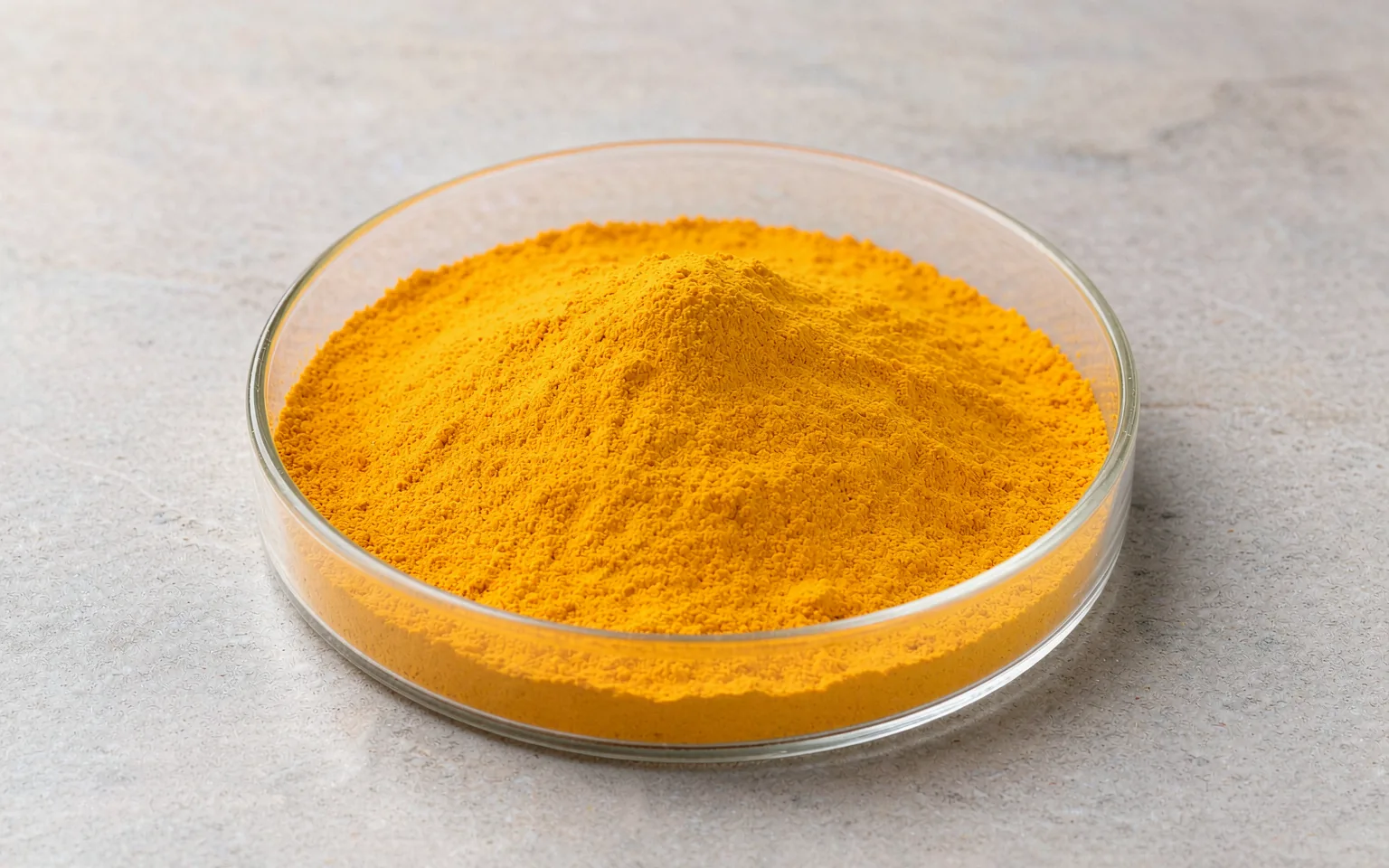
There are two completely different products sold as L-theanine, and the price difference between them is a factor of several. One is produced by fermentation or enzymatic synthesis and reaches 98% or higher as a single molecule. The other is water extracted from green tea leaf, standardised to 20%, and carries the rest of the leaf’s water-soluble fraction with it — including caffeine. Both are legitimate. They are not interchangeable in a formula, and a buyer who specifies “L-theanine” without naming the grade will get quotations that cannot be compared.
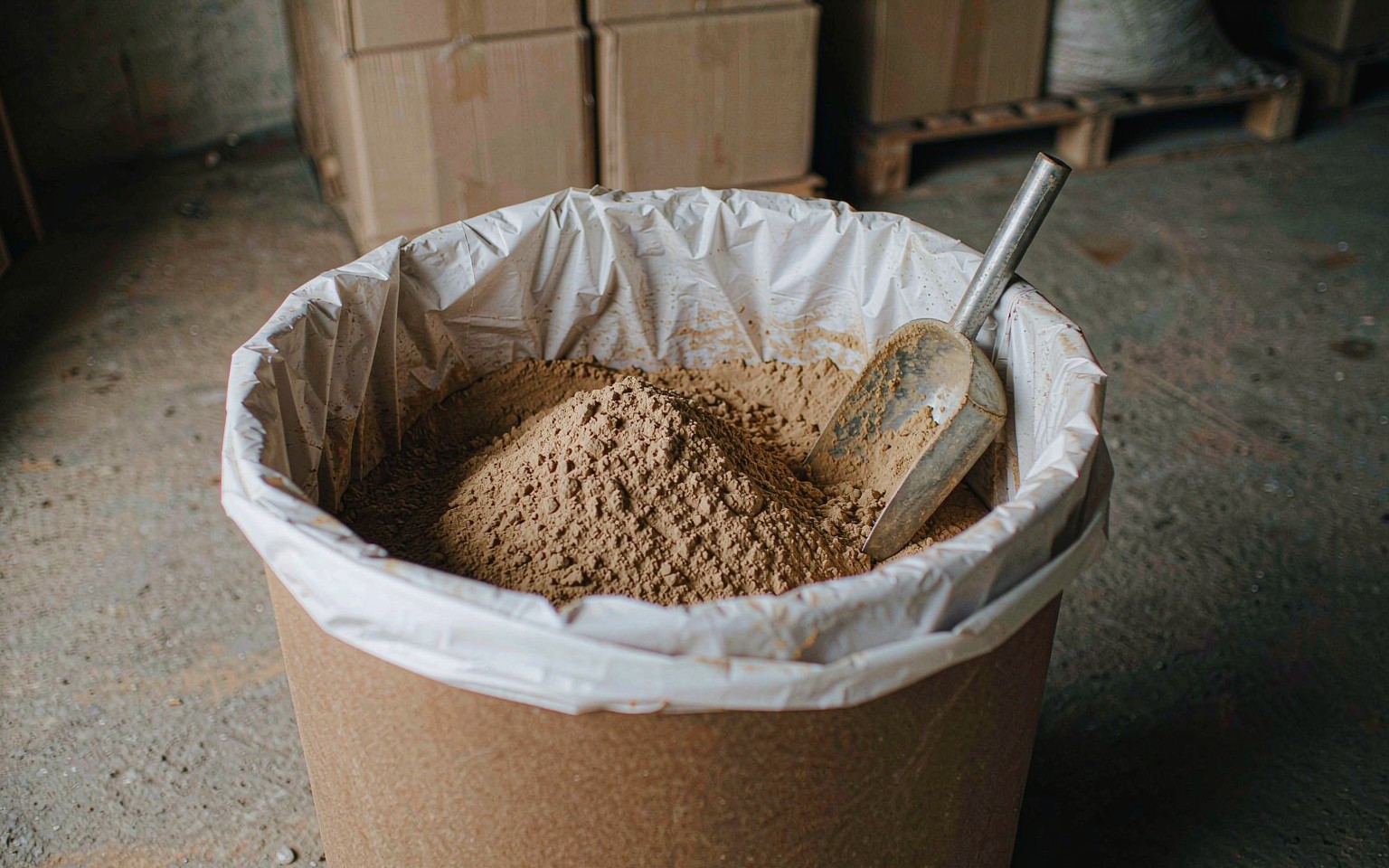
We supply the tea-derived 20% grade, extracted from Camellia sinensis leaf with water only and milled to pass 80 mesh. It is a light yellow-brown to brown powder, and the specification below is the one the certificate is written against — including the heavy metal and microbiology limits that matter for a leaf extract rather than an isolated molecule.
Product Specifications
| Item | Specification |
|---|---|
| Product Name | Green Tea Extract, standardised to L-Theanine |
| Botanical Name | Camellia sinensis O. Ktze. (leaf) |
| L-Theanine | 20.0% min, HPLC |
| Extract Solvent | Water |
| Appearance | Light yellow-brown to brown powder |
| Bulk Density | 0.25–0.65 g/ml |
| Particle Size | 100% pass through 80 mesh |
| Loss on Drying | 8.0% max |
| Acid-Insoluble Ash | 5.0% max |
| Heavy Metals | Pb 10 mg/kg max; lead 3.0, arsenic 1.0, mercury 0.1 mg/kg max |
| Microbiology | Total aerobic count 10,000 cfu/g max; moulds and yeasts 1,000 cfu/g max; coliform 10 cfu/g max; Salmonella negative/10 g |
| Statements | Non-irradiated; non-GMO |
| Packaging | 25 kg net fibre drum with food-grade inner liner |
| Storage | Tightly closed, cool and dry, away from strong direct light; do not freeze |
| Shelf Life | 36 months |
| MOQ | 25 kg (one drum); samples available |
What Comes Along With the Theanine in a Water Extract
A water extraction of tea leaf pulls theanine, caffeine and the catechins together, then the process concentrates theanine to the 20% target. What stays behind is not nothing. A 20% grade typically carries a meaningful caffeine fraction, and the theanine-to-caffeine ratio is the number that decides whether the material behaves the way the formulator expects — theanine and caffeine pull in opposite directions on alertness, and the ratio is what a finished-product developer is really balancing.
This is why a 20% tea extract and a 98% fermented theanine are not cost-equivalent even at the same price per kilogram. One delivers 200 g of theanine per kilogram with the leaf’s other solubles; the other delivers 980 g of theanine and nothing else. Dose calculations, taste and labelling all differ. We state which one we are selling on the certificate rather than letting the word “theanine” carry the ambiguity.
Colour, Taste and the Handling Differences
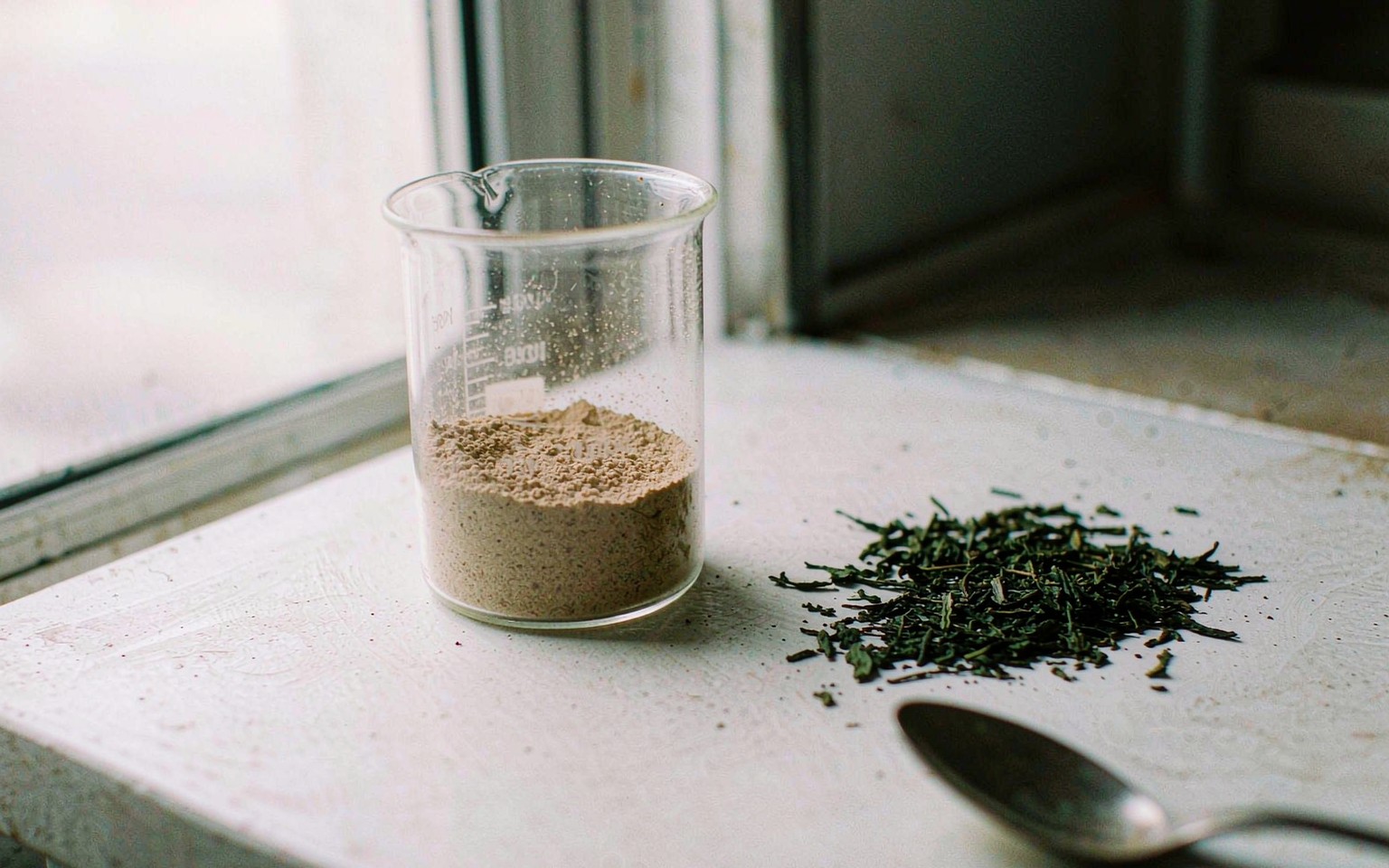
The powder is light yellow-brown to brown and tastes of tea rather than being neutral, which is fine in a capsule and less fine in a delicate beverage. Colour varies between lots because it tracks the leaf, not the specification; the certificate fixes the assay and the moisture, and the shade moves within a band according to harvest. Buyers who need a white powder for a clear drink are looking at the 98% grade instead.
With an 8.0% moisture limit and a bulk density range that spans 0.25 to 0.65 g/ml, the material behaves very differently from drum to drum in a volumetric feeder. If your line doses by volume rather than by weight, ask for the bulk density of the specific lot before you release the purchase order; it is a real source of filling-weight drift that the analytical specification will not catch.
Where a 20% Tea-Derived Grade Is the Right Choice
- Capsules in focus, calm and pre-workout stacks, where a tea-derived source reads better on the label than a fermented isolate
- Instant tea-style stick packs and powdered drink mixes that already carry a tea flavour direction
- Gummies and chews, where the 8.0% moisture limit and the low bulk density both need checking against the depositing line
- Botanical blends that position the finished product around the leaf rather than around an isolated amino acid
Why Buyers Source L-Theanine From Green Spring
- We state plainly that this is the tea-derived 20% grade, so the quotation is compared against the right product rather than against a 98% isolate
- Water-only extraction, non-GMO and non-irradiated, with both statements written on the certificate
- Heavy metals and microbiology limits appropriate to a leaf extract, with the lead limit held at 3.0 mg/kg rather than the wider 10 mg/kg total
- 25 kg fibre drums, 36-month shelf life, and samples against your theanine or theanine-to-caffeine target
Frequently Asked Questions
Is this 98% L-theanine?
No. This is the green tea derived grade at 20% theanine by HPLC, water extracted from the leaf. The 98% product is made by fermentation or enzymatic synthesis and is a different specification entirely. We would rather say this at the top of the page than have it discovered at goods-in.
What is the caffeine content?
A water extract of tea leaf carries caffeine along with theanine, and the ratio varies with the lot. If your specification sets a caffeine ceiling or a theanine-to-caffeine ratio, send it at enquiry stage and we will confirm what the current lot can demonstrate rather than assume.
Why is the price lower than a 98% product?
Because it is not the same product. Per kilogram of theanine delivered, the 20% grade requires five times the mass, so the two prices should be compared on a theanine-equivalent basis rather than per kilogram of powder. On that basis the gap narrows considerably.
Can it be used in a clear beverage?
It will colour and flavour the drink. The powder is light brown and tastes of tea, so a clear, neutral-tasting application needs either a lower dose or the isolated grade. In capsules, cloudy drinks and flavoured systems it works without special handling.
Tell us the target theanine figure and the caffeine position, and we will confirm the current lot and quote with a sample. Request a quotation and a sample.