
Color value: E60, E80,E300, E500
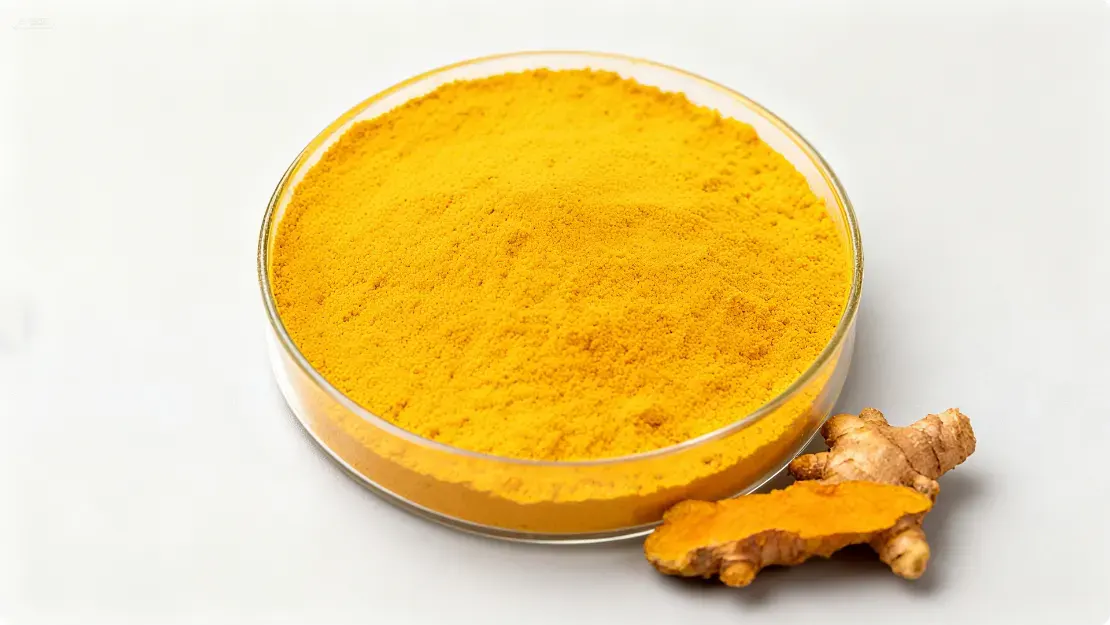
Appearance: Yellow Fine Powder
Certificate: ISO9001/ISO22000/FDA/Kosher/halal/IFS/BRC
Sample: Free Sample Available
Package: 1kg/Bag, 25kg/drum
Gardenia Yellow is a premium botanical extract derived from the fruit of Gardenia jasminoides Ellis. In the 2026 food and beverage landscape, where “clean label” transparency is paramount, this extract has emerged as the most reliable natural yellow color for industrial applications.
The distinctive brilliance of this pigment is attributed to its high concentration of Crocin, a rare and potent water-soluble carotenoid. While many manufacturers search for a generic solution to replace synthetic dyes like Tartrazine, they often find that Gardenia Yellow offers a unique combination of saturation and stability. By utilizing the power of this bioactive compound, we provide a vibrant, golden-yellow solution that meets the highest global safety standards.
UV Resilience: Unlike curcumin-based pigments, the Crocin within our extract is highly resistant to light-induced degradation. This makes it the preferred choice for products sold in clear glass or PET bottles.
Thermal Endurance: This natural yellow color maintains its integrity during high-temperature processing, such as pasteurization and UHT treatment. Even under extreme heat, the active pigment does not break down or cause browning, ensuring your final product retains a fresh, appetizing glow.
The quality of our Gardenia Yellow is guaranteed by a state-of-the-art biological extraction process. We utilize a multi-stage chilled water system to isolate the coloring compounds from the gardenia fruit without the use of harsh chemical solvents.
To produce a superior natural yellow color, we employ advanced membrane ultra-filtration. This process removes the bitter iridoid glycosides and fruit sugars, resulting in a highly concentrated powder with a neutral sensory profile. This high-purity approach ensures that the Crocin remains in its most vibrant state, providing consistent tinctorial strength for large-scale manufacturing.
Beverage Industry: It is the gold standard for functional waters and sports drinks. Its ability to remain crystal-clear in acidic conditions makes it the ultimate choice for beverage formulators.
Confectionery & Hard Candies: Due to the heat stability of Crocin, this extract is perfect for hard-boiled candies and gummies, providing a stable, vibrant appeal.
Baking & Fine Pastry: Because it survives oven temperatures, this pigment is used extensively in cakes, frostings, and fillings, offering a rich golden hue without the need for synthetic additives.
Dairy & Plant-Based Alternatives: Whether it is a creamy vegan butter or a fruit-flavored yogurt, this natural yellow color provides a warm, farm-fresh tone.
Solubility: This extract is 100% water-soluble, ensuring no sediment or cloudiness in clear liquid formulations.
pH: The Crocin remains stable across a broad pH range (3.0 – 8.0). This makes it more versatile than anthocyanin-based colors that shift hue when acidity changes.
Synergistic Blending: It is a perfect base for creating custom shades. Blend it with our Spirulina Blue to achieve a heat-stable green, or with Beet Red for a vibrant, sunset orange.
USA: Not listed as a color additive under 21 CFR Part 73.
Europe: Not authorized as a food additive and carries no E number. Its established identity is in Japan (既存添加物 クチナシ黄色素), Korea (치자황색소) and parts of Southeast Asia.
Certifications: Our production facility is certified for Non-GMO, Halal, and Kosher, ensuring a transparent and ethical supply chain.
The cultivation of gardenia fruits is a renewable and eco-friendly process. By choosing this natural yellow color, your brand supports sustainable agriculture and reduces its carbon footprint compared to petroleum-derived dyes. Our extraction of Crocin utilizes a closed-loop water recycling system, ensuring that your choice supports your company’s ESG goals.
Q1: Is Gardenia Yellow more stable than Turmeric? Yes. While both provide a natural yellow color, the active Crocin in gardenia is much more resistant to light and heat, making it the better choice for clear beverages.
Q2: Does this extract have a strong flavor? No. Our purification process isolates the pigment and removes the bitter fruit components. The final product is virtually tasteless and odorless at standard dosage levels.
Q3: Can I achieve a bright “Yellow No.5” with this product? Absolutely. By adjusting the concentration of this natural yellow color, you can achieve everything from a delicate pastel lemon to a deep, rich gold.
Q4: Is your Crocin available in different forms? Yes, we provide both high-purity powder and concentrated liquid forms to accommodate diverse production setups.
Gardenia yellow is authorised in Japan, Korea and across Southeast Asia, and in none of the Western markets covered by this site. Japan is by far its strongest market, with established uses in specific food categories rather than a general colour permission. Only the markets where it can lawfully be used are set out below.
| Item | Specification | Method |
| Physical and Chemical Properties | ||
| Color Value | E60 ~ E500 | E1%, 440nm±5nm |
| Geniposide (Conversion at color value of 10) | ≤ 1% | GB7912 |
| Appearance | Yellow Powder | Visual |
| Smell | Characteristic | Olfactory |
| Impurity | No Visible Impurity | Visual |
| Loss On Drying | ≤ 7% | USP <561> |
| Identification | Conforms with TLC | TLC |
| Carrier | Maltodextrin | TLC |
| Residue Analysis | ||
| Heavy Metals | ≤ 10ppm | ICP-MS |
| Lead (Pb) | ≤ 2.0ppm | ICP-MS |
| Arsenic (As) | ≤ 2.0ppm | ICP-MS |
| Cadmium (Cd) | ≤ 1.0ppm | ICP-MS |
| Mercury (Hg) | ≤ 0.1ppm | ICP-MS |
| Microbiological Tests | ||
| Total Plate Count | ≤ 1,000cfu/g | USP <61> |
| Total Yeast & Mold | ≤ 100cfu/g | USP <61> |
| E. Coli. | Negative/g | USP <62> |
| Salmonella | Negative/25g | USP <62> |
| S. aureus | Negative/g | USP <62> |
Request a quote: send your specification, target volume and destination port and we will come back with a grade recommendation, a sample offer and pricing.