Rhodiola rosea extract is one of those ingredients where the paperwork decides the deal about as often as the price does. Every species of Rhodiola has been in CITES Appendix II since 23 February 2023, so a shipment leaving China now travels with an export permit, and a shipment entering the EU needs an import permit issued by a Member State authority before customs will release it. We hold the standardised 3% rosavins / 1% salidroside grade in our Paris warehouse for buyers who would rather not wait out that process.
We supply it as a root extract, standardised by HPLC on the two markers the market actually trades on, extracted with ethanol and water and milled to 80 mesh. It ships in 25 kg fibre drums with the batch certificate of analysis and the Chinese CITES export permit.
Product Specifications
| Item | Specification |
|---|---|
| Product Name | Rhodiola Rosea Extract |
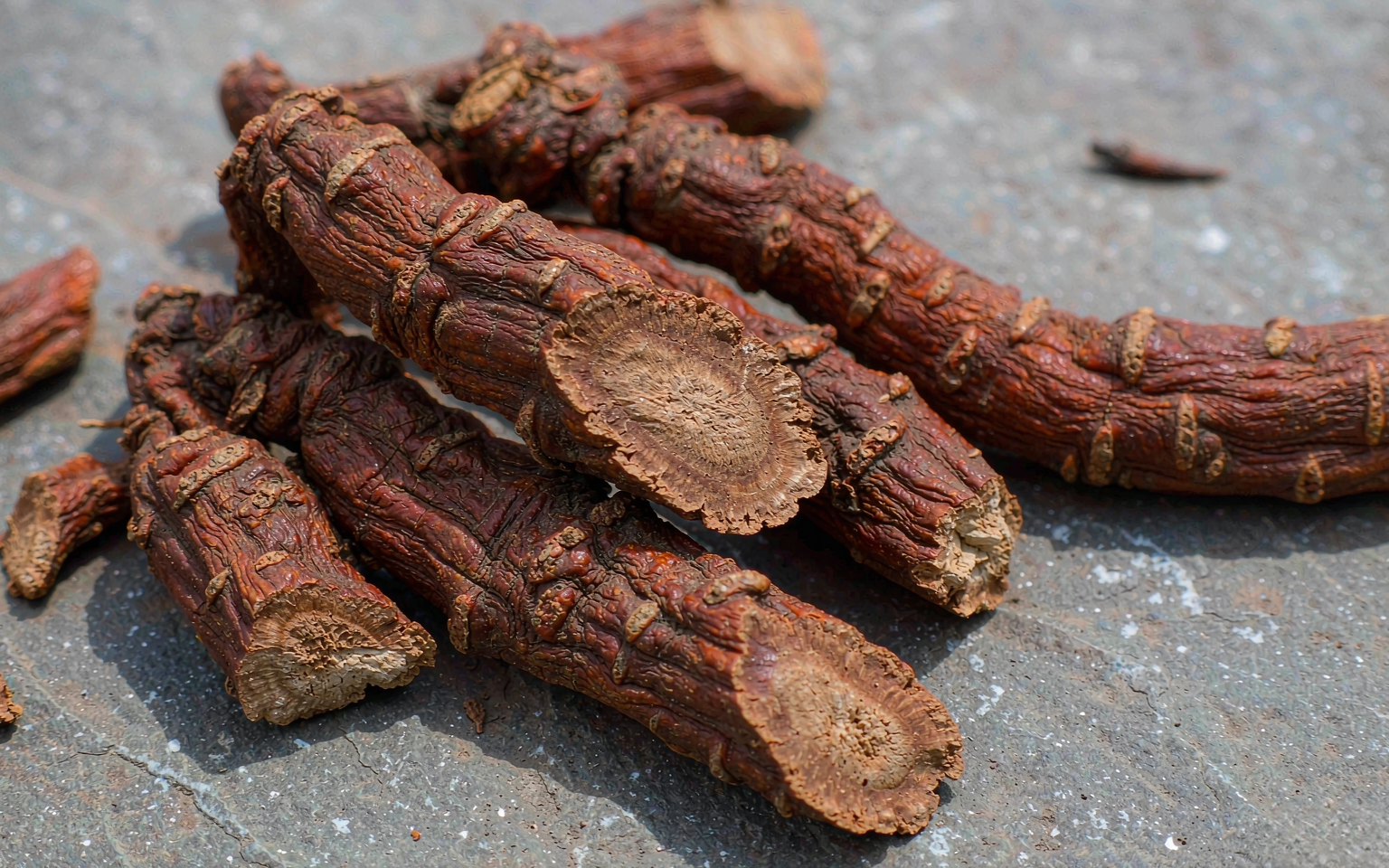
| Botanical Name | Rhodiola rosea L. (root) |
| Batch No. | 260828 (2,000 kg lot) |
| Manufacture / Expiry | 28 Aug 2026 / 27 Aug 2029 |
| Rosavins | 3.0% min, HPLC (current lot 3.05%) |
| Salidroside | 1.0% min, HPLC (current lot 1.07%) |
| Identification | Positive by TLC |
| Extract Solvent | Ethanol and water |
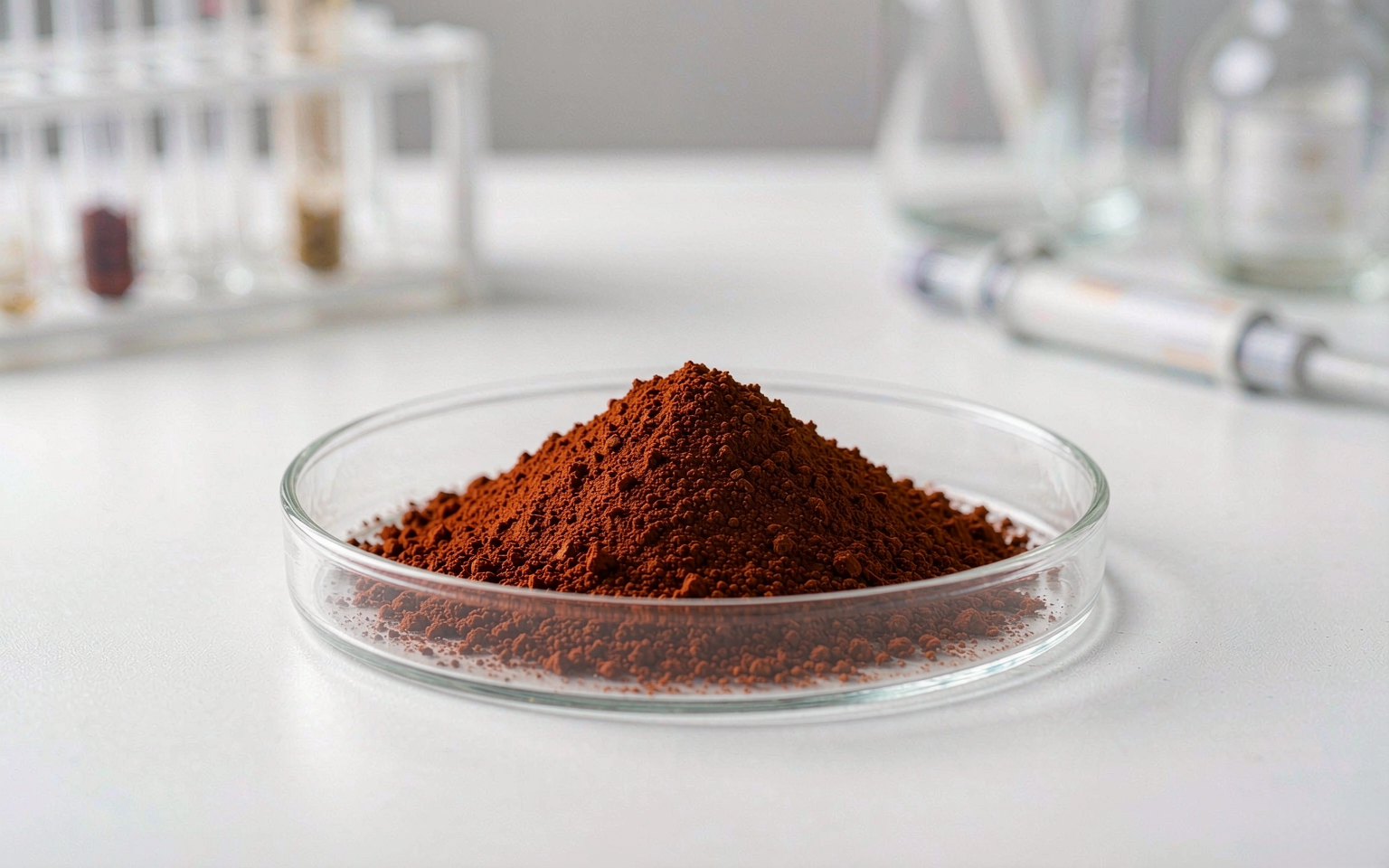
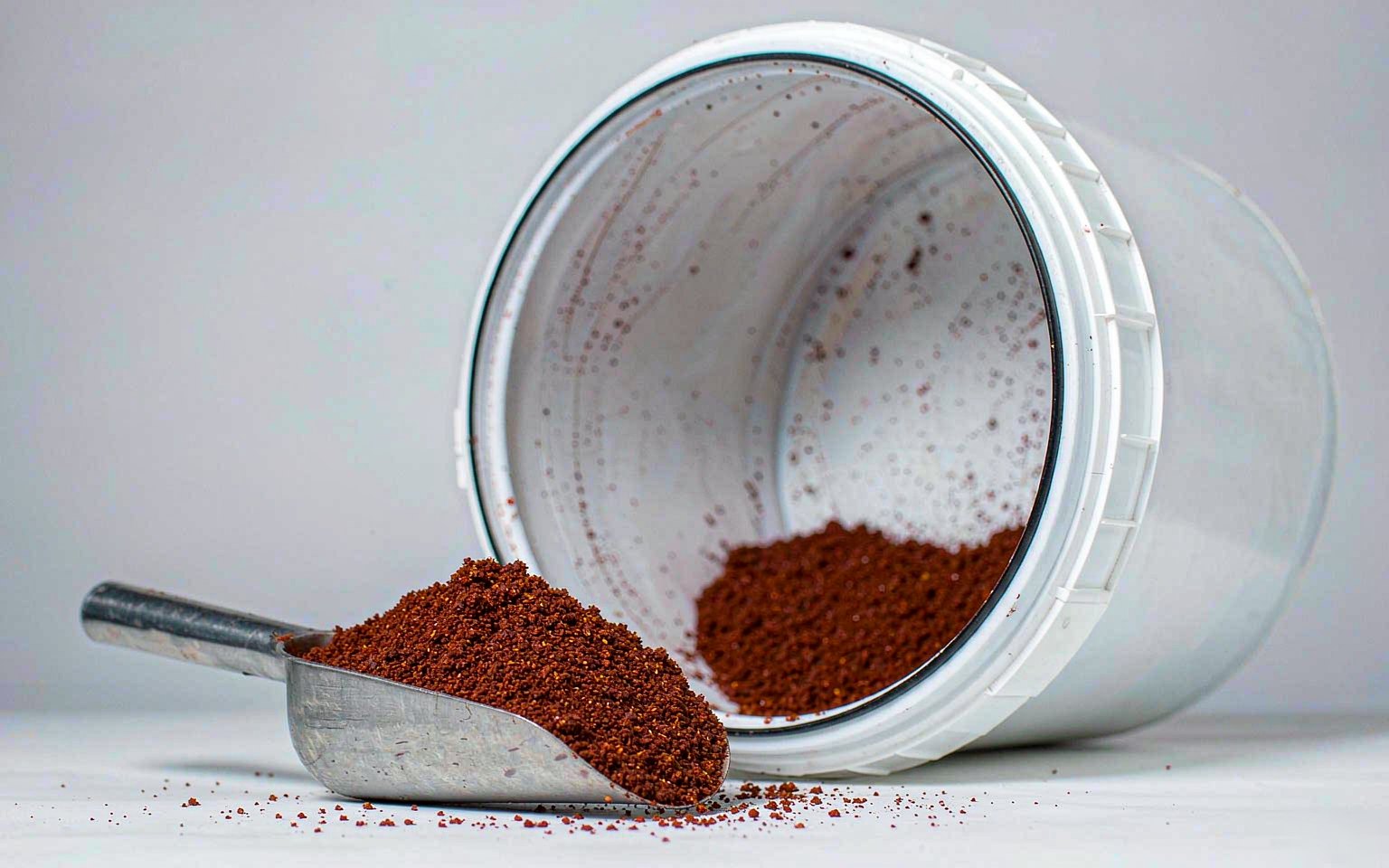
| Appearance | Reddish brown fine powder |
| Taste / Odour | Characteristic |
| Particle Size | 100% pass 80 mesh |
| Loss on Drying | 5.0% max (current lot 3.85%) |
| Total Ash | 5.0% max (current lot 1.24%) |
| Bulk Density | 30-65 g/100 ml (current lot 51.0 g/100 ml) |
| Tapped Density | 65-85 g/100 ml (current lot 69.0 g/100 ml) |
| Hausner Ratio | Derived from the two densities; current lot 1.35 |
| Heavy Metals | 10 ppm max; Pb 1, As 1, Cd 0.5, Hg 0.1 mg/kg, ICP-MS |
| Residual Solvent | Ethanol 5000 mg/kg max |
| Pesticides | European Pharmacopoeia limits |
| Microbiology | TBC 1000 cfu/g max, total moulds 100 cfu/g max, E. coli, Salmonella, S. aureus and Shigella negative |
| Mycotoxins and PAH | Aflatoxin B1 2.0 ug/kg max, total aflatoxins 4.0 ug/kg max, benzo(a)pyrene 10 ppb max, total PAH 50 ppb max; current lot negative for aflatoxins and compliant on PAH |
| Packaging | 25 kg net fibre drum |
| Shelf Life | 36 months in the unopened original drum, kept cool, dry and out of direct light |
| MOQ | 25 kg (one drum); samples available on request |
Rhodiola Rosea Extract and CITES: What Actually Changes for a Buyer
The listing came out of CoP19 in Panama in November 2022 and took effect in February 2023. It covers the whole genus, Rhodiola spp., under annotation #2: all parts and derivatives, except seeds and pollen, and except finished products packaged and ready for retail sale. Bulk extract powder is a derivative, so it is inside the control. That one sentence is why rhodiola quotations now come with a question about where the goods will ship from.
Into the EU, a bulk shipment needs an import permit issued by the management authority of the destination Member State, presented at the point of first introduction together with the Chinese export permit. There is no way around the sequence, and the application has to be lodged before the goods arrive. Goods that we have already imported into the EU, and that sit in our Paris warehouse, have cleared that step.
Outside the EU the position belongs to your own authority. We send the export permit and the batch documents with the lot, and we will tell you up front which documents we can issue and which ones you need to apply for.
Reading the Assay: Rosavins, Salidroside and the Ratio Behind 3% + 1%
The two markers measure different things. Rosavins are the phenylpropanoid glycosides, chiefly rosavin with rosarin and rosin alongside it; salidroside, also written rhodioloside, is the tyrosol glucoside. A specification that names both is telling you how much of each family the extract carries, which is why the pairing is more informative than a single headline number.
It is also where two suppliers can quote the same 3% and mean different things. Some laboratories report rosavins as the sum of the three glycosides, others report rosavin alone; the results are not interchangeable, and a specification written without saying which convention applies invites a failed incoming test. Our certificate reports total rosavins by HPLC against a 3.0% minimum and quantifies salidroside separately against 1.0%. If your specification names a single marker, or adds tyrosol or rosiridin, send it before we quote and we will confirm against the batch data rather than after the container lands.
Two physical numbers matter more than buyers expect. Batch 260828 runs 51.0 g/100 ml bulk against 69.0 g/100 ml tapped, a Hausner ratio of 1.35, so the powder moves through a feeder under its own weight rather than free-flowing like a granule. Fill weight is worth re-trimming after the first few thousand capsules, and a press run benefits from a punch check rather than an assumption. And because the extraction runs on ethanol and water rather than water alone, the glycoside profile stays closer to the root than a water-only extract does, at the cost of a slightly darker colour and a stronger characteristic odour.
Applications
- Hard capsules and tablets – the main use, where 80 mesh powder and predictable bulk density matter more than solubility
- Stick packs and instant powders – dose-led formats for travel and sport, usually blended with a flavour masker because salidroside reads bitter at higher doses
- Functional beverages – workable in RTD lines at low dose; check solubility and sediment behaviour in your own matrix before scaling
- Adaptogen blends – commonly combined with ashwagandha, rhodiola and ginseng in the same capsule, which makes the marker convention on each certificate worth aligning
Documentation Supplied With Each Lot
Every drum ships with the batch certificate of analysis covering assay, identity, heavy metals by ICP-MS, pesticide residues to European Pharmacopoeia limits, ethanol residue, microbiology, aflatoxins and PAH. Alongside it you receive the CITES export permit issued in China. The technical data sheet and safety data sheet complete the file.
Regulatory status by market
Rhodiola rosea is a supplement ingredient in every market where it is lawfully sold, and in none of them a general food ingredient. The United Kingdom adds a further wrinkle: there the usual route is a traditional herbal registration, which is a medicines framework rather than a food one. The CITES listing also runs alongside the food law and is dealt with in the section above.
United States — dietary supplement
European Union — food supplement only
United Kingdom — traditional herbal registration
Frequently Asked Questions
Do I need a CITES permit to import rhodiola rosea extract?
It depends on where the goods ship from. Rhodiola spp. sits in CITES Appendix II under annotation #2, which covers all parts and derivatives except seeds, pollen and finished products packaged for retail sale, so bulk extract powder is regulated. Buy from our Paris stock and take delivery inside the EU, and the material has already been imported under an Annex B permit. Buying from China into the EU, you apply to your Member State authority for the import permit and we supply the Chinese export permit. Buyers outside the EU follow their own national rules, and we send the export documentation with the lot.
Is the 3% rosavins figure rosavin alone or the sum of rosavin, rosarin and rosin?
Ask this of every supplier, because both conventions are in use and the numbers are not interchangeable. Our certificate reports total rosavins by HPLC against a 3.0% minimum with salidroside quantified separately at 1.0% minimum; batch 260828 tested 3.05% and 1.07%. If your specification names a single marker, send it and we will confirm against batch data before you commit to the order.
What is the price per kg and the minimum order?
Standard packing is 25 kg net in a fibre drum, which is also the minimum for one drum. Price depends on grade, volume, Incoterm and origin, because a lot released from Paris carries EU stock pricing while a shipment from China carries the permit lead time. Send your specification and target landed cost and we will quote both routes so you can compare them on the same basis.
How fast can you deliver from the Paris warehouse?
Stock lots are released within days of order confirmation, with transit time depending on destination and Incoterm; collection at the warehouse is possible as well.
Is it a root extract, and can you supply other ratios?
Yes, Rhodiola rosea L. root, extracted with ethanol and water, reddish brown powder at 80 mesh. The 3% rosavins / 1% salidroside grade is what we hold in Paris. Other ratios and other marker specifications can be quoted on request, with lead time and the documentation route confirmed before we commit.
Send us your specification and target landed cost, and we will confirm the grade against the Paris stock and quote from either origin. Request a quotation and a sample.