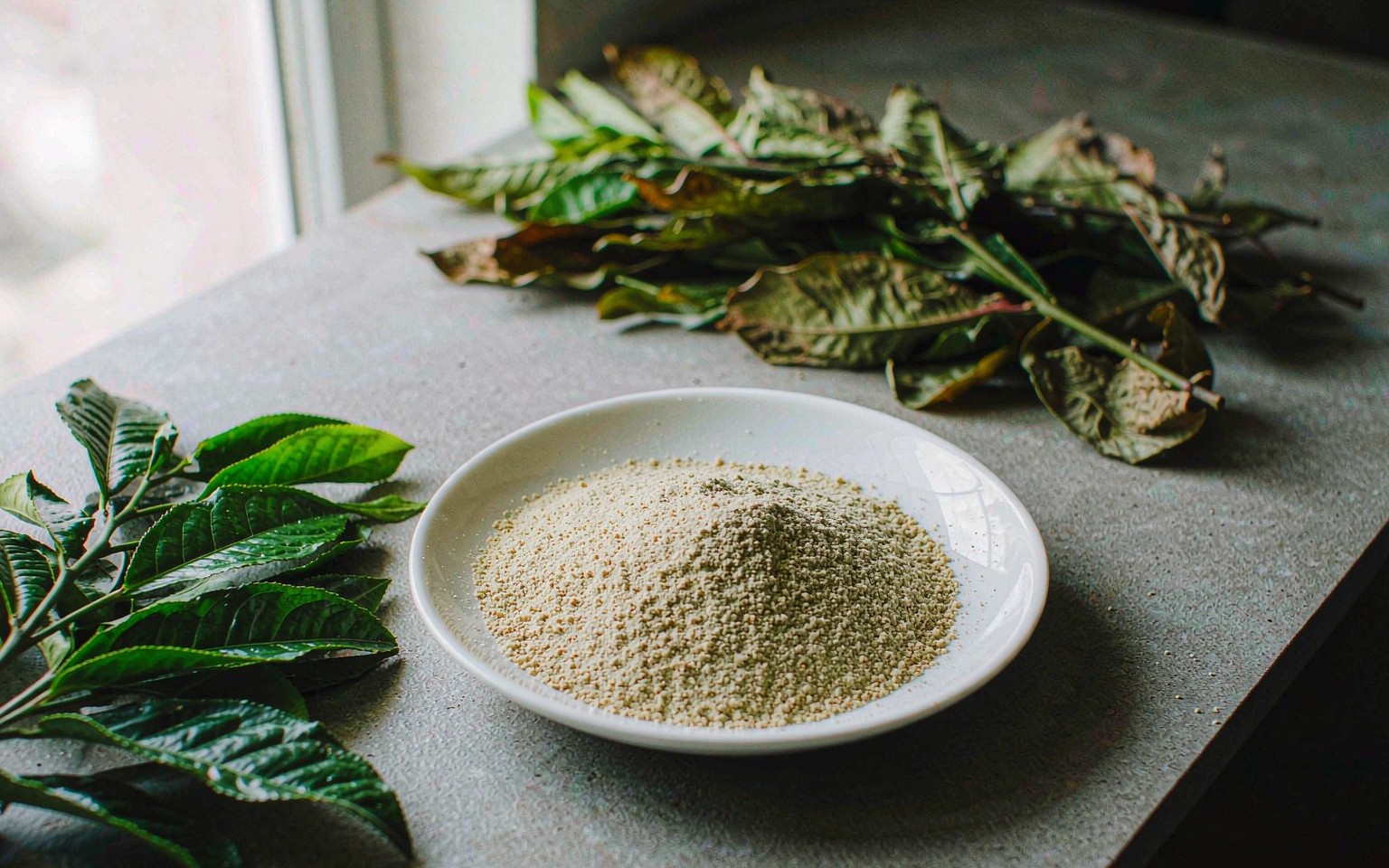
Two products come out of the same turmeric rhizome and they are not interchangeable: the oleoresin that colours food, and the 95% curcuminoid powder that goes into a capsule. Both are sold as “turmeric extract”, both are orange, and buyers regularly discover the difference only when a specification written for one is matched against a certificate for the other. This page covers the powder. If what you need is colour, the oleoresin route is a separate specification built on colour value.
We manufacture the 95% grade from Curcuma longa rhizome, extracted with ethanol and ethyl acetate and vacuum dried to an orange yellow powder. The certificate reports total curcuminoids by HPLC and then breaks the total into its three components, because the ratio between them moves with the raw material and with the extraction, and some buyers specify on the ratio rather than the total.
Product Specifications
| Item | Specification |
|---|---|
| Product Name | Curcumin Extract (Turmeric Extract 95%) |
| Botanical Name | Curcuma longa L. (rhizome) |
| Total Curcuminoids | 95.0% min, HPLC |
| Curcumin | 70–80%, HPLC |
| Demethoxycurcumin | 15–25%, HPLC |
| Bisdemethoxycurcumin | 2.5–6.5%, HPLC |
| Identification | TLC; curcuminoid content by HPLC |
| Appearance | Orange yellow powder |
| Odour and Taste | Characteristic |
| Solubility | Insoluble in water |
| Extract Solvents | Ethanol and ethyl acetate |
| Drying | Vacuum dried |
| Particle Size | 95% min through 80 mesh |
| Loss on Drying | 2.0% max |
| Total Ash | 1.0% max |
| Heavy Metals | 10 ppm max total; Pb 2.0, As 2.0, Cd 0.5, Hg 0.1 mg/kg max |
| Residual Solvents | USP requirements, by GC |
| Pesticides | USP requirements, by GC |
| Microbiology | TPC 1,000 cfu/g max, moulds 100 cfu/g max, S. aureus, Salmonella and E. coli negative |
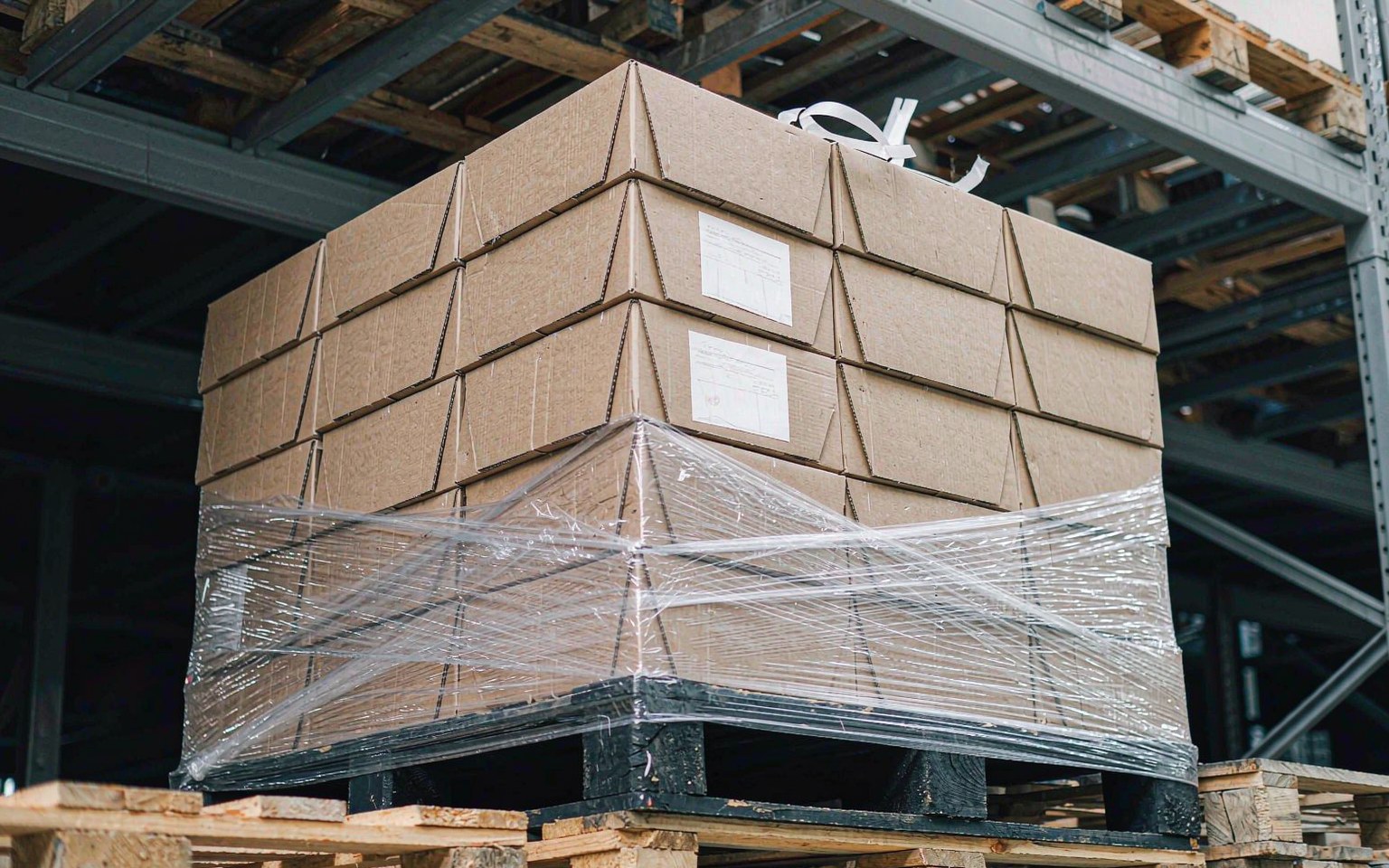
| Packaging | 25 kg net fibre drum with food-grade inner liner |
| Shelf Life | 36 months, sealed, away from light and moisture |
| MOQ | 25 kg (one drum); samples available |
The Three Curcuminoids, and Why the Breakdown Is Worth Specifying
Curcumin is the largest of three related molecules in the rhizome; demethoxycurcumin and bisdemethoxycurcumin differ from it by one and two missing methoxy groups. A 95% total can be assembled from very different splits, and the split is not cosmetic: the three differ in solubility, in stability at a given pH and in how they behave in an absorption-enhanced formulation. Two powders that both read 95% can read 78 / 16 / 4 and 72 / 20 / 5 and be sold at the same headline price.
Our certificate declares all four figures, so the ratio travels with the lot instead of being discovered later. If your brief pins curcumin at 75% or sets a floor on bisdemethoxycurcumin, say so at enquiry and we will release a lot whose split clears it, rather than ship the average and argue afterwards.
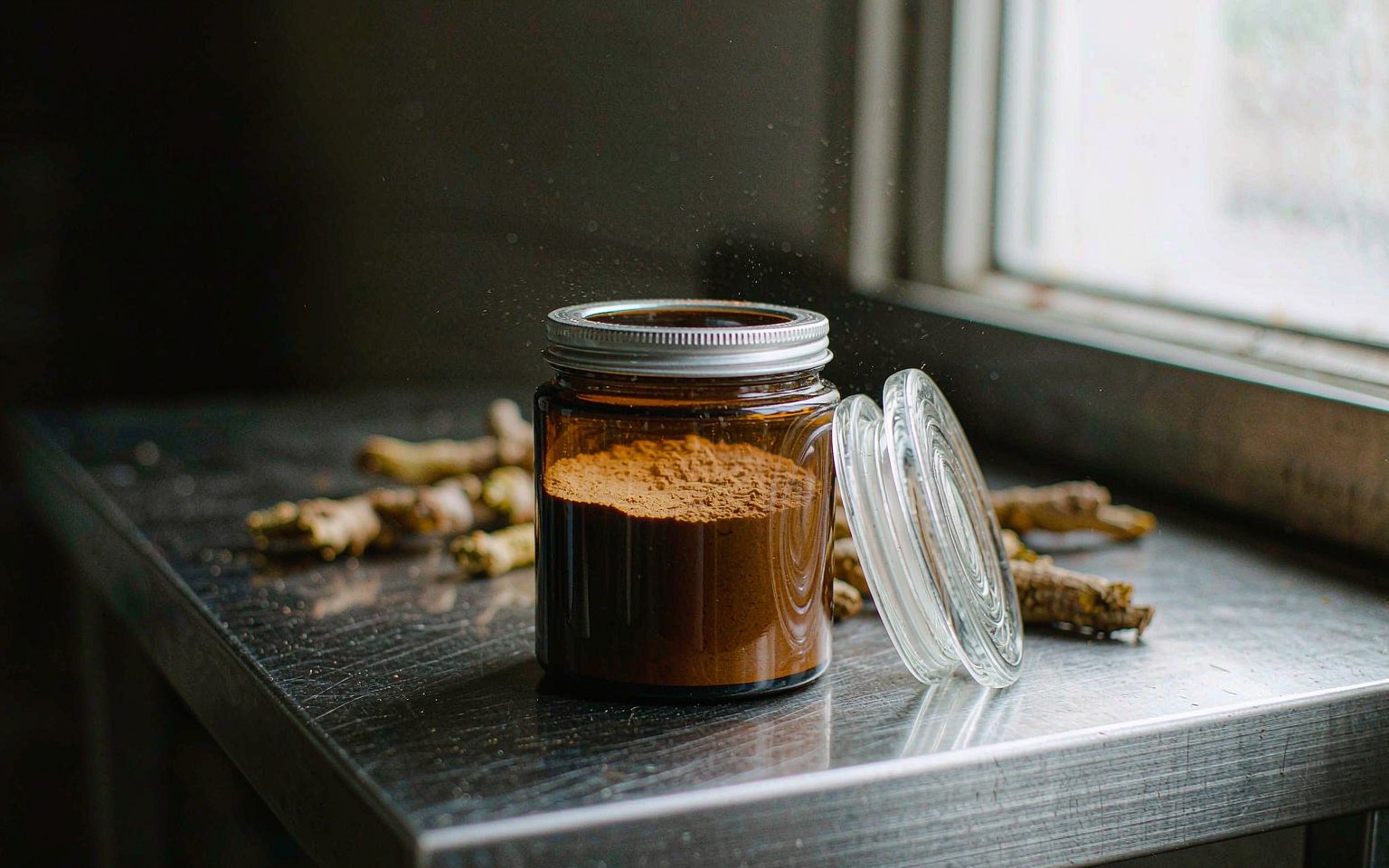
Curcumin Powder and Turmeric Oleoresin Are Different Purchases
Turmeric oleoresin is specified on colour value — a measure of how strongly it tints a food — and is used at doses measured in milligrams per kilogram of product. The 95% curcuminoid powder is specified on active content and used at doses measured in hundreds of milligrams per serving. One is a colour, the other is a formulation ingredient, and the regulatory route differs accordingly: the colour sits on the additive lists, the powder is sold as a supplement ingredient and its use levels are the buyer’s responsibility to justify in the destination market.
The practical consequence for procurement is that the two are not substitutable in a formula and should not be quoted against each other. Send the colour value if you need colour; send the curcuminoid specification if you need actives. We manufacture both and will quote the one that matches the brief rather than the one that looks cheaper per kilogram.
Where a 95% Curcuminoid Powder Goes
- Softgels and two-piece capsules, very often paired with a bioavailability enhancer such as piperine or a lipid carrier
- Stick packs and effervescent formats, where the intense orange has to be either declared on the label or masked
- Gummies and chews at low inclusion, subject to a colour and taste check against the target profile
- Cosmetic emulsions and balms using the curcuminoid fraction for colour and antioxidant behaviour rather than for dose
Why Buyers Source Curcumin Extract From Green Spring
- The certificate carries the three-curcuminoid breakdown, so the ratio between components is on the record for every lot
- Vacuum drying and a 2.0% moisture limit, which keeps a hygroscopic, light-sensitive powder stable in storage
- We also manufacture the turmeric oleoresin, so a buyer needing both the colour and the active grade deals with one supply chain and one documentation set
- 25 kg fibre drums, 36-month shelf life, and samples released against your curcuminoid target rather than a stock sample
Frequently Asked Questions
Is 95% curcumin the same as 95% curcuminoids?
No, and the gap is large. Total curcuminoids at 95% typically means curcumin somewhere between 70% and 80%, with the remaining 15% to 25% split between demethoxycurcumin and bisdemethoxycurcumin. A specification written as “curcumin 95%” is asking for something the raw material does not readily deliver, so expect a supplier to come back with a curcuminoid total and a breakdown.
Can you supply a water-dispersible grade?
The standard grade is insoluble in water. Water-dispersible and absorption-enhanced formats exist as separate products and are quotable on request; they are different specifications with different cost structures, so it is worth telling us the intended format at the enquiry stage.
How should it be stored?
Sealed, away from light and moisture, at ambient temperature. Curcumin is light sensitive and the powder is fine enough to become airborne easily, so handling in a contained area is normal practice. The 36-month shelf life assumes the drum stays unopened and dry.
What is the regulatory position for a food or supplement use?
Use levels and permitted applications are set by the destination market, and the colour additive listings that cover turmeric colour do not automatically cover a 95% curcuminoid powder used as an active. We supply the specification and documentation; confirming the permitted use in your market is the importer’s step, and we will share what the specification supports so that assessment can be made against facts.
Send the curcuminoid specification and the intended dose form, and we will match the current lot and quote with a sample. Request a quotation and a sample.