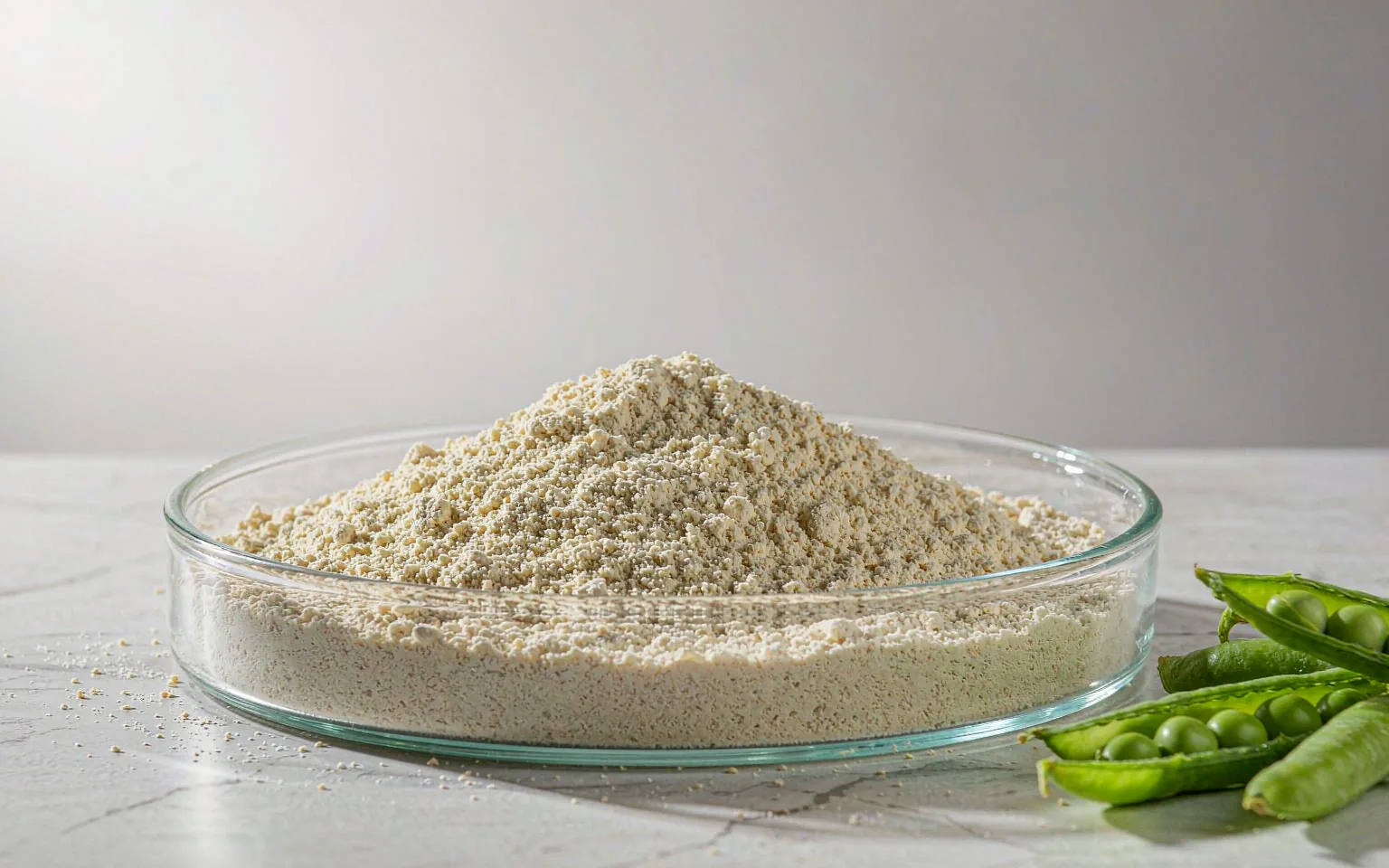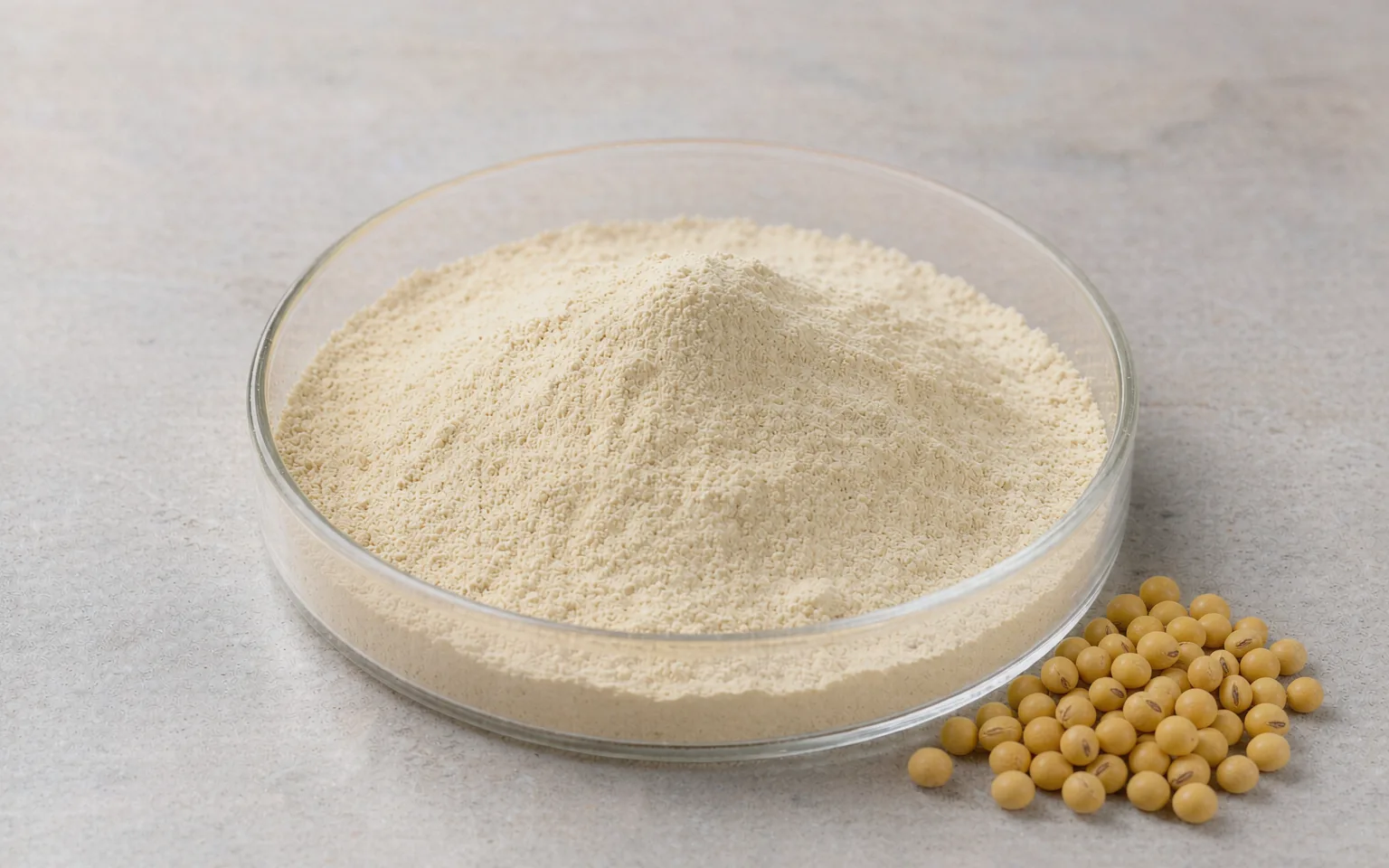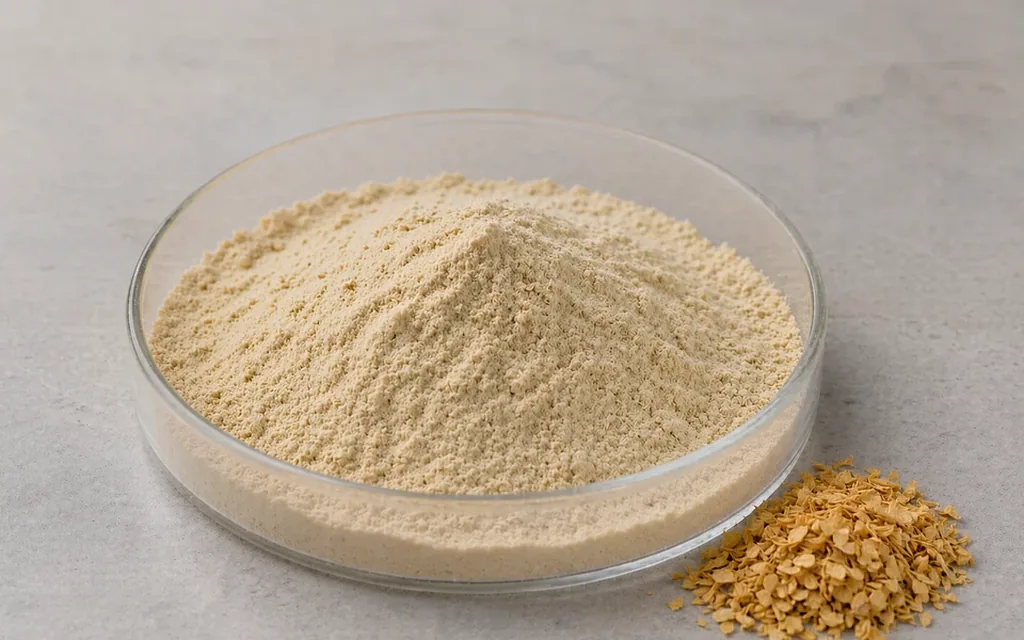
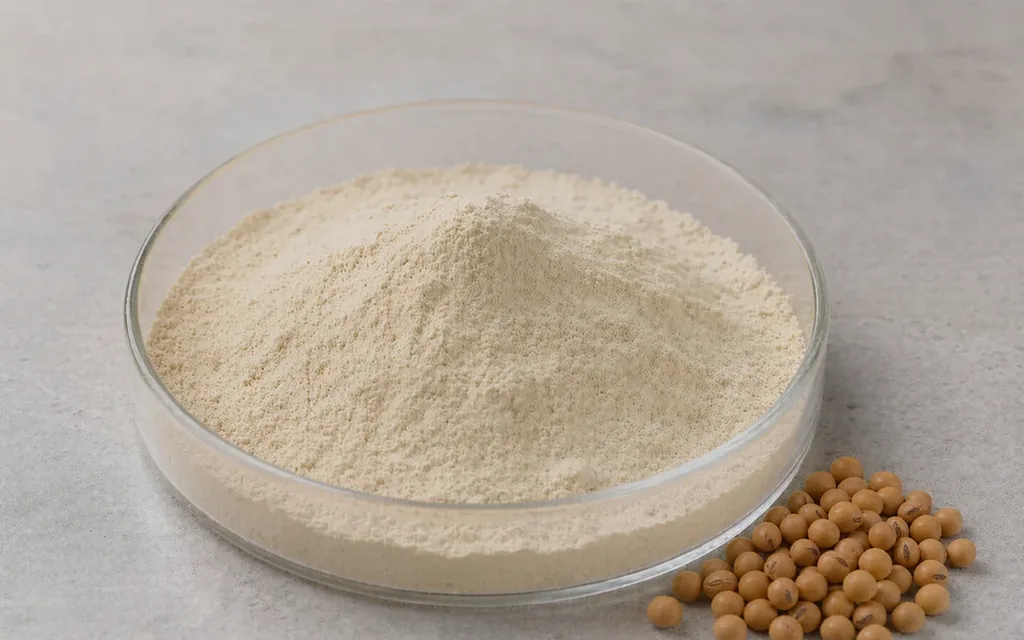
Hemp seed protein occupies a useful corner of the plant-protein market: roughly 50-60% protein built around edestin and albumin, a nutty taste that suits savoury and bakery work, and a regulatory file that needs more attention than the powder itself. We supply both a cold-pressed grade and a supercritical CO2-extracted grade, with the compliance paperwork packaged per shipment.
We supply hemp seed protein as a bulk ingredient for brands that want the story and the nutrition, and that need the THC and cultivation documentation to survive their own compliance review.
Product Specifications
| Item | Specification |
|---|---|
| Product Name | Hemp Seed Protein (Cannabis sativa L., seed) |
| Protein (dry basis) | 50% min (60% grade available) |
| Grades | Cold-pressed milled and supercritical CO2-extracted |
| Delta-9 THC | Below 0.3% dry weight; per-batch third-party COA supplied |
| Appearance | Green-beige to olive fine powder |
| Moisture | 8.0% max |
| Mesh | 80 mesh typical |
| Standard | Food grade, from approved low-THC cultivars |
| Packaging | 20 kg / 25 kg kraft bag with food-grade inner liner |
| Shelf Life | 18-24 months depending on grade (sealed, cool and dry storage) |
| MOQ | 25 kg for bulk; samples available on request |
Applications
- Protein shakes and smoothie powders – usually blended with pea or rice rather than used alone
- Bars, cereals and bakery – the pressed grade carries the nutty note consumers expect from hemp
- Savoury dressings, dips and snacks – the olive colour reads as natural rather than off
- Sports and active nutrition – where edestin digestibility is part of the formulation argument
Where hemp protein actually goes wrong
The powder rarely fails on nutrition. It fails on paperwork and on flavour drift. On paperwork: hemp foods sit under different regimes in the US, the EU and elsewhere, and buyers increasingly need a per-batch third-party THC certificate, cultivation documentation for the source crop, and clarity on novel-food status for the destination market. We provide the batch COA with every shipment and the cultivar documentation before contracts are signed, because a protein that cannot clear customs is not a protein at any price.
On flavour: the residual fat in cold-pressed hemp oxidises faster than most seed oils, which is why an old sample tastes aggressively grassy while a fresh one does not. If your product has a long shelf life or sits in clear packaging, the supercritical CO2 grade – fat stripped to a low single-digit percentage – holds a clean taste far longer. The colour deepens slightly with the pressed grade, which some brands want and others do not; both are available from the same sourcing channel.
Regulatory status by market
Hemp is the one product on this site where the United States is the only market that can be described without qualification. Elsewhere the regulation turns on the plant part and the THC content rather than on the protein, and those positions are not settled for food use, so they are not set out below. Nothing here should be read as covering leaf extracts or CBD, which are regulated separately from the seed.
United States — GRAS, seed-derived only
Frequently Asked Questions
Will hemp protein make my product test positive for THC?
No. Hemp seed protein is made from the seed, which contains only trace delta-9 THC, and our specification holds it below 0.3% dry weight with a third-party certificate for every batch. That said, finished-product testing and permissible limits differ by market, so we recommend confirming your destination-market rules before launch; we supply the documentation your compliance team will ask for.
What is the difference between cold-pressed and supercritical CO2 hemp protein?
Residual fat, and everything that follows from it. The pressed grade keeps 6-8% fat and the full nutty character, which suits bars and bakery. The CO2 grade strips fat to roughly 1-2% without solvents, giving a milder taste, a longer practical shelf life and better stability in beverages, at a higher cost per kilo.
Is hemp protein a complete protein?
It is close. The edestin and albumin fractions give a broad essential-amino-acid profile, but hemp is comparatively low in lysine and leucine, so most formulators blend it with pea or rice rather than relying on it alone. We are happy to share typical amino-acid data for the current lots.
Is it allergen-free and gluten-free?
Hemp seed is not among the major eight allergens. The protein itself contains no gluten; we verify the substrate and handling chain and can support a gluten-free claim with batch testing below 20 mg/kg.
How should hemp protein appear on the label?
As “hemp seed protein powder” in most markets. Because whole hemp foods still sit in the EU novel food catalogue and under specific US state rules, we recommend a labelling review for your target market; we can supply the regulatory reference documents we hold per lot to support that review.