Centella asiatica extract — sold across the supplement trade as gotu kola extract — comes from the whole herb of Centella asiatica (L.) Urb., a low creeping plant in the Apiaceae family that runs through damp grassland from India to southern China. The plant itself is unremarkable. What separates one commercial lot from the next is the assay underneath the label: which of the four triterpenes is being measured, on what basis, and at what percentage.
Four compounds carry the commercial weight. Asiaticoside and madecassoside are the glycosides, and they dominate the water-dispersible end of the range. Their aglycones, asiatic acid and madecassic acid, are lipophilic and belong to the oil-soluble end. Every grade in this series is a different balance between those two poles, which is why a 40% asiaticoside powder and a 40% total triterpene powder are not interchangeable even though both read as “40%” on a purchase order.
We supply the complete series from one extraction line: asiaticoside grades from 10% to 90%, triterpene-standardised grades from 10% to 80%, madecassoside grades from 10% to 90%, and TECA at the 36–44% asiaticoside / 54–66% genin ratio used in semi-solid and pharmaceutical work. All twenty-four specifications are listed on this page rather than split across separate products, because buyers rarely want one grade — they want to see the whole ladder before choosing.
Product Specifications
| Item | Specification |
|---|---|
| Product name | Centella asiatica extract (trade name: gotu kola extract) |
| Botanical source | Centella asiatica (L.) Urb., whole herb — leaf and stem |
| Plant family | Apiaceae (Umbelliferae) |
| Part used | Dried aerial parts, harvested before flowering |
| Assay | HPLC, expressed as asiaticoside or as total triterpenes — see the grade table below |
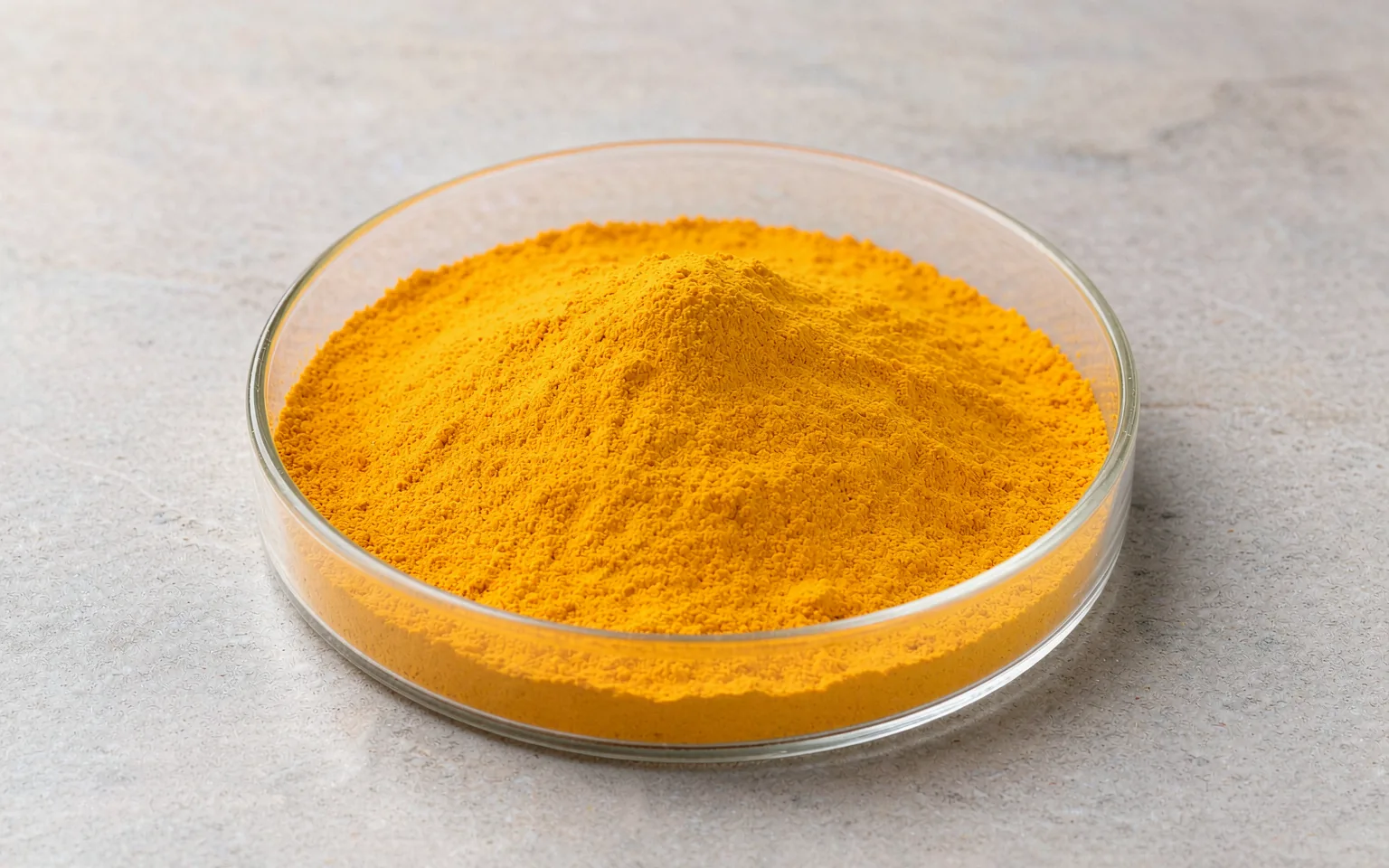
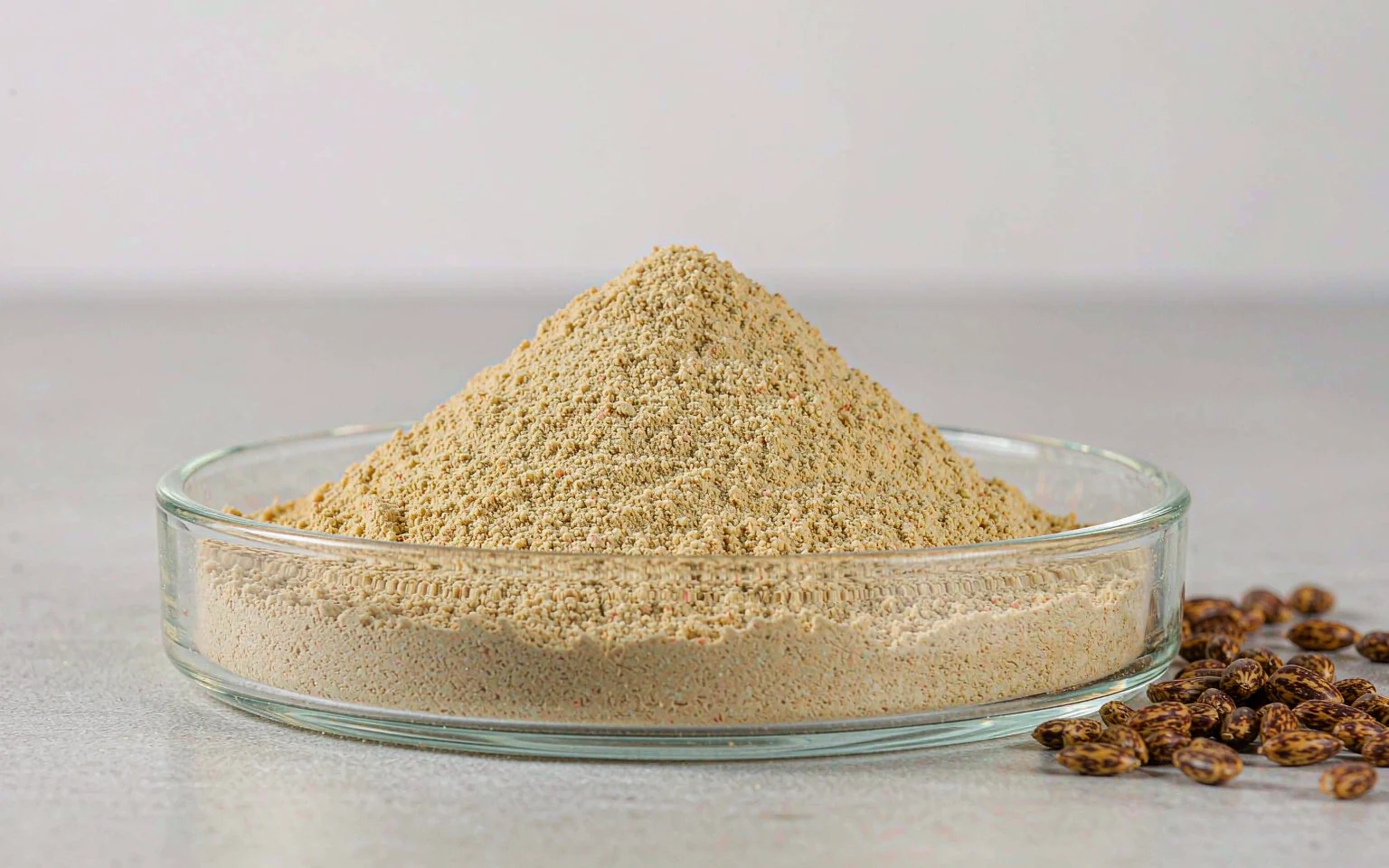
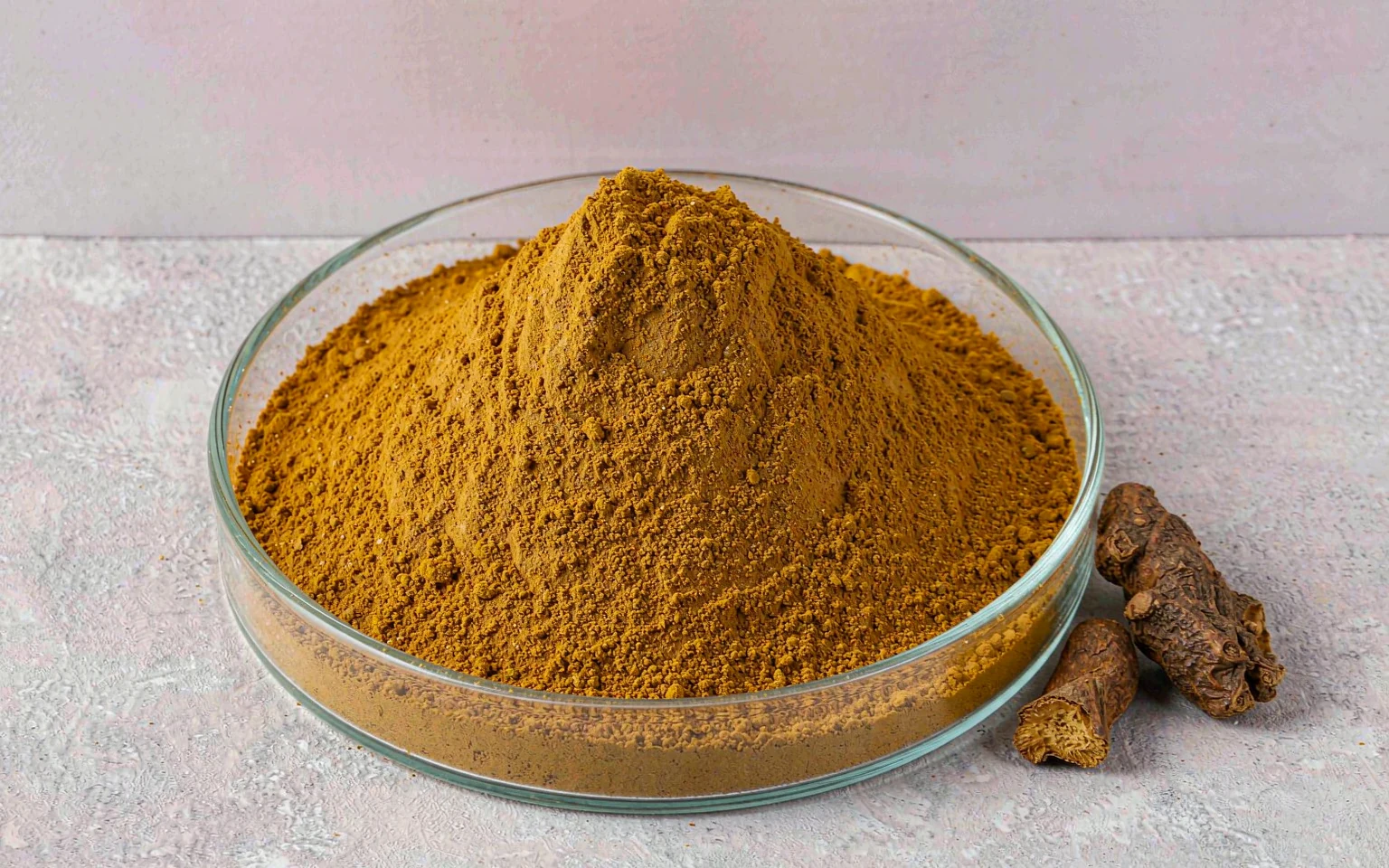
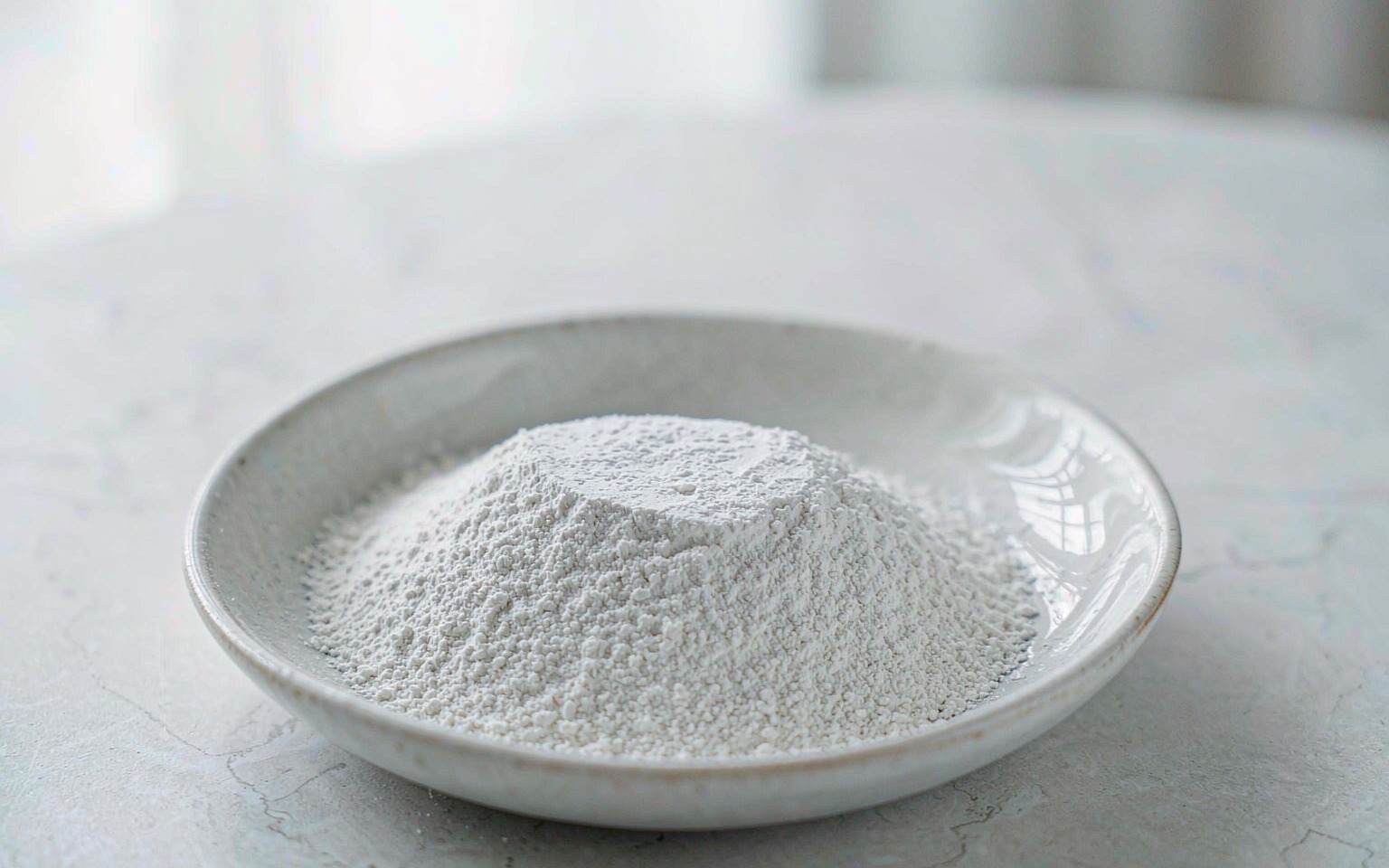
| Appearance | Clay-brown to white powder; colour tracks the assay, see the grade table |
| Solubility | Grade-dependent; water-dispersible at the low end, alcohol-soluble at the high end |
| Loss on drying | Available on request — declared per lot on the COA |
| Heavy metals | Available on request — tested per lot against the destination limit |
| Pesticide residues | Multi-residue screen available on request; limits set by destination market |
| Particle size | Milled powder; mesh size confirmed on request |
| Packaging | 25 kg net, fibre drum with double food-grade polyethylene liner |
| Storage | Cool, dry, protected from light; drum kept sealed in transit |
| Shelf life | 24 months in the unopened original packaging |
The Full Grade Ladder
The table below is the working specification for all twenty-four grades. Colour and solubility are not decoration: they are the fastest way to sanity-check a lot on arrival, and they track the assay more reliably than the percentage printed on the drum.
| No. | Grade | Assay (HPLC) | Colour | Solubility |
|---|---|---|---|---|
| 1 | Asiaticoside 10% | Asiaticoside 10% | Clay-brown powder | ≥90% soluble in water with slight sediment on standing; approx. 20–30% insoluble in ethanol |
| 2 | Asiaticoside 20% | Asiaticoside 20% | Clay-brown or light yellow powder | ≥90% soluble in water with slight sediment on standing; ≥90% soluble in alcohol when total glycosides exceed 70% |
| 3 | Asiaticoside 30% | Asiaticoside 30% | Light yellow powder | Partially soluble in water; fully soluble in alcohol |
| 4 | Asiaticoside 35% | Asiaticoside 35% | Light yellow powder | Mostly insoluble in water; fully soluble in alcohol |
| 5 | Asiaticoside 40% | Asiaticoside 40% | White or near-white powder | Mostly insoluble in water; fully soluble in alcohol |
| 6 | Asiaticoside 60% | Asiaticoside 60% | White or near-white powder | Mostly insoluble in water; fully soluble in alcohol |
| 7 | Asiaticoside 70% | Asiaticoside 70% | White or near-white powder | Mostly insoluble in water; fully soluble in alcohol |
| 8 | Asiaticoside 80% | Asiaticoside 80% | White powder | Mostly insoluble in water; fully soluble in alcohol |
| 9 | Asiaticoside 90% | Asiaticoside 90% | White powder | Mostly insoluble in water; fully soluble in alcohol |
| 10 | Gotu Kola P.E. 10% | Total triterpenes (as asiaticoside + madecassoside) 10% | Clay-brown powder | ≥90% soluble in water with slight sediment on standing; approx. 20–30% insoluble in ethanol |
| 11 | Gotu Kola P.E. 20% | Total triterpenes (as asiaticoside + madecassoside) 20% | Clay-brown powder | ≥90% soluble in water with slight sediment on standing; approx. 20–30% insoluble in ethanol |
| 12 | Gotu Kola P.E. 30% | Total triterpenes (as asiaticoside + madecassoside) 30% | Clay-brown powder | ≥90% soluble in water with slight sediment on standing; approx. 20–30% insoluble in ethanol |
| 13 | Gotu Kola P.E. 40% | Total triterpenes (as asiaticoside + madecassoside) 40% | Clay-brown powder | ≥90% soluble in water with slight sediment on standing; approx. 20–30% insoluble in ethanol |
| 14 | Gotu Kola P.E. 45% | Total triterpenes (as asiaticoside + madecassoside) 45% | Clay-brown powder | ≥90% soluble in water with slight sediment on standing; approx. 20–30% insoluble in ethanol |
| 15 | Gotu Kola P.E. 50% | Total triterpenes (as asiaticoside + madecassoside) 50% | Clay-brown or light yellow powder | ≥90% soluble in water with slight sediment on standing; approx. 20–30% insoluble in ethanol |
| 16 | Gotu Kola P.E. 60% | Total triterpenes (as asiaticoside + madecassoside) 60% | Light yellow powder | ≥90% soluble in water with slight sediment on standing; approx. 10% insoluble in ethanol |
| 17 | Gotu Kola P.E. 70% | Total triterpenes (as asiaticoside + madecassoside) 70% | Light yellow powder | Fully water-soluble grade available; ≥90% soluble in water with slight sediment on standing; approx. 5% insoluble in ethanol |
| 18 | Gotu Kola P.E. 80% | Total triterpenes (as asiaticoside + madecassoside) 80% | Near-white or light yellow powder | Fully water-soluble grade available; ≥90% soluble in water with slight sediment on standing; approx. 5% insoluble in ethanol |
| 19 | Madecassoside 10% | Madecassoside 10% | Clay-brown powder | ≥90% soluble in water with slight sediment on standing; approx. 20–30% insoluble in ethanol |
| 20 | Madecassoside 20% | Madecassoside 20% | Clay-brown powder | ≥90% soluble in water with slight sediment on standing; approx. 20–30% insoluble in ethanol |
| 21 | Madecassoside 60% | Madecassoside 60% | Light yellow powder | Mostly soluble in water and ethanol |
| 22 | Madecassoside 80% | Madecassoside 80% | White or near-white powder | Fully soluble in water and ethanol |
| 23 | Madecassoside 90% | Madecassoside 90% | White powder | Fully soluble in water and ethanol |
| 24 | TECA | Asiaticoside 36–44% with free genins 54–66% (madecassic acid + asiatic acid) | White to creamy powder | Fully soluble in ethanol; insoluble in water |
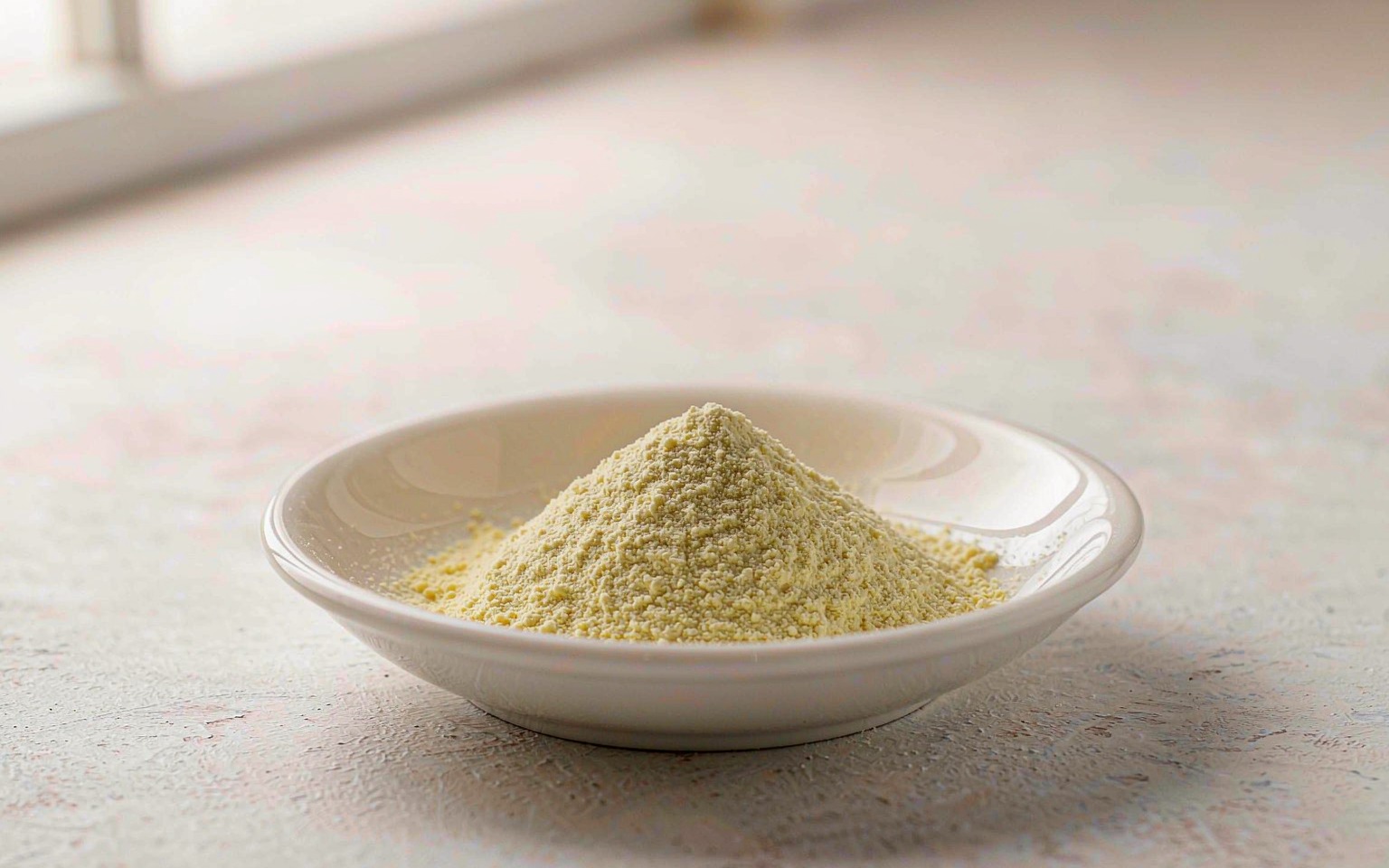
Two patterns in that table are worth pausing on. First, colour moves from clay-brown at 10% to white at 90%. A white “20% asiaticoside” is not a premium lot; it is either mislabelled or blended, because the pigments that come through with a low-assay herb extract cannot be removed without also raising the assay. Second, solubility runs the opposite way to intuition: the clean, high-assay powders are the ones that refuse to dissolve in water.
Why the Assay Basis Decides the Deal
Asiaticoside is not total triterpenes
Asiaticoside is one molecule. Total triterpenes is a family sum, usually reported as asiaticoside plus madecassoside, and sometimes extended to the two aglycones. A 40% triterpene grade can contain 25% asiaticoside and still be perfectly conforming. When a formulator specifies “40% centella” they usually mean the single-marker assay; when a procurement team buys on price alone they often receive the family sum. That single ambiguity accounts for most of the reformulation complaints we see in this category, and it is why our quotations always state the marker and the method.
Glycoside or aglycone decides the solvent
If your system is aqueous — a toner, a clear gel, a beverage — you want the low-assay or the fully water-soluble triterpene grades, and you should accept the sediment that comes with them or build in a filtration step. If your system is an emulsion, an anhydrous balm or an oil, the alcohol-soluble 60–90% grades and TECA are the practical choice. Trying to force a 90% asiaticoside powder into a clear aqueous serum is the most common formulation dead end in this ingredient, and no amount of surfactant fixes it cleanly.
Where 10:1 ratio extracts fit — and do not
A 10:1 gotu kola powder is a completely different article: it is a concentrated herb powder with no marker assay, sold on plant-to-product ratio. It suits capsule fillers and premix work where cost per kilo dominates. It is not a substitute for a standardised extract in a cosmetic claim or a clinical formulation, and the two should never appear as alternative line items in the same tender.
Applications
Leave-on skincare
The 10–40% asiaticoside grades and the 10–50% triterpene grades go into creams, essences and gels positioned around skin comfort, tone evenness and barrier care — the “cica” category that has driven most of the growth in this material. Typical use levels run low enough that colour contribution is negligible in a tinted or white base, but high-assay grades are usually chosen when the finished product has to stay visually clean.
Oral supplements
For capsules and tablets the triterpene-standardised grades are the mainstream choice, with the 10% and 20% versions carrying most of the volume. Standardised asiaticoside grades are used when a label claim needs to be defended analytically. Flow, particle size and the drum-to-drum colour consistency matter more here than in cosmetics, because consumers see the capsule contents.
TECA and semi-solid preparations
TECA is the grade that behaves like a pharmaceutical intermediate rather than a botanical powder: a defined split between glycoside and free genins, ethanol solubility, and a colour that stays white to cream. It is used in ointments, balms and emulsified systems where the formulator wants the aglycone fraction present at a fixed ratio rather than as a by-product of the assay.
Handling and Formulation Notes
- Dissolve before you thicken. Add the extract to the water phase before the gelling agent, and allow for the standing sediment at the low-assay end. Filtering a finished gel is far more expensive than filtering the phase.
- Watch the pH ceiling. Saponin glycosides are most stable in the mildly acidic to neutral range. Strongly alkaline systems accelerate hydrolysis of the sugar chain and cost you the assay you paid for.
- Keep the thermal budget short. Add after the emulsification cool-down where the process allows it, and avoid holding the material at elevated temperature for extended periods.
- Preserve the aqueous phase properly. A botanical water-dispersible powder is a nutrient source. Standard preservation is enough, but do not treat the extract as self-preserving.
- Expect colour shift at the low end. Clay-brown grades will tint a white emulsion at higher use levels, which is acceptable in a tinted product and not in a clear one.
- Store sealed and dry. The powder is hygroscopic once the drum is opened; reseal with the liner and keep it out of light.
Documentation and Quality Control
Each drum ships with a batch certificate of analysis covering assay by HPLC, appearance, loss on drying, heavy metals and the pesticide multi-residue screen. Where a destination market sets its own limits, the panel is run against that specification rather than a generic one, and the result is stated on the COA you receive. TDS, safety data sheet, allergen statement and the non-GMO declaration are issued with the quotation. Certificate of origin and phytosanitary documentation are prepared for the destination port on request. The wider botanical extracts range is listed by marker rather than by plant name, so you can compare assays across species.
Regulatory Position by Market
United States
Sold as a dietary supplement ingredient under DSHEA, and used in cosmetic formulations without a colour additive listing, since the material is not added for colour. No pre-market approval applies to the extract as an ingredient; the finished product’s claims and labelling are the regulated surface.
European Union
Accepted as a cosmetic ingredient, and as a food supplement ingredient on the basis of pre-1997 use rather than a novel food authorisation. Member states retain their own rules on which botanicals may be sold as food supplements, so the notification route for the finished product should be checked per market rather than assumed from an EU-wide position.
China
Centella asiatica is a monograph herb in the Chinese Pharmacopoeia, and the extract appears in the inventory of cosmetic ingredients already in use, which is the practical gate for a cosmetic launched in the domestic market. Food use follows a separate pathway and should be confirmed with the importer before the label is designed.
Frequently Asked Questions
Is a 40% extract the same whether the assay says asiaticoside or total triterpenes?
No, and the gap is large. Asiaticoside 40% means a single named saponin is measured at 40% by HPLC. Total triterpenes 40% means the combined sum of asiaticoside and madecassoside reaches 40%, so the asiaticoside share of that lot may sit well below 40%. The two grades behave differently in formula and are priced differently, which is why every quotation we issue names the assay basis explicitly rather than only the percentage.
Which grade actually dissolves in water?
The low-assay end. Asiaticoside 10% and 20%, and the triterpene grades up to about 50%, disperse in water at 90% or better with a slight sediment after standing. From 30% upward the material turns alcohol-soluble and only partly water-soluble, which is counter-intuitive if you assume higher purity dissolves more easily. For a clear aqueous serum at high assay, ask for the fully water-soluble variant of the 70% and 80% triterpene grades, which we hold as a separate option.
Do you supply TECA at the pharmaceutical ratio?
Yes. Our TECA grade carries asiaticoside at 36–44% with free genins, madecassic acid and asiatic acid together, at 54–66%. It is fully soluble in ethanol and insoluble in water, so it belongs in anhydrous or emulsified systems rather than in aqueous gels.
Is gotu kola extract the same product as centella asiatica extract?
They are the same plant and the same extract. Gotu kola is the common name used in the supplement trade; centella asiatica is the botanical and INCI name used in cosmetics. A quotation naming either one refers to extract of Centella asiatica (L.) Urb., and the specification, not the label, is what defines the material.
Can you provide pesticide residue and heavy metal data before we order?
Yes. Herbal raw material is where pesticide risk actually sits, so a multi-residue screen and a heavy metal panel are run per lot, and both appear on the batch COA. If your market sets its own limits, send the specification and we will confirm against it before the lot is allocated.
What is the minimum order and lead time?
Minimum order and lead time depend on the grade, because the high-assay and TECA lines are produced in smaller batches than the 10–40% grades. Send the grade, the quantity and the destination port and we will quote against current stock rather than a catalogue figure.
Send the grade, the quantity and the destination port, and we will reply with a specification sheet, a current COA and a quotation against stock — rather than a catalogue price that does not survive contact with the assay table.