
Yeast protein is not on the United States Big 9, the EU and UK 14-item list, the Canadian, Japanese or Chinese mandatory lists. That single fact is usually where the conversation stops — and it is where most yeast protein allergen labelling work goes wrong, because the claim is only half the job. The useful question is not whether the ingredient must be declared, but what the supplier should hand you so that your finished label stands up to review — and what the gaps are that an auditor will find first.
This guide works through the actual mechanics: how the regulatory lists are structured and why yeast sits outside them, the two phrases you should insist on instead of the word "allergen-free", the shared-equipment question that no regulatory list answers for you, and the documentation set that turns a label claim into something defensible at order stage.
The United States works from a statutory list. FALCPA named eight major allergens in 2004 — milk, eggs, fish, Crustacean shellfish, tree nuts, peanuts, wheat and soybeans — and the FASTER Act added sesame as the ninth with effect from 1 January 2023. The operative test is whether an ingredient contains protein from one of those sources. Yeast protein derives from Saccharomyces cerevisiae, a fermentation organism, not from any of the nine sources, so it carries no FALCPA declaration obligation on its own.
The EU and UK work from a fourteen-item list — the same framework covered in the regulatory status guide in Annex II of Regulation 1169/2011: cereals containing gluten, crustaceans, eggs, fish, peanuts, soybeans, milk, nuts, celery, mustard, sesame, sulphur dioxide and sulphites above 10 mg/kg, lupin, and molluscs. Yeast is absent here too. But the EU adds a discipline the US list does not: where an allergen is present, it must be emphasised in the ingredient list — bold, italic or underline — so the reader can see it at a glance. That emphasis requirement is not a reason to add yeast; it is a reminder that the label job is never finished by omission alone.
The word to avoid is "allergen-free". It is an absolute claim — it asserts that no allergen is present, which also means no cross-contact, which no supplier can honestly warrant from a specification sheet. The claim that survives an audit is narrower and entirely defensible: yeast protein is not a listed allergen under the US, EU or UK mandatory allergen lists. That is a statement about the regulatory lists, not a promise about the production floor, and it is the phrasing a quality team can sign.
Two disciplines follow from that distinction. First, say which list you are referencing, because the lists differ: the US has nine, the EU and UK fourteen, Canada its own set, Japan and China their own. "Not a listed allergen" is meaningless without the jurisdiction. Second, separate the ingredient-level statement from the facility-level statement. The first is about Saccharomyces cerevisiae protein. The second is about your shared-equipment risk, and it is a different sentence with a different owner.
This is where most labels are actually decided, and no regulatory list will settle it for you. Yeast protein may be manufactured on a line that also runs milk, soy or wheat, and in that case the allergen risk moves from the ingredient to the facility — what an auditor asks for on a soy-free claim is a different document set from the ingredient statement. The declaration is then driven not by what yeast protein is, but by what it may have touched.
Two things should happen. The supplier should state, in writing and for the specific grade you are buying, whether the product is made on dedicated or shared equipment and, if shared, which allergens are handled on the line. And the buyer should decide whether that residual risk warrants a precautionary statement — "may contain milk" or "made in a facility that also processes soy" — on the finished label. Both the US FDA and the EU treat precautionary statements as voluntary; both also say they must reflect a genuine, assessed risk rather than a blanket disclaimer. A precautionary statement that is not backed by a real cross-contact assessment is, in both regimes, the mark of a label that has not actually been thought through.
The practical ask, then, is not "is it allergen-free" but "is it produced on a dedicated line, and can you put that in the specification". The answer changes the label, and it changes it differently in every market.
A defensible label is assembled from documents, not from adjectives. The set below is what turns "not a listed allergen" from a claim into a file that survives a regulatory or retailer review. Request each one and check the specific grade, not the category:
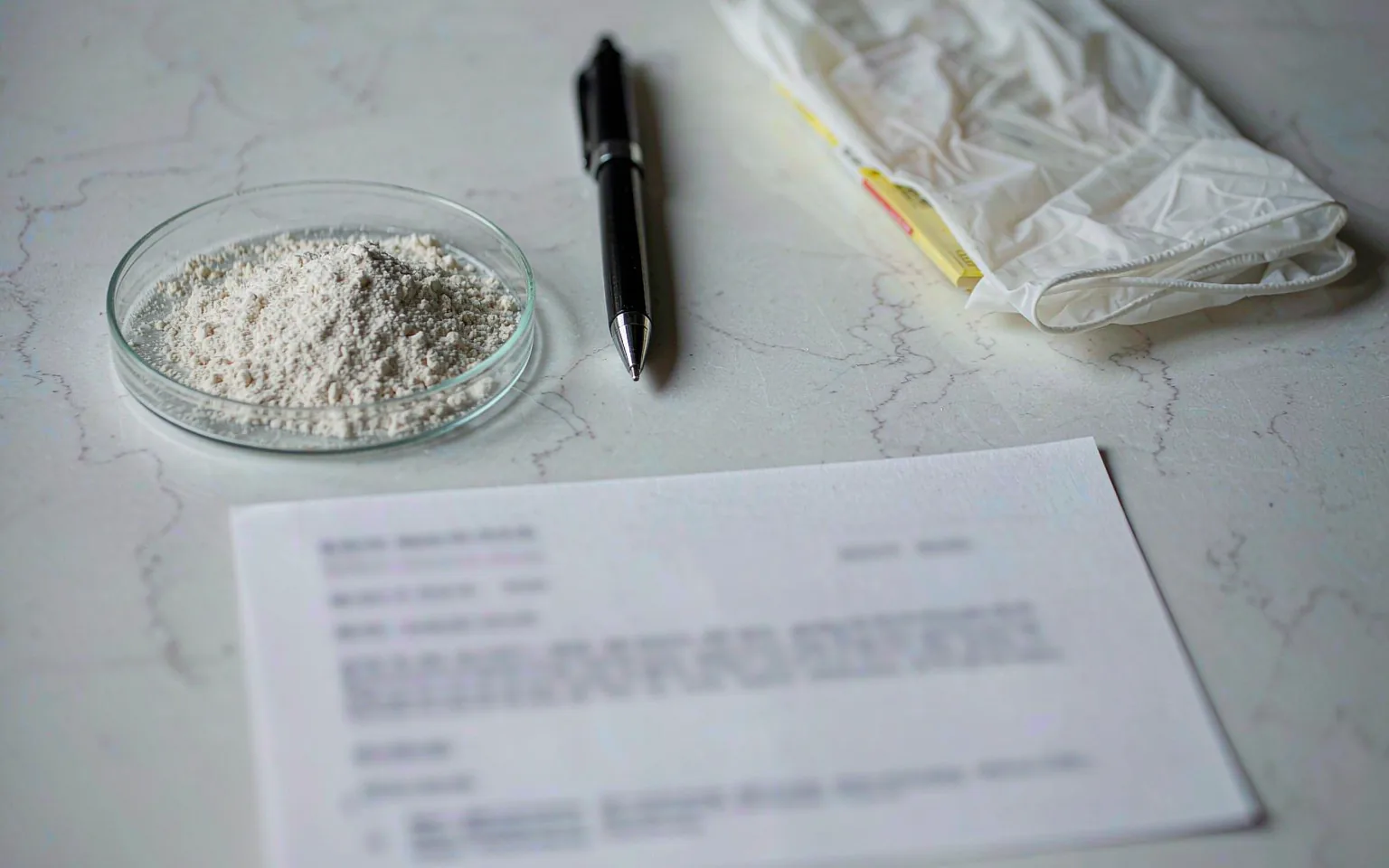
One grade, specified properly, is easier to defend than a catalogue. Green Spring manufactures a single 80% yeast protein grade on a dry basis, so the allergen and labelling statement we issue describes that one product — a Saccharomyces cerevisiae fermentation protein outside the US, EU and UK mandatory lists — rather than a family of variants with shifting positions.
Three mistakes show up repeatedly on real labels, and they are all avoidable once you know to look.
The first is treating the ingredient claim as a facility claim. "Yeast protein is not a listed allergen" is true and useful; extending it to "this product contains no allergens" the moment the line is shared is how a label becomes misleading. The second is the blanket precautionary statement. Writing "may contain milk, soy, wheat, nuts" as a catch-all when the line only handles one of them is not caution, it is an admission that no assessment was done — and it quietly excludes every consumer who could otherwise buy the product. The third is quoting the wrong list. A US Big 9 statement does not travel unchanged into an EU label that must account for fourteen items including celery, mustard and lupin.
The fix for all three is the same discipline: state the jurisdiction, state the ingredient position, and state the facility position separately — then back each with a document.
For a finished product where yeast protein is the sole protein source and the line is dedicated, the label typically needs no allergen declaration at all, because nothing from the nine or fourteen sources is present. Where the line is shared, the label adds the appropriate precautionary statement and nothing more. In the EU and UK, if any listed allergen is present through another ingredient, it must be emphasised in the ingredient list — a formatting rule that has nothing to do with yeast itself but that the finished label must still satisfy.
Before you file, assemble the four documents above and confirm the grade-specific position with your supplier. The allergen conversation is the cheapest one to get right and the most expensive to get wrong, because an undeclared allergen is the leading cause of serious food recalls in the US and the fastest route to a withdrawal in the EU. It is also, for yeast protein, the place where the ingredient's structural advantage is genuinely real — see the yeast protein buyer's guide for the full comparison — provided the paperwork is there to prove it.
 Yeast ProteinThe 80% Saccharomyces cerevisiae fermentation protein this guide describes, supplied with a grade-specific allergen statement.Read More »
 Pea Protein IsolateThe blending partner whose allergen position you compare against when yeast protein carries the label.Read More »
 Soy Protein IsolateThe declared-allergen benchmark that shows how much a non-listed protein changes the label.Read More »
No. Yeast protein derives from Saccharomyces cerevisiae, a fermentation organism, and is not on the United States Big 9, the EU or UK 14-item list, or the Canadian, Japanese and Chinese mandatory lists. The claim should be phrased as a statement about the regulatory lists rather than as allergen-free, which is a stronger assertion that also covers the facility.
Avoid the word allergen-free. It is an absolute claim that also promises no cross-contact, which no supplier can warrant from a specification sheet. The phrasing that survives review is that yeast protein is not a listed allergen under the US, EU or UK mandatory lists, with the jurisdiction named, and a separate statement covering the shared-equipment position.
Yes, and no list answers this for you. If the product is made on a line that also runs milk, soy or wheat, the risk moves from the ingredient to the facility. The supplier should state in writing whether the grade is made on dedicated or shared equipment and which allergens are handled on the line, and you decide whether that warrants a precautionary statement such as may contain milk.
Only if it reflects a genuine, assessed cross-contact risk. Both the US FDA and the EU treat precautionary statements as voluntary and expect them to be backed by a real risk assessment rather than used as a blanket disclaimer. A catch-all may contain list that names allergens not actually handled on the line is a sign no assessment was done.
Four, each for the specific grade: a dated allergen statement naming the jurisdiction and the shared-equipment position, a per-batch certificate of analysis, a process description confirming nothing from the nine or fourteen sources enters the process, and a written cross-contact assessment where shared equipment is in play.