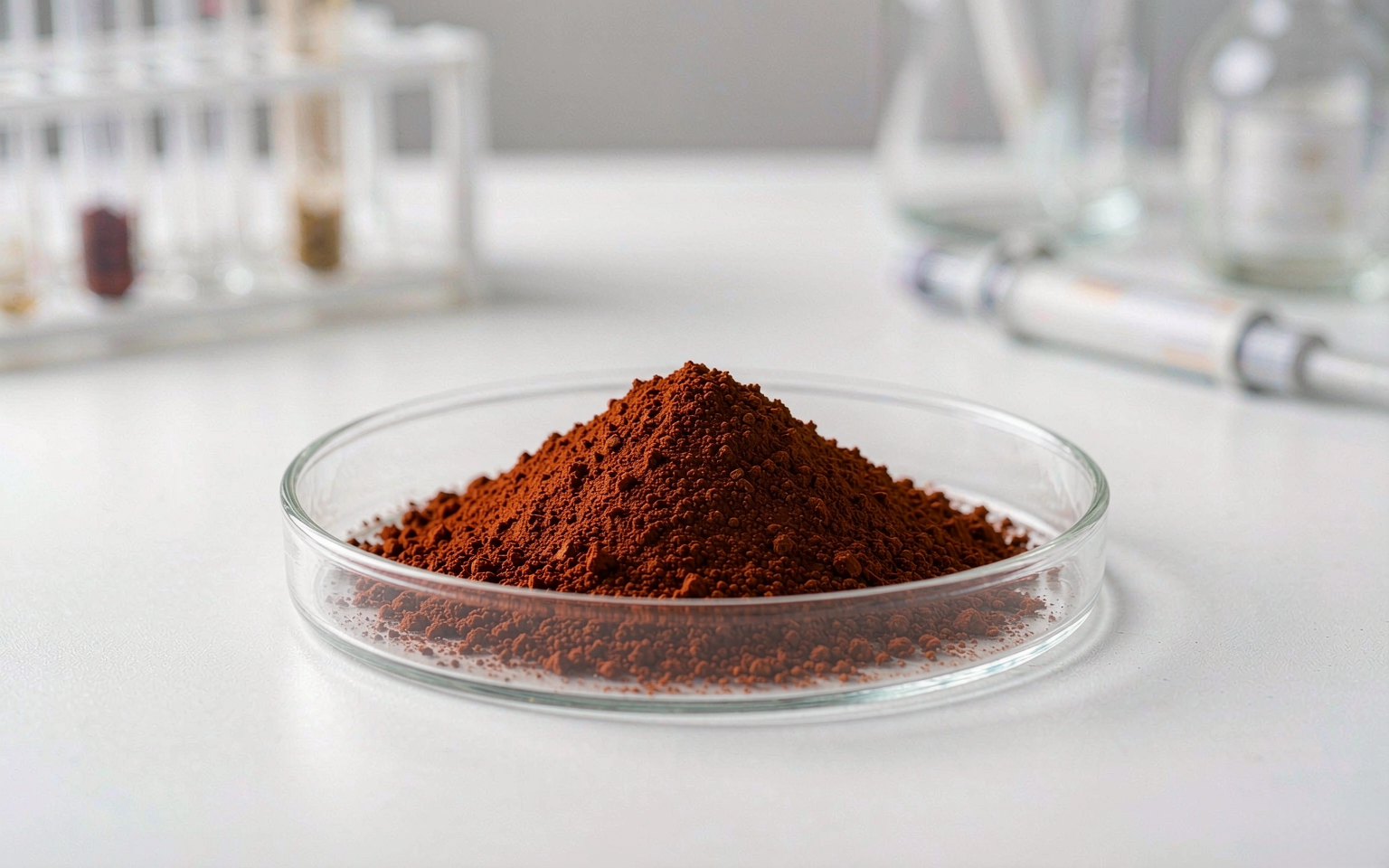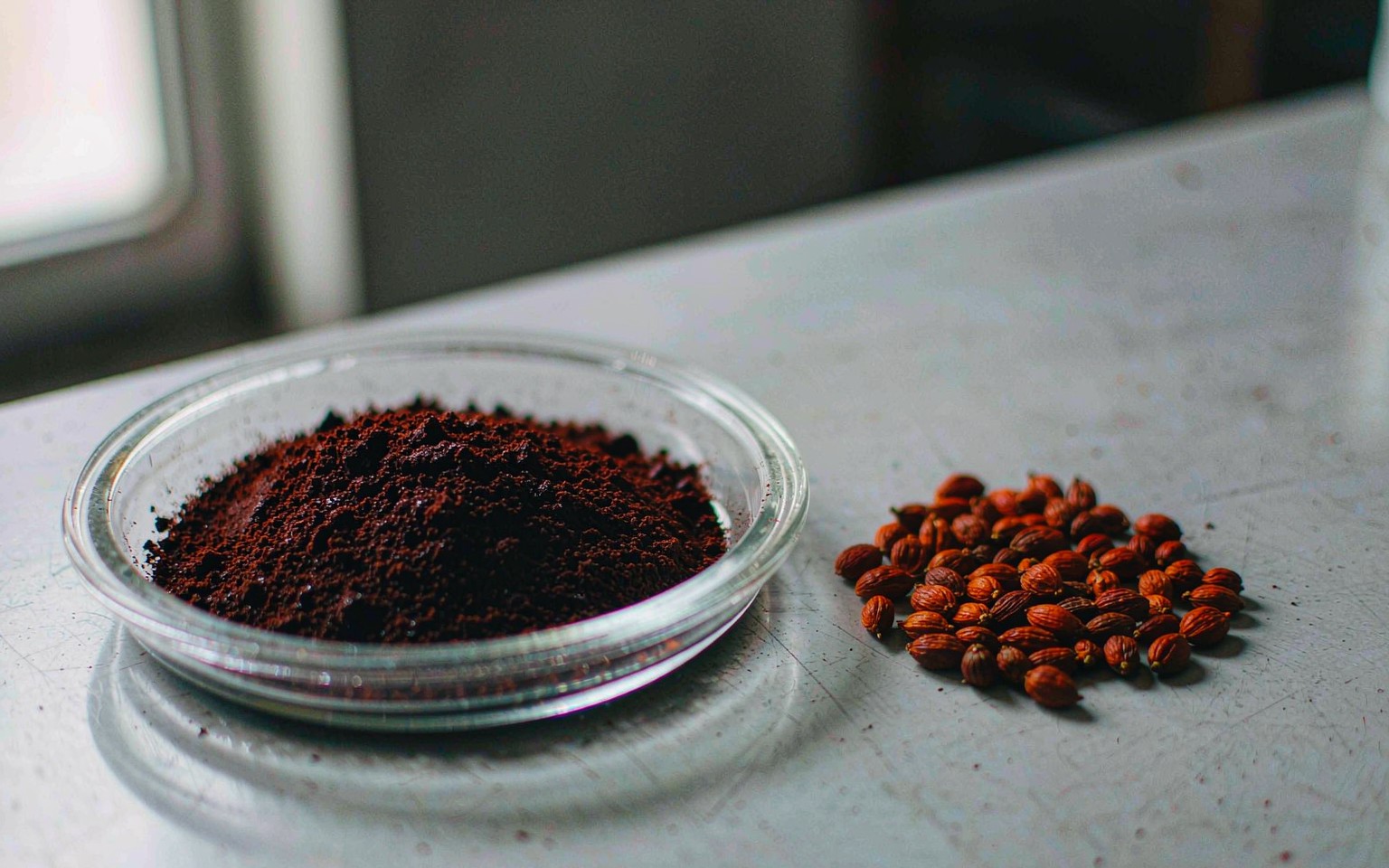

In the global beverage market, “Blue” has evolved from a novelty to a high-growth category, driven by the rise of functional energy drinks, relaxation teas, and premium craft sodas. However, the liquid matrix is a hostile environment for most natural pigments. While Spirulina dominates the food sector, its protein-bound nature causes it to precipitate and lose color in low-pH or high-heat liquid systems. Gardenia Blue solves these industrial bottlenecks, offering a robust, water-soluble solution that remains visually consistent from the blending tank to the final consumer’s glass.
For a beverage formulator, clarity is a non-negotiable quality indicator. Gardenia Blue’s unique molecular structure allows for instantaneous and total solubility in aqueous systems.
Optical Transparency: Unlike oil-dispersible colors or suspension-based pigments, Gardenia Blue creates a crystal-clear solution that does not scatter light. This is critical for premium sparkling waters and functional tonics where any “cloudiness” is perceived as a quality defect.
Mixing Protocol: In large-scale production, it is recommended to add Gardenia Blue early in the blending process. Because of its high tinting strength, even a concentration of 0.01% – 0.03% can achieve a vibrant sky-blue hue. It does not require high-shear mixing, minimizing the entrapment of oxygen, which is vital for maintaining the shelf-life of other sensitive ingredients like vitamins.
The majority of successful beverages—ranging from isotonic sports drinks to lemon-lime sodas—operate at an acidic pH (typically between pH 2.8 and 4.2).
Butterfly Pea vs. Gardenia: Most botanical blues (anthocyanins) are highly sensitive to acidity, shifting to purple or red as the pH drops.
Consistency in Acidic Matrices: Gardenia Blue is a rare, pH-independent pigment. Whether the beverage is a neutral-pH plant milk (pH 7.0) or a highly acidic energy drink (pH 3.0), the blue hue remains locked. This reliability allows for standardized visual identity across entire product lines, regardless of the flavor profile or acidulant used (Citric, Malic, or Phosphoric acid).
Microbiological stability in beverages often requires rigorous thermal processing.
HTST and UHT Performance: During Ultra-High Temperature (UHT) sterilization or Hot-Fill operations (typically 85°C–95°C), protein-based blues like Spirulina undergo “denaturation,” resulting in greyish tones or flocculation.
Thermal Endurance: Gardenia Blue maintains its integrity through these processes. Our internal testing shows a color retention rate exceeding 96% after standard pasteurization cycles, making it the only viable natural blue for shelf-stable, RTD (Ready-to-Drink) beverages.
Modern beverages are complex chemical systems. Gardenia Blue must coexist with active ingredients:
Vitamin C (Ascorbic Acid): High dosages of Vitamin C can act as a bleaching agent for many natural colors. In fortified “Immunity Drinks,” we recommend using Gardenia Blue in conjunction with natural chelating agents to protect the color molecules from oxidative stress.
Mineral Waters & Electrolytes: In sports drinks with high calcium or magnesium content, Gardenia Blue remains stable without the “salting-out” effect common in other botanical extracts.
Alcohol Stability: For the burgeoning “Hard Seltzer” and RTD cocktail market, Gardenia Blue remains soluble and vibrant in ethanol concentrations up to 20%, offering a clean-label alternative to synthetic Blue 1 in alcoholic bases.
Beverages in clear PET bottles are subject to intense UV and LED exposure on supermarket shelves. Gardenia Blue’s polymerized structure provides a superior defense against photo-oxidation compared to other botanical sources. While we still recommend UV-inhibitors in the PET preforms for ultra-long shelf life (12+ months), Gardenia Blue offers the highest baseline light stability for transparent packaging.
 Gardenia BlueUHT-stable at 135-140 C for shelf-stable drinks, holding its shade across pH 4-8.Read More »
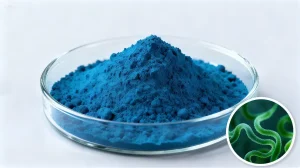 Spirulina ExtractBest suited to low-acid beverage systems where a bright cyan tone is the target.Read More »
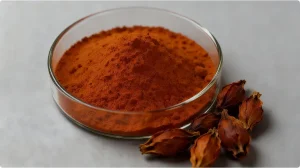 Gardenia YellowBlends with gardenia blue to build green shades in clear and cloudy drinks alike.Read More »
Yes. Gardenia blue withstands UHT treatment at 135-140 C for a few seconds with only slight loss, which makes it practical for shelf-stable drinks.
It stays stable from pH 4 to 8. Below pH 4 the tone shifts toward violet, so acidic juice systems need a higher dose or a blend.
Most drinks use 0.01-0.05% of the finished beverage. Start low for light shades and confirm the shade after any heat treatment.
Under 21 CFR 73.168 the permitted drinks are sport drinks, flavoured or enhanced non-carbonated water, fruit drinks and ades, and ready-to-drink teas. Carbonated soft drinks are not on the list, and neither are foods with a standard of identity unless that standard authorises added colour. Outside the United States the permitted categories differ again.