
A colour that fades over shelf life is usually described as a quality problem, and the conversation that follows tends to be unproductive. The supplier says the pigment is unstable. The formulator says the process was fine. The brand says the sample looked right. All three are usually correct, and that is the difficulty: fading is not one failure but several chemical pathways running at once, often reinforcing each other. Knowing which one is doing the damage is the difference between fixing the product and reformulating it three times.
This article sets out the five mechanisms that account for most natural colour loss in food and beverage applications, what each one attacks, how to test for it, and what can realistically be done about it. The aim is diagnostic rather than exhaustive — a way to narrow down which mechanism is responsible before spending money on a solution.
Anthocyanins — the pigments in black carrot, red cabbage, blackcurrant and butterfly pea — change structure with acidity, and each structure has a different colour. In strongly acidic conditions the pigment sits in its red flavylium form. As pH rises it converts through a colourless pseudo-base and then into blue and purple quinoidal forms. The transition is not a gentle tint; it is a change of dominant species, and it happens across a narrower range than most people expect.
This is why the same concentrate reads red in a pH 3.2 beverage and purple in a pH 4.5 dairy drink at the same dose. It is also why a product can fade without anything degrading: if the pH drifts upward during storage — through ingredient interaction, microbial activity, or simply an unstable buffer — the colour changes without any pigment being destroyed.
Testing. Prepare the base at the intended pH and at two points either side, dose at a fixed rate, and read the colour. Then repeat after accelerated storage. If the colour moves but the total pigment (measured spectroscopically) does not fall, the problem is pH drift rather than degradation.
What helps. Buffering the system properly, choosing a pigment whose working range covers the product's actual pH rather than its target pH, or blending with a pigment that holds red further up the scale. Raising the dose does not help — it makes the wrong colour stronger.
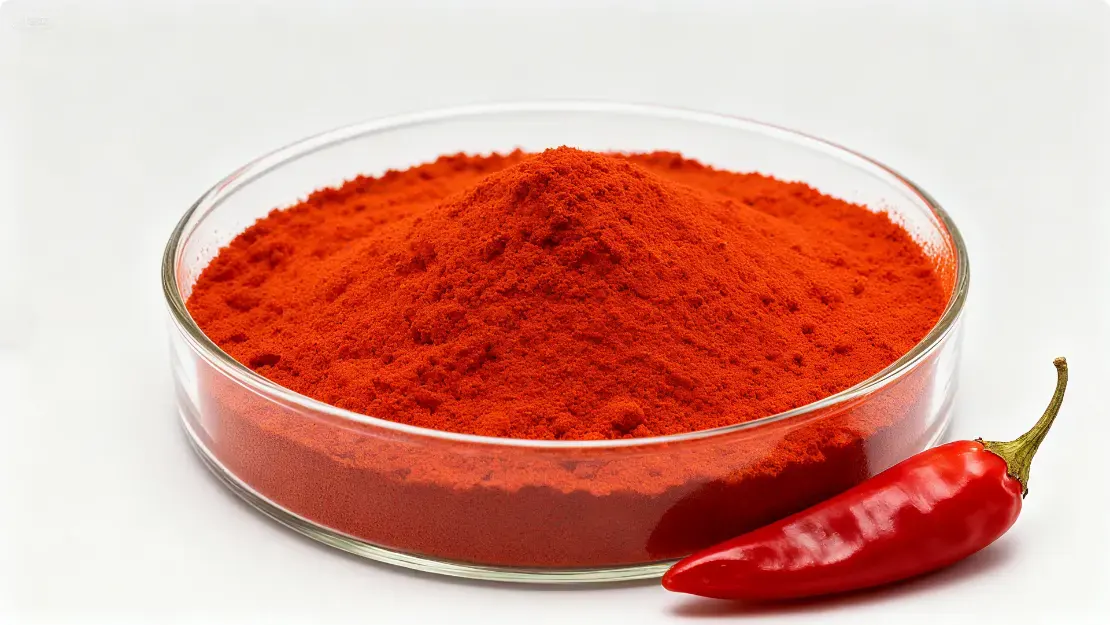
Oxygen reacts with pigments, and the reaction is accelerated by light, heat, trace metals and enzymes. Carotenoids — paprika, pumpkin, beta carotene — are particularly exposed because their long conjugated chain is what produces the colour and what oxygen attacks first. Anthocyanins are also susceptible, though the pathway differs.
In practice the oxygen comes from three places: dissolved oxygen in the mix, headspace oxygen in the pack, and oxygen diffusing through the packaging over shelf life. A product can be perfectly formulated and still lose colour in a permeable pack over six months.
Testing. Split a batch, deaerate one half, and store both under the same conditions. If the deaerated sample holds colour materially better, oxidation is a live mechanism in your system and worth designing against.
What helps. Deaeration before filling, nitrogen flushing, reducing headspace, choosing a packaging film with a proper oxygen barrier, and where permitted, an antioxidant system. Note that ascorbic acid can protect carotenoids while accelerating anthocyanin loss — the two mechanisms do not respond to the same intervention.
Ultraviolet and short-wavelength visible light break the chemical bonds that create colour. The damage is cumulative and dose-dependent: a product on a brightly lit retail shelf accumulates far more exposure than the same product in a stockroom, and clear packaging removes the only protection the product had.
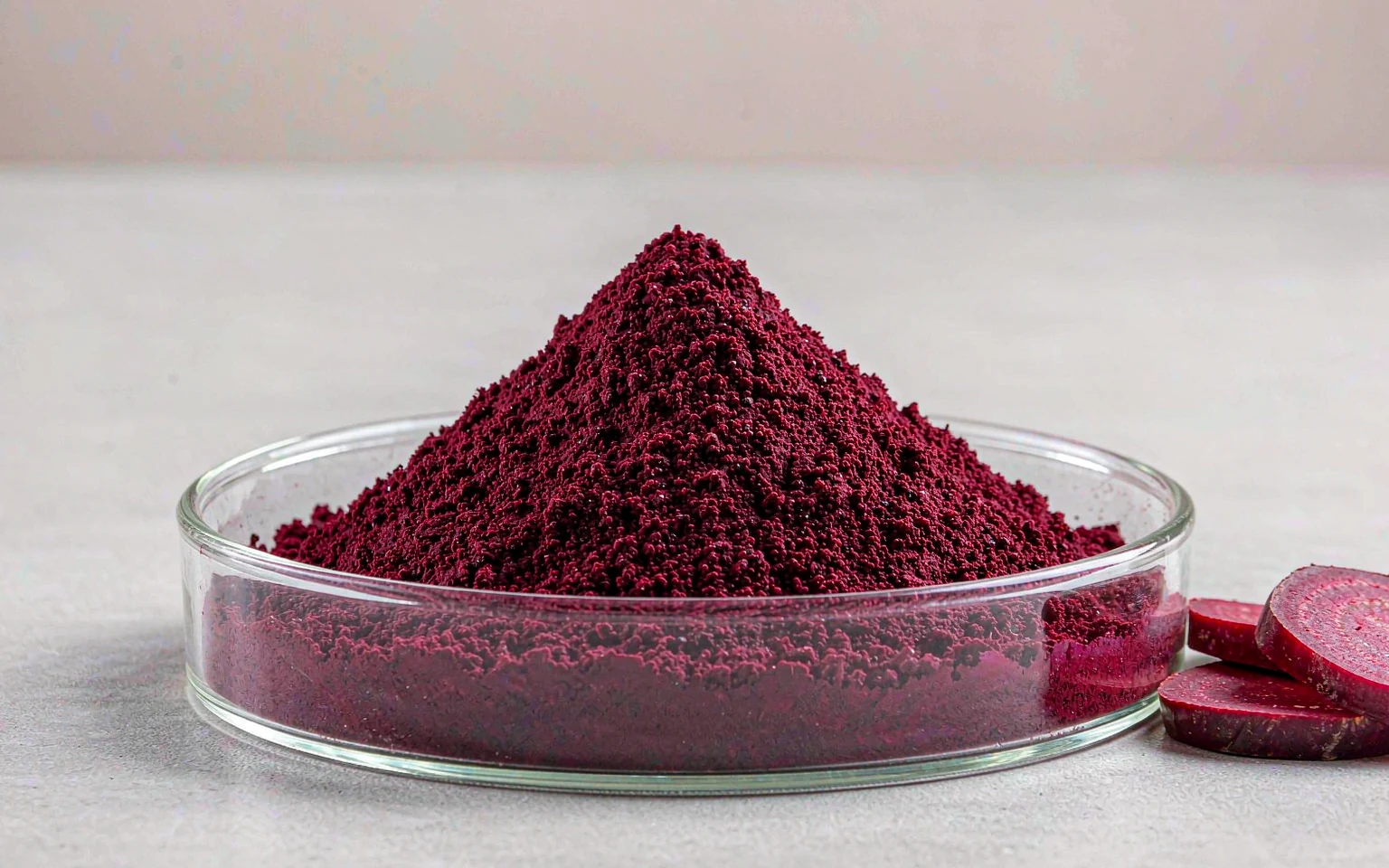
Betanin — beetroot red — is notably light-sensitive, and so are many anthocyanins. Curcumin is famously unstable in light. Carotenoids are somewhat more robust but still degrade, and the loss typically shows first at the surface facing the light, which is exactly the surface the consumer sees.
Testing. A light cabinet with controlled intensity and temperature, run over a defined period, with samples in the actual pack. Testing in glass beakers tells you about the pigment; testing in the pack tells you about the product.
What helps. Opaque or amber packaging, a carton that keeps the product off the shelf under direct light, UV-blocking film, and a shelf life that reflects the exposure the product will actually see. Where the pack must be clear and the shelf life must be long, this is usually the point at which a different pigment is the honest answer.
Thermal degradation is a function of time and temperature together, not temperature alone. A short exposure at a high temperature can do less damage than a long hold at a moderate one — which is why UHT can be gentler on colour than a traditional pasteurisation, despite reaching a much higher peak.
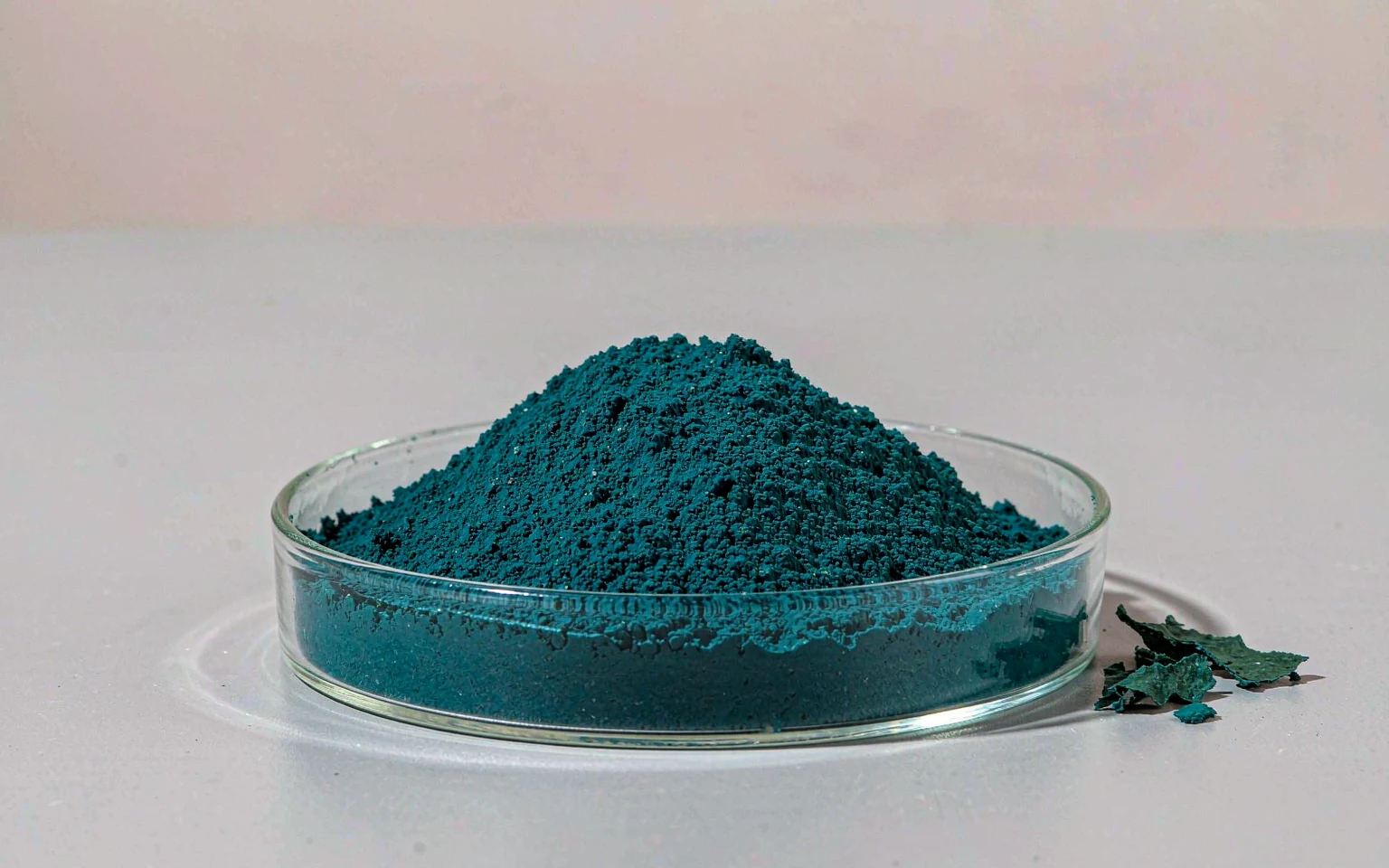
Betanin is the most heat-sensitive pigment in this range, and it degrades in a way that is visible as a shift toward brown as well as a loss of intensity. Phycocyanin from spirulina is similarly heat-labile and is normally added after the heat step wherever the process allows. Anthocyanins sit in the middle: they survive pasteurisation but not prolonged cooking.
Testing. Measure colour before and after the actual process step, at production scale rather than in a lab simulation where possible. The shape of the loss curve matters more than a single retention figure, because it tells you whether shortening the hold time is worth pursuing.
What helps. Moving the colour addition later in the process, shortening hold time at temperature, reducing the thermal load by reformulating, or accepting a measured loss and dosing above it. The last option is legitimate but should be a decision, not an accident.
Trace metals — iron and copper in particular — catalyse the oxidation of anthocyanins and accelerate colour loss dramatically at concentrations far below anything that would affect taste. The metal can come from ingredients, from water, from processing equipment, or from the packaging itself.
This mechanism is often missed because it is invisible in a specification. A product moves from a pilot line to a production line, the colour fails, and nothing in the formulation changed — but the equipment did.
Testing. Spiking trials at low metal concentrations will show whether the pigment is sensitive in your matrix. Comparing pilot and production runs, and checking the metal contact surfaces in the process, is often more revealing than a lab test.
What helps. Sequestering agents such as citric acid or EDTA where permitted, avoiding iron and copper contact surfaces, and specifying the water quality. Where the pigment is highly metal-sensitive and the process cannot be changed, this again points toward a different pigment rather than a process fix.
The table below is indicative rather than absolute — sensitivity depends on the matrix, the concentration and the process, and any real assessment has to be made in the product itself. It is meant to tell you where to look first.
| Pigment | pH shift | Oxidation | Light | Heat | Metal ions |
|---|---|---|---|---|---|
| Anthocyanin (black carrot) | High | Medium | Medium–high | Medium | High |
| Betanin (beetroot) | Low (stable pH 3–7) | Medium–high | Medium–high | High | Low |
| Phycocyanin (spirulina) | High (narrow window) | High | Medium | High | Medium |
| Carthamin (safflower) | Low | Medium | Medium | Low–medium | Low |
| Capsanthin (paprika) | Low | High | Medium–high | Medium | Low |
| Carotenoid (pumpkin) | Low | High | High | Medium | Low |
Once you know which mechanism is dominant, the decision usually becomes clearer. Three cases are worth separating.
The process is the problem. If heat is destroying the colour and the mechanism is confirmed, moving the addition point or shortening the hold time is usually cheaper and faster than reformulating. The same applies to oxygen: deaeration is a process change with a measurable return.
The matrix is the problem. If pH drift or metal catalysis is responsible, the fix is in the formulation — buffering, sequestering, changing water or contact surfaces. Switching pigments to compensate for a fixable matrix usually creates a new set of problems.
The pigment is the problem. Some combinations simply do not work: a betanin-based colour in a retorted product, or a phycocyanin in a pH 3 beverage, will not be rescued by any amount of process optimisation. Recognising this early saves months. The pigment is not defective; it is being asked to do something outside its chemistry.
The useful discipline is to test one variable at a time and to measure the pigment content rather than only the visible colour. A product that looks faded may have lost pigment, or may have shifted hue at constant pigment — and the two point to completely different solutions.
We supply six colour materials, each with a different sensitivity profile, and the technical pages set out the specific constraint that matters most for each. The Colouring Foods range covers the concentrate grades; the individual product pages cover the additive grades where both exist. If you are troubleshooting a specific failure, send us the matrix, the process and what changed — often the pattern of the loss identifies the mechanism before any testing is done.
Mechanisms depend on pigment identity and formulation. Use this article as a screening framework, not as a batch-specific shelf-life guarantee. Record pH, temperature/time, light, oxygen, packaging and the color measurement method in every trial.
For a sourcing decision, compare the natural color product families and request the COA and measurement basis for the actual grade.