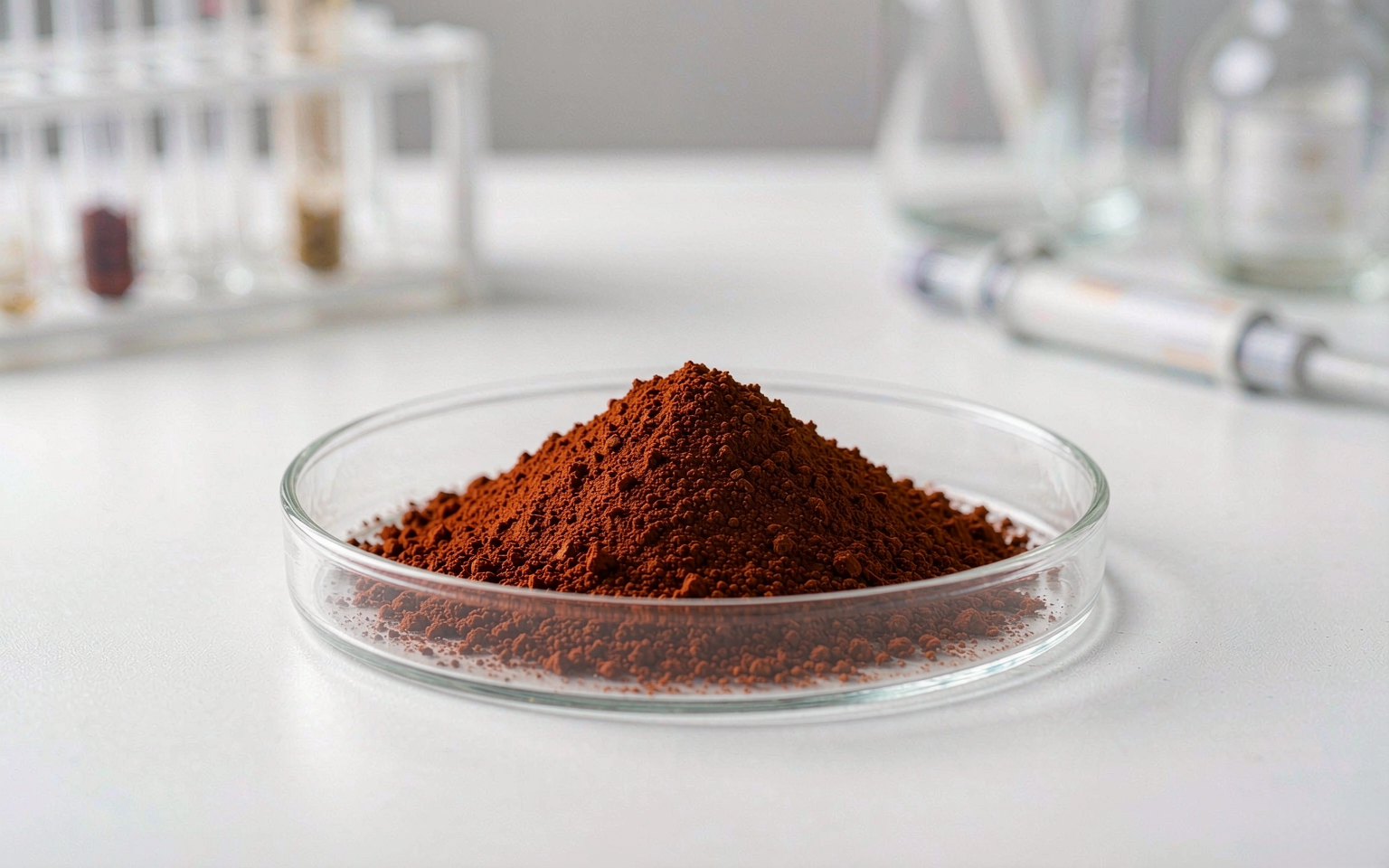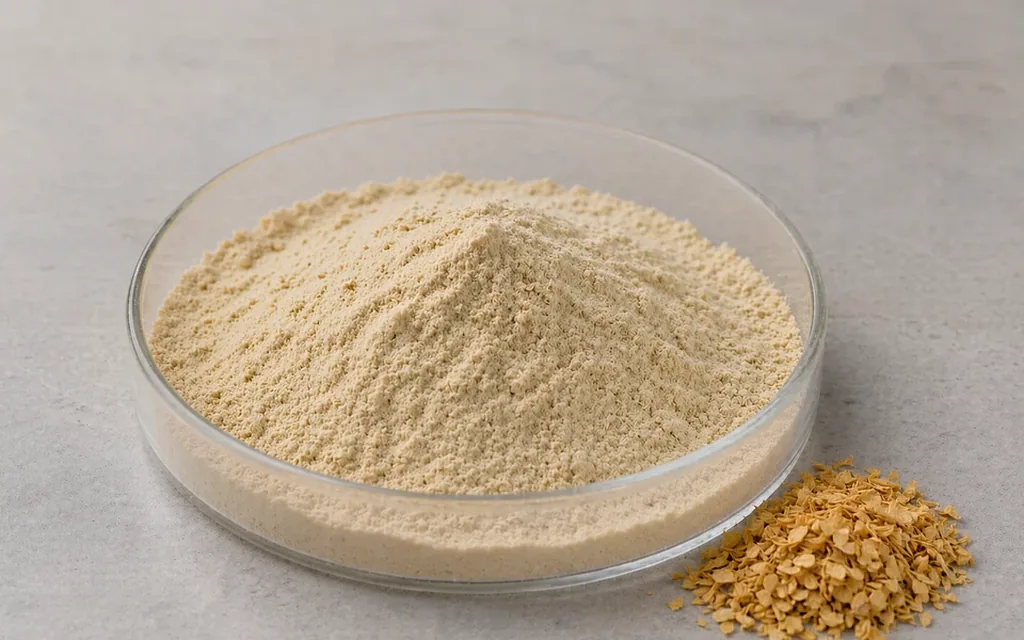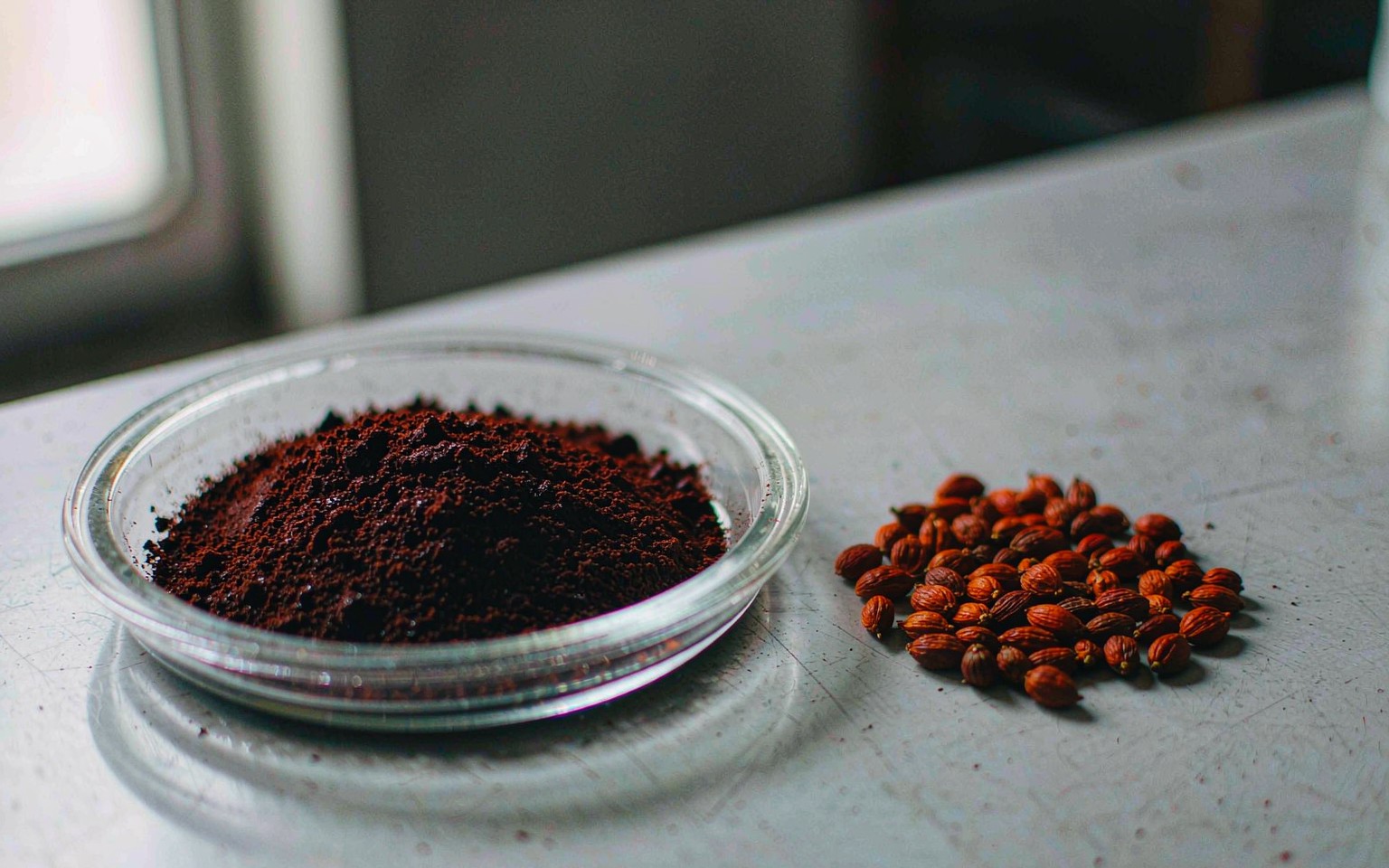

Blue is the hardest colour to source naturally, and it is the one where the three commercial options diverge most from one another. Gardenia blue, spirulina extract and butterfly pea are frequently treated as interchangeable in sourcing conversations. They are not. They come from three different pigment families, they respond differently to heat, acid and light, and — most consequentially for a launch in the United States — they are permitted in three noticeably different lists of foods.
Choosing between them is therefore not a question of which blue is best in the abstract. It is a question of which one survives your process and is legal where you sell it. What follows is a side-by-side comparison written for the person who has to sign off the formula.
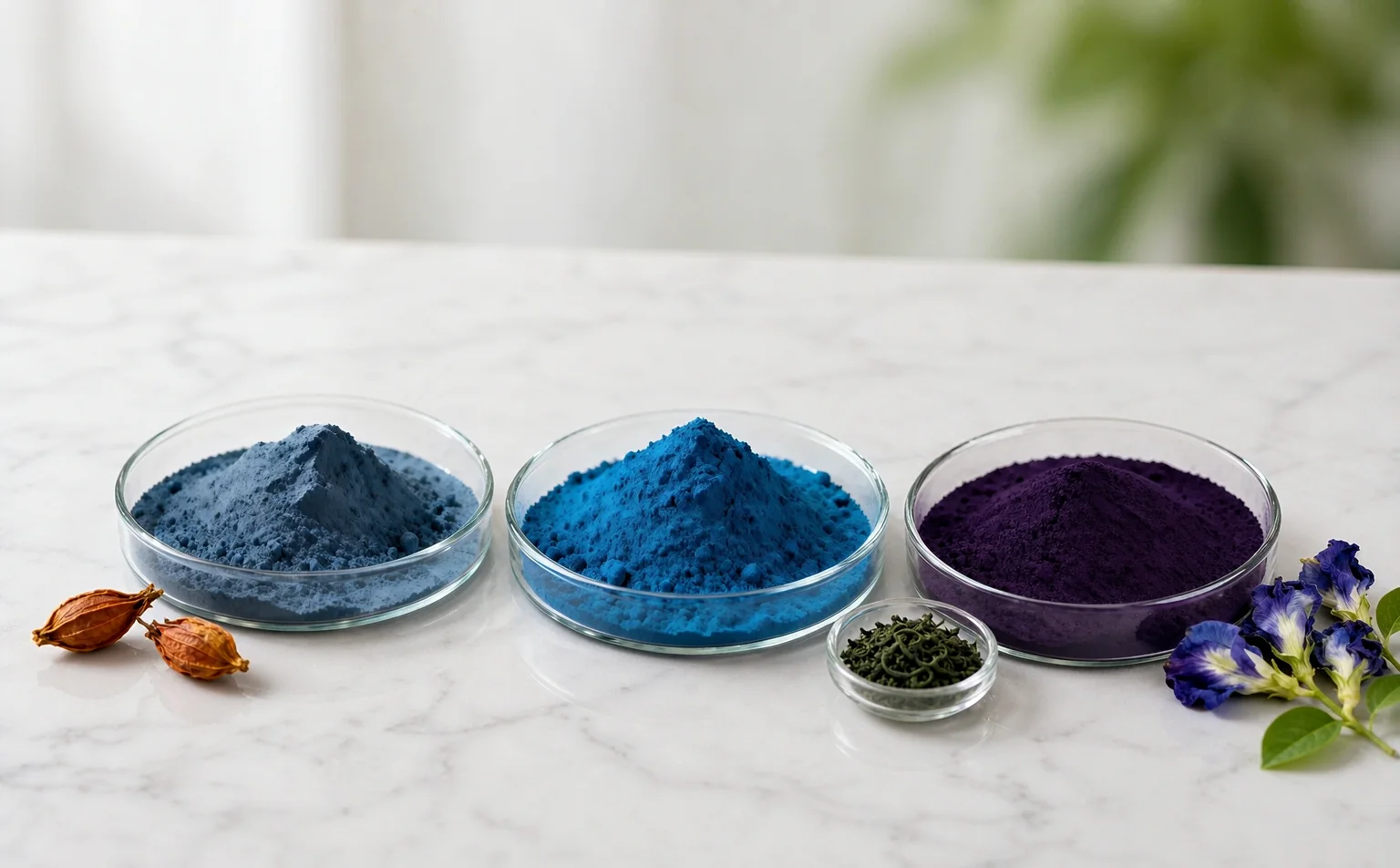
None of the three is a blue molecule in the way a synthetic dye is. Each derives its colour from a different structure, and that structure predicts almost everything else about how the pigment behaves downstream.
Gardenia blue is formed by reacting genipin, extracted from the fruit of Gardenia jasminoides, with soy protein hydrolysate. The colouring principle is a genipin–peptide polymer — a covalently bonded structure rather than a protein complex, which is the underlying reason it withstands heat better than the other two. It is also the newest of the three to hold a US listing, having been added only in 2025.

Spirulina extract is phycocyanin, a pigment bound inside a protein from the blue-green alga. Because the chromophore sits within that protein, its stability is the stability of the protein: it denatures with heat and it is sensitive to acid. It is a genuinely vivid blue, and it is also the most process-limited of the three.
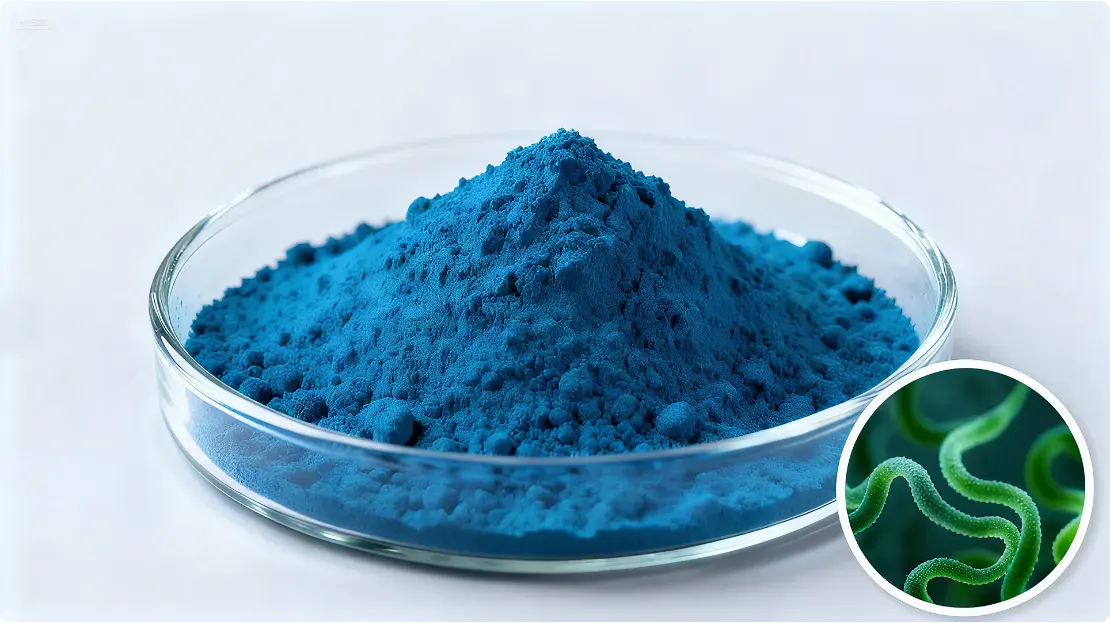
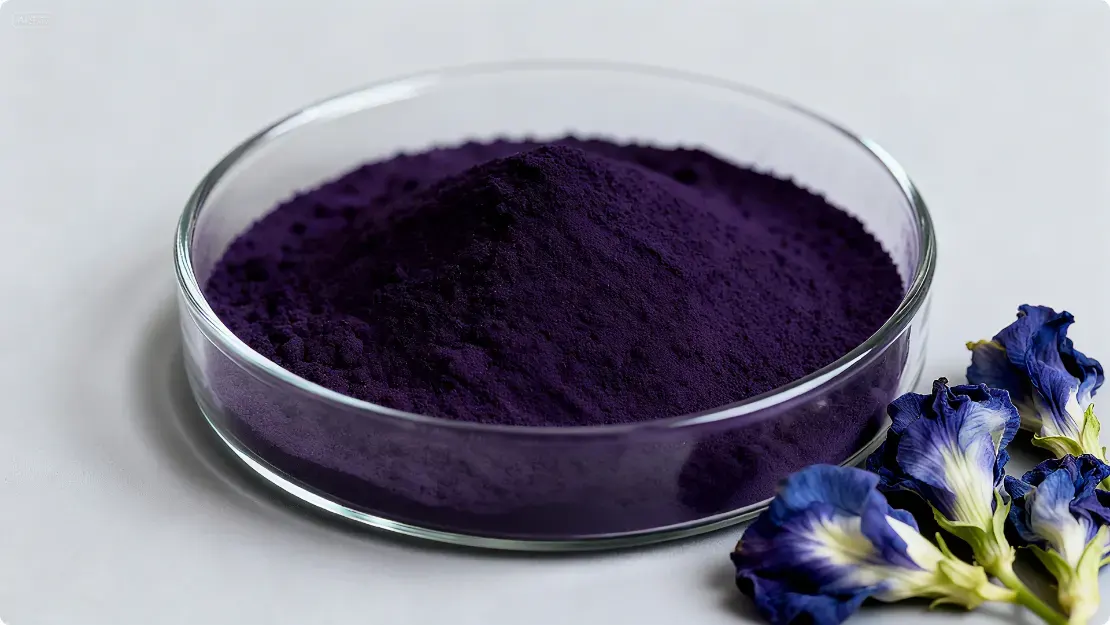
Butterfly pea is an anthocyanin extract, which places it in the same family as berry and red cabbage colours. Anthocyanins behave as pH indicators: the same material reads red in acid and blue under neutral to mildly alkaline conditions. That behaviour is either a feature or a problem depending on the product, and it is why a butterfly pea specification is normally written around a pH range rather than a single shade.
The three are often compared on shade alone, which is the least useful axis. What decides a project is the point at which each one stops working.
| Factor | Gardenia blue | Spirulina extract | Butterfly pea |
|---|---|---|---|
| Pigment family | Genipin–peptide polymer | Phycocyanin, protein-bound | Anthocyanin |
| Heat | Strongest of the three | Weakest — the protein denatures | Moderate |
| Acid | Holds across a broad range | Sensitive | Shifts hue; specified by pH range |
| Light | Useful life with opaque packaging | Sensitive | Sensitive |
| Usual failure point | Cost per unit of colour | Any process beyond mild pasteurisation | Any formula whose pH moves |
The practical reading of that table: if the product is baked, retorted or hot-filled, the discussion begins and largely ends with gardenia blue. If it is a chilled or ambient beverage with a controlled pH, spirulina extract becomes viable and is usually the brighter of the options. If the product is acidic and the shade can be designed around the pH — a drink intended to read violet-blue, for example — butterfly pea is often the most economical route.
This is where the three separate most sharply, and it is the part that catches formulators out, because a colour that is legal in one food is not automatically legal in another. All three are listed in the United States as colour additives exempt from certification, but the permitted lists are not the same length.
| Blue | US listing | Permitted breadth in the United States |
|---|---|---|
| Gardenia blue | 21 CFR 73.168 | Narrowest — a closed list of six categories: sport drinks, flavoured or enhanced non-carbonated water, fruit drinks and ades, ready-to-drink teas, hard candy and soft candy |
| Spirulina extract | 21 CFR 73.530 | Wider — confections, frostings, ice cream and frozen desserts, yoghurts, puddings, non-alcoholic beverages, salad dressings and more |
| Butterfly pea | 21 CFR 73.69 | Widest of the three — includes carbonated soft drinks, alcoholic beverages, ready-to-eat cereals and snack mixes |
Two consequences follow from that. First, the ordering runs against intuition: the blue with the best heat tolerance has the narrowest permitted list, and the one with the broadest list is the most pH-dependent. Second, a listing describes permitted uses rather than availability — being listed for hard candy does not make a blue legal in a biscuit, and where a food carries a standard of identity, an added colour needs to be authorised by that standard.
The first question in any US project is therefore not which blue looks right, but which blue is permitted in the category you are formulating. Our note on the gardenia blue FDA listing sets out all six categories in full.
One detail of the gardenia blue identity route deserves its own heading, because it is easy to overlook and expensive to discover late. The colouring component is formed by reacting genipin with soy protein hydrolysate. The finished colour is not soy, but the route uses a soy-derived input, and that is enough to raise an allergen question wherever soy is one of the declared allergens — which is what a soy-free claim demands upstream, rather than a question about the colour.
This does not disqualify the material — soy protein hydrolysate is a common processing input, and the position depends on the specification and on the destination market. It does mean the question belongs at enquiry rather than after artwork approval. Ask a supplier to state the allergen status of the specific grade in writing, and to confirm whether it is produced on a line that also handles soy.
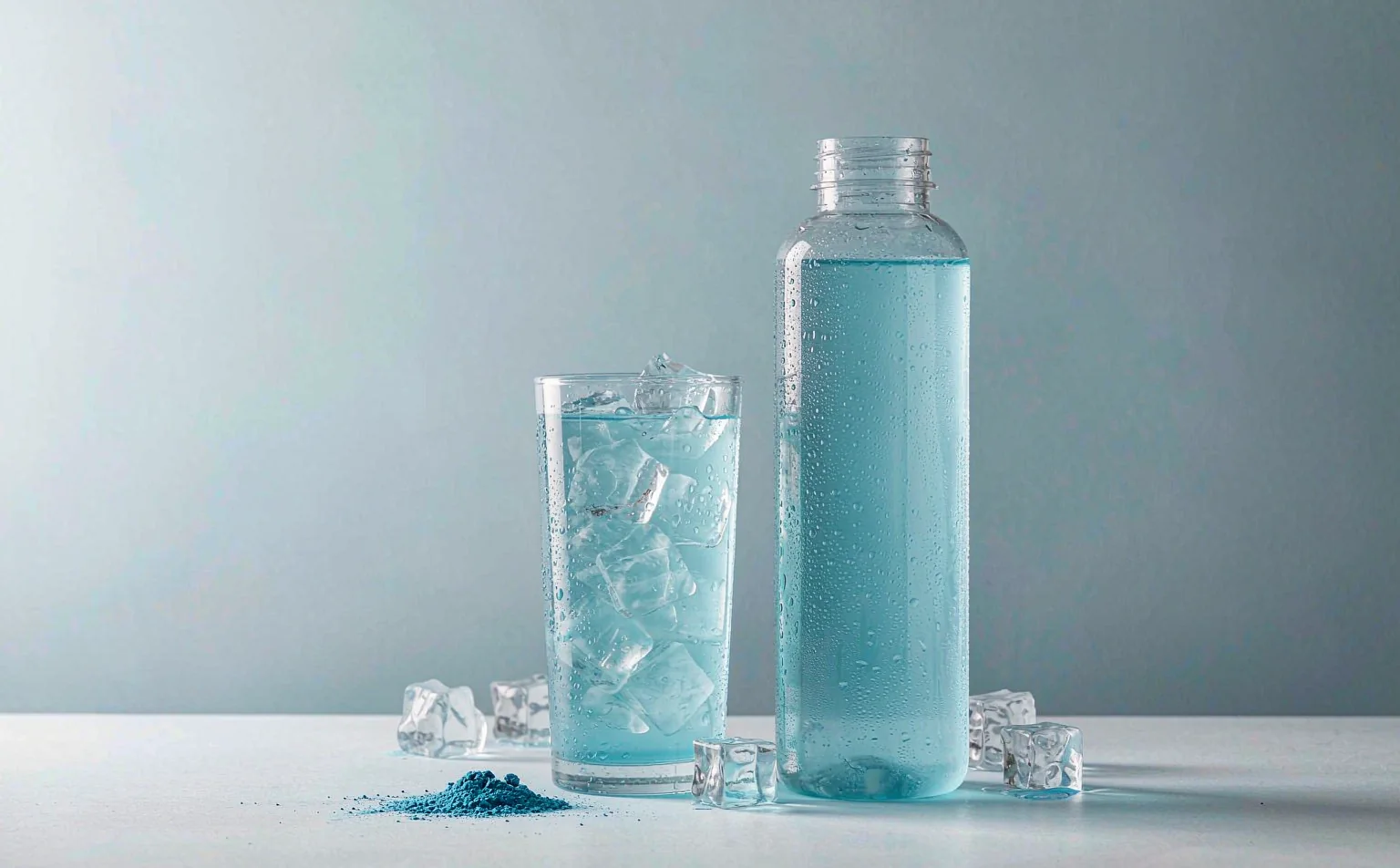
Beverages are where most natural blue projects begin, and also where the choice is most constrained. A clear, mildly acidic drink held at ambient temperature can use any of the three, and the decision turns on the exact shade and on cost. Introduce heat treatment and the field narrows to the one pigment that is not a protein. Introduce a low pH alongside an intended blue shade and butterfly pea moves to the front.

Confectionery is the opposite case. Hard candy and gummies pass through a hot process and then sit in a clear wrapper under shop lighting, which is close to a worst case for a protein-bound pigment. It is also one of the categories where gardenia blue’s US listing applies directly, so its heat tolerance is the deciding property rather than a preference.
For anything in the frozen or dairy direction in the United States, the permitted-use question has to be settled before the technical one. A listed colour and a permitted use in a dairy product are two different things.
Very few products use a single blue. Most of the greens, teals and violets on a shelf are built by combining a blue with a yellow or a red, and which blue you start from changes how the blend behaves later.
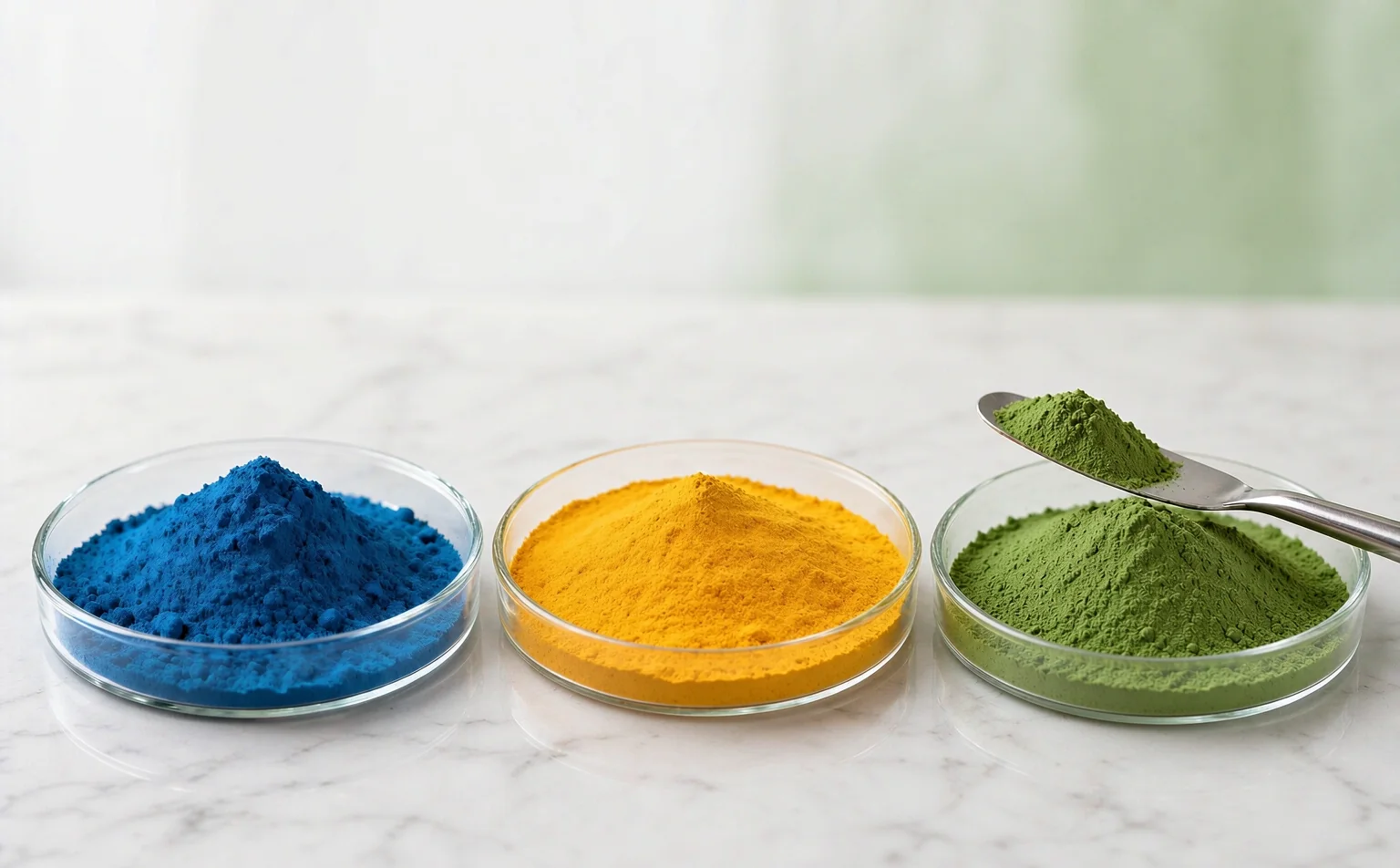
The full range, including the yellows and reds these blends are built from, sits under natural colours.
Whichever blue the project settles on, four items belong in the specification rather than in a follow-up email.
Send us the application, the target shade and the market, and we will say which of the three fits and send a sample of that grade rather than a price list.
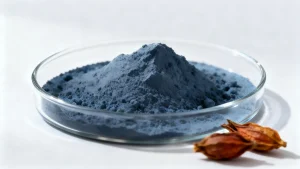 Gardenia BlueHeat-tolerant natural blue listed under 21 CFR 73.168, for the six permitted US categories.Read More »
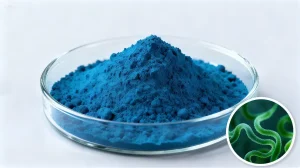 Spirulina ExtractPhycocyanin blue with a wider US permitted list but lower heat and acid tolerance.Read More »
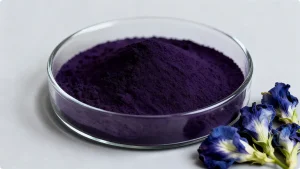 Butterfly Pea Flower ExtractAnthocyanin blue with the widest permitted US list of the three, specified by pH range.Read More »
Gardenia blue. Its colouring component is a genipin–peptide polymer formed by a covalent reaction, so it is not a protein complex and does not denature the way spirulina extract does. Butterfly pea sits between the two. If the process involves baking, retorting or hot filling, that difference usually decides the choice before shade is discussed.
No, and they are not chemically related at all. Gardenia blue is a genipin–peptide polymer produced by reacting genipin with soy protein hydrolysate. Butterfly pea is an anthocyanin extract, which means it behaves as a pH indicator — red in acid, blue in neutral to mildly alkaline conditions. They also have different permitted uses in the United States.
Ice cream is not on the list of categories covered by the gardenia blue entry at 21 CFR 73.168, which is a closed list of six categories. Spirulina extract and butterfly pea both have broader permitted lists that do include frozen desserts. This is exactly the kind of permitted-use question that is worth settling before a formula is built.
The manufacturing route reacts genipin with soy protein hydrolysate, so soy is an input to the process even though the finished colour is not soy protein. The regulatory position on allergen declaration depends on the specification and the destination market, so ask your supplier to state the allergen status of the specific grade in writing and to confirm whether it is produced on a shared line.
Because it is an anthocyanin, and anthocyanins respond to pH. The same extract reads red in an acidic drink and blue in a neutral or mildly alkaline one. That is why a butterfly pea specification is written around a working pH range rather than a fixed shade, and why the application matters as much as the ingredient.
Yes, and most commercial shades are built that way. Greens are normally a blue plus a yellow, violets a blue plus a red. Which blue you start from affects how the blend holds up, so it is worth choosing the blue for stability first and then adjusting the shade with the partner colour.