
On 29 August 2025 the FDA order adding gardenia (genipin) blue to the colour additives exempt from certification took effect. That date changed the commercial picture for natural blue in the United States. Before it, there was no listed route for a gardenia-derived blue in food. After it, there is one — but only for a defined article of commerce and a short list of product categories.
Most of the coverage stopped at “FDA approves natural blue”. The details that decide whether you can actually put it in a product are narrower, and they are all in the regulation text rather than in the headlines. Here is what 21 CFR 73.168 says, what it does not say, and what to put in a supplier specification before you build the colour into a formula.
Read the identity clause first. Under 21 CFR 73.168(a), the listed colour additive is prepared by reacting genipin extracted from the fruit of Gardenia jasminoides Ellis with soy protein hydrolysate, and its principal colouring component is a genipin–peptide polymer.
That is a description of a manufacturing route, not a generic name for everything sold as gardenia blue. If a material is made by a different reaction, or with a different nitrogen source, this listing was not written for it. In practice that means the first question to a supplier is not “what is your colour value” but “what is the identity route, and can you state it in writing”.
The permitted uses under 73.168(c) are a closed list. Anything not on it is not covered by this listing.
| Covered by 21 CFR 73.168 | Not covered |
|---|---|
| Sport drinks | Carbonated soft drinks |
| Flavoured or enhanced non-carbonated water | Dairy and frozen desserts, including ice cream |
| Fruit drinks and ades | Baked goods |
| Ready-to-drink teas | Jams, sauces and condiments |
| Hard candy | Nutritional or cereal bars |
| Soft candy | Any food with a standard of identity, unless that standard authorises added colour |
The last row matters more than it looks. Where a food has a standard of identity, an added colour needs explicit authorisation by that standard, regardless of how the colour itself is listed.
So a material that is perfectly legal in a hard candy or a sports drink is not automatically legal in an ice cream or a biscuit. Application briefs written before 2025 — and plenty are still circulating — routinely discuss gardenia blue in frozen desserts and baked goods. Those uses sit outside the 73.168 list, which means a US launch needs a regulatory check rather than a like-for-like substitution.
The listing carries a full specification table. These are the numbers your supplier should be reporting per batch if the material is intended for the US:
| Parameter | Limit |
|---|---|
| Genipin | Not more than 5 ppm |
| Geniposide | Not more than 80 ppm |
| Methanol | Not more than 300 ppm |
| Lead | Not more than 2 ppm |
| Arsenic | Not more than 2 ppm |
| Mercury | Not more than 1 ppm |
| Cadmium | Not more than 1 ppm |
One point worth flagging when comparing supplier documentation: the original order of 15 July 2025 printed the methanol limit as 6 ppm. The FDA corrected that figure on 6 August 2025 to 300 mg/kg (300 ppm), noting that the specification had been inadvertently misstated. The corrected figure is the one carried in the current text of 21 CFR 73.168, and it is the limit our gardenia blue specification sheet is written against.
The genipin and geniposide limits are the ones that separate a gardenia blue built for this listing from a general-purpose extract. They cap residual unreacted starting material and its related glycoside, which is why a certificate of analysis that reports only colour value and heavy metals is not enough for a US specification file. Note also that the methanol specification was corrected after the original order; if you are working from an early copy, check it.
The listing is permanent and the colour is exempt from certification. The FDA does not certify individual batches. Your assurance therefore rests on three things you control: the manufacturer’s process control and identity statement, the per-batch certificate of analysis against the 73.168 limits, and your own incoming verification.
In other words, the regulatory work moves out of the approval process and into supply chain documentation. A US buyer should be asking for the identity route, the specification results per batch, and the traceability behind them before the first commercial container, not after.
Because the listed identity is a reaction product of genipin with soy protein hydrolysate, soy sits in the manufacturing chain. Whether that has to be declared depends on your market’s allergen rules and on what remains in the finished colouring preparation, which is precisely the kind of question that should be settled with a written allergen statement — and an analytical result where the risk is material — rather than an assumption either way.
If your brief is soy-free, this has to be checked before the colour goes into the formula. It is not a question a colour value can answer.
It is worth knowing that the permitted-use lists for the natural blues are not comparable, and the trade-off runs opposite to what most buyers expect.
Spirulina extract, the phycocyanin blue, is listed at 21 CFR 73.530 with a much longer permitted list in the US — confections including candy and chewing gum, frostings, frozen desserts, yogurts, custards, puddings, non-alcoholic beverages, salad dressings and more — and that listing has been amended further since. Its weakness is stability: phycocyanin is markedly more sensitive to heat and to acid than a genipin blue, which limits it in exactly the hot-filled and low-pH applications where a formulator most wants a natural blue.
So the blue with the wider permitted reach is the more fragile one, and the more robust colour carries the shorter list. Choosing between them is a two-part decision: first whether the category is permitted, then whether the pigment survives your process. Getting only the second half right is a common and expensive mistake.
For context on how fast this area moves: beetroot red, a red rather than a blue, had a broader US listing issued in February 2026 whose effective date was subsequently stayed following objections. “FDA approved” is a statement with a date attached, and the date is worth checking every time you reorder artwork.
If you are specifying gardenia blue for a US launch, this is the short version of what to request up front:
The short version of the whole article: the 2025 listing made gardenia blue usable in the United States, but only for a defined article of commerce and only in six categories. Check those two things before you check anything else, because a colour that is technically excellent and outside the permitted list is still not a colour you can sell.
Send us the application and the target shade, and we will confirm the specification and the documentation our material carries against it — and tell you plainly if it is the wrong grade for the job. Related reading: Gardenia Blue product page and natural colours range.
 Gardenia BlueHigh-stability natural blue for beverages and confectionery. Check the FDA permitted categories before specifying.Read More »
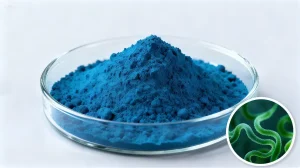 Spirulina ExtractPhycocyanin blue with a wider US permitted list but lower heat and acid tolerance.Read More »
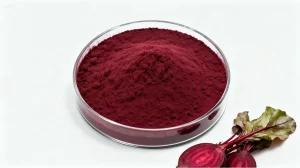 Beetroot RedHeat-tolerant betalain red, usually blended with a yellow to build a full colour palette.Read More »
Yes, for the six categories listed in 21 CFR 73.168, since 29 August 2025: sport drinks, flavoured or enhanced non-carbonated water, fruit drinks and ades, ready-to-drink teas, hard candy and soft candy. The material must also be produced by the listed route and meet the specification limits in the regulation.
Not under the 73.168 listing. Frozen desserts and baked goods are not among the permitted categories, and foods with a standard of identity need explicit authorisation for added colour. Separately, the FDA does not certify individual batches of this colour, so your assurance comes from the supplier's per-batch certificate of analysis and your own incoming checks.
The identity listed by the FDA is a product of reacting genipin with soy protein hydrolysate, so soy is present in the manufacturing route. Whether it must be declared depends on your market's allergen rules and on what remains in the finished colouring preparation, so ask for a written allergen statement rather than assuming either way.
Spirulina extract, the phycocyanin blue listed at 21 CFR 73.530, has a considerably longer permitted-use list in the US but is markedly more sensitive to heat and acid. Gardenia (genipin) blue carries a shorter permitted list and better process stability. In practice you check category permission first, then whether the pigment survives your process.