
How to Read a Yeast Protein Certificate of Analysis
A specification is a promise and a certificate is evidence. What a yeast protein COA must contain, which column carries the information you need, and the six patterns that mark a template rather than a batch record.
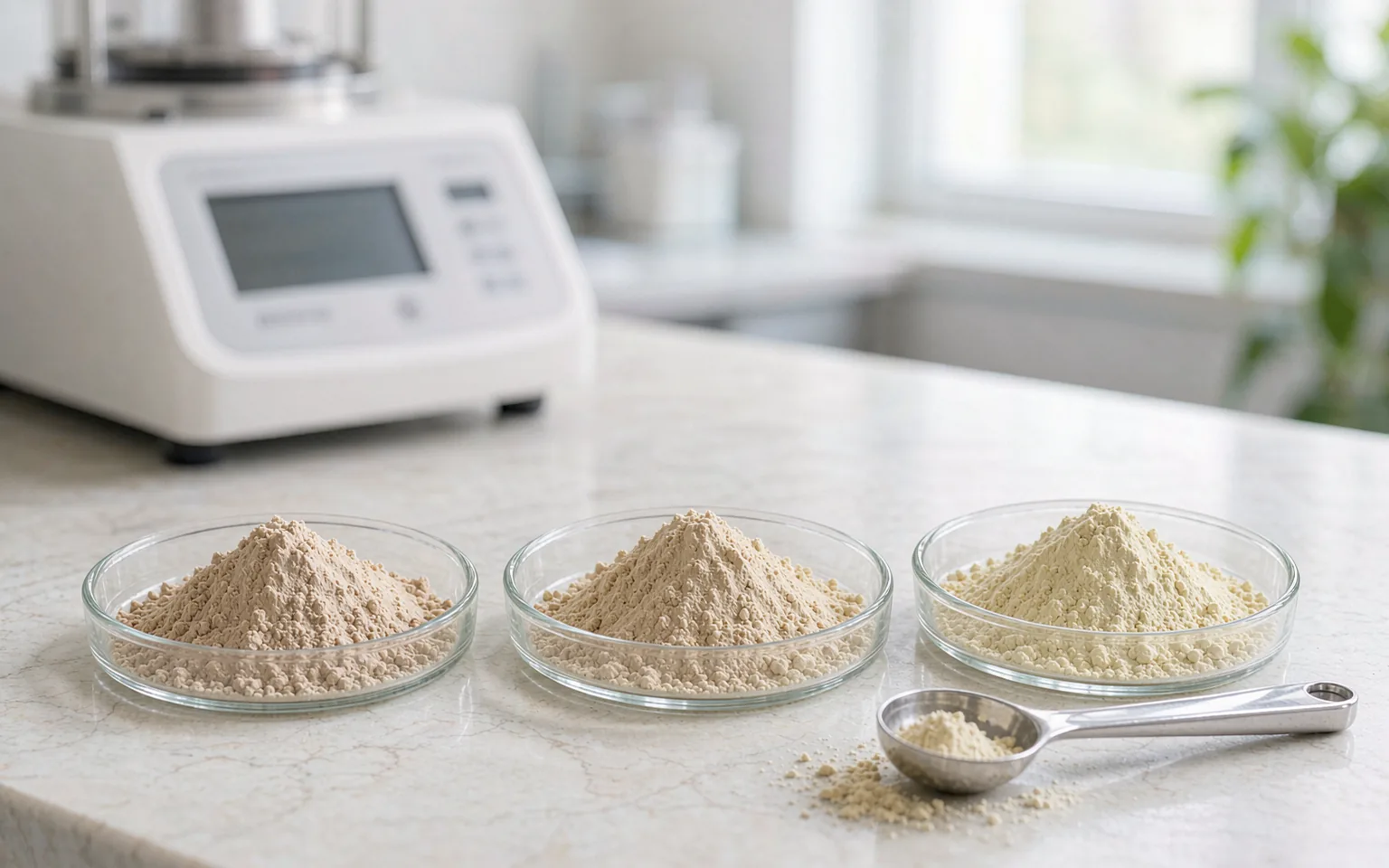
Yeast Protein 80%: What Every Value on the Specification Means
An 80% yeast protein specification hides more than it shows. A line-by-line reading of protein basis, moisture, ash, nucleic acid, microbiology and heavy metals — and why two specifications can differ ten-fold on cadmium.
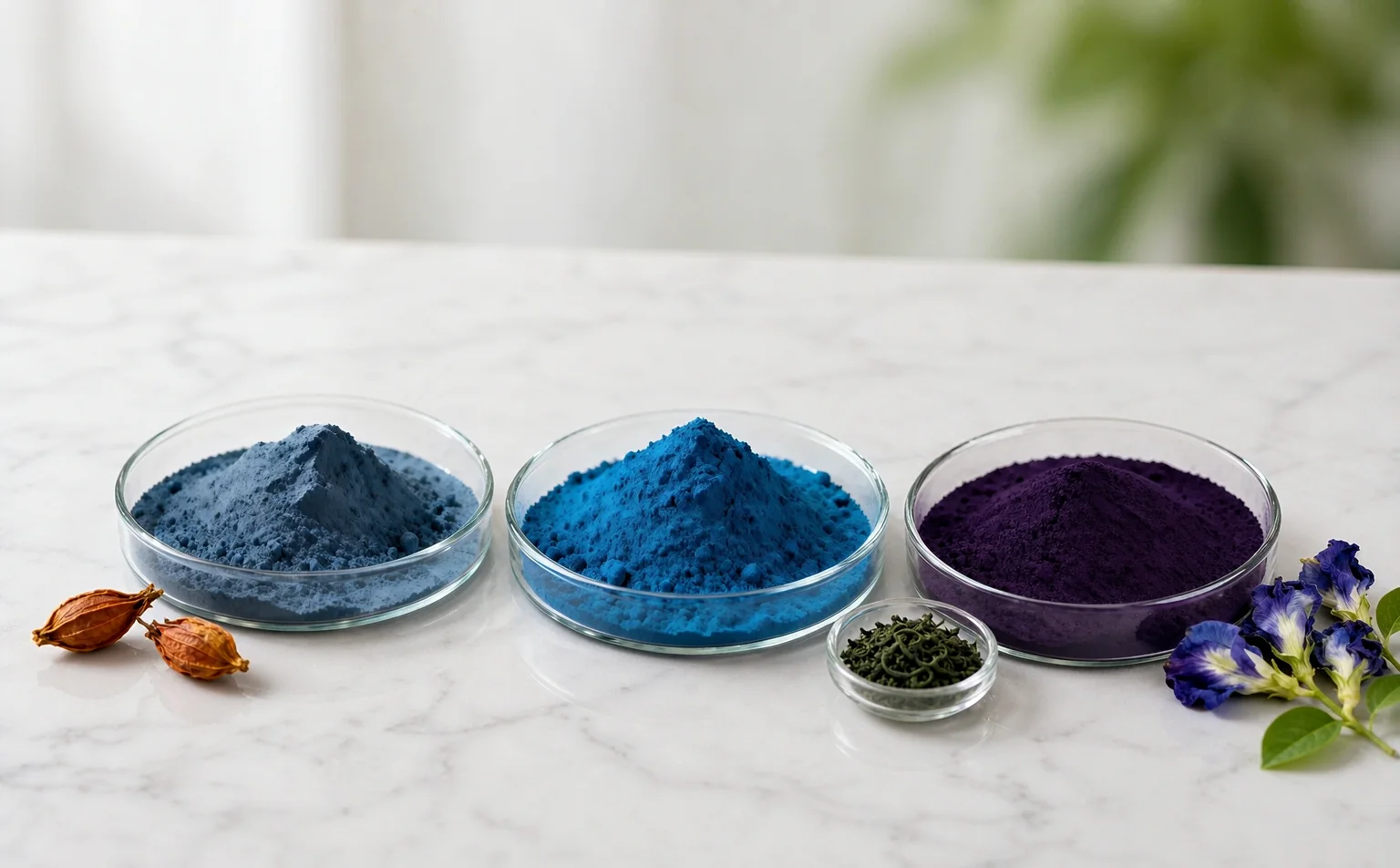
Natural Blue Pigments for Food: Gardenia Blue vs Spirulina Extract vs Butterfly Pea Flower
Blue is the hardest colour to source naturally — and the three commercial options are not interchangeable. We compare gardenia blue, spirulina extract and butterfly pea on hue, stability and US labelling, so buyers can match the right blue to the right application.

Gardenia Blue Is Now FDA-Listed: What US Food Manufacturers Need to Know
On 29 August 2025 the FDA order adding gardenia (genipin) blue to the colour additives exempt from certification took effect. Here is what the listing covers, which food categories are permitted, and what US buyers should confirm before switching to gardenia blue.
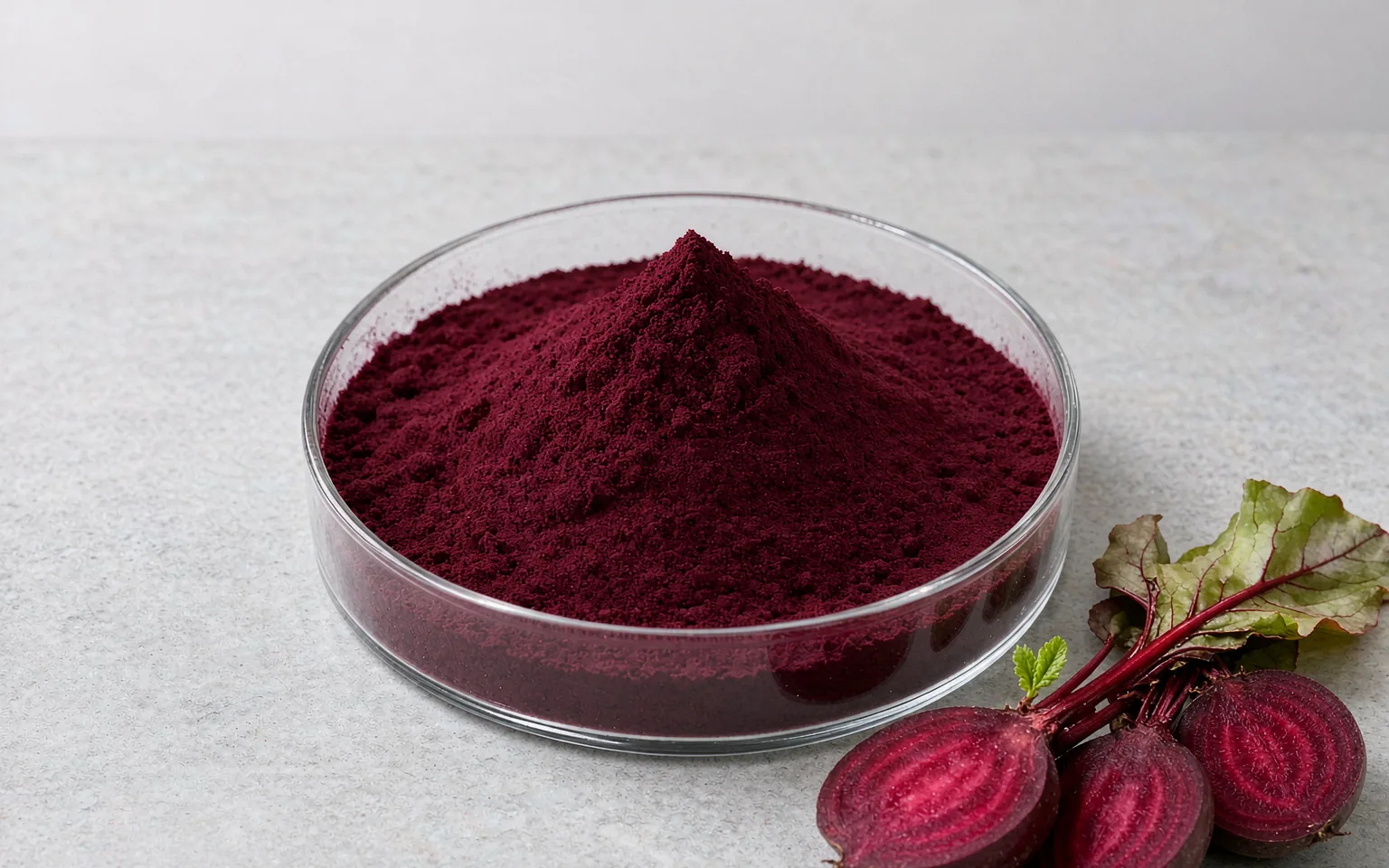
Beetroot Powder for Baking Color: Why It Fades and How to Fix It
Beetroot powder for baking color fails for three reasons, only one of them the oven. Regulatory identity, crumb pH set by leavening, thermal loss data and working dose.
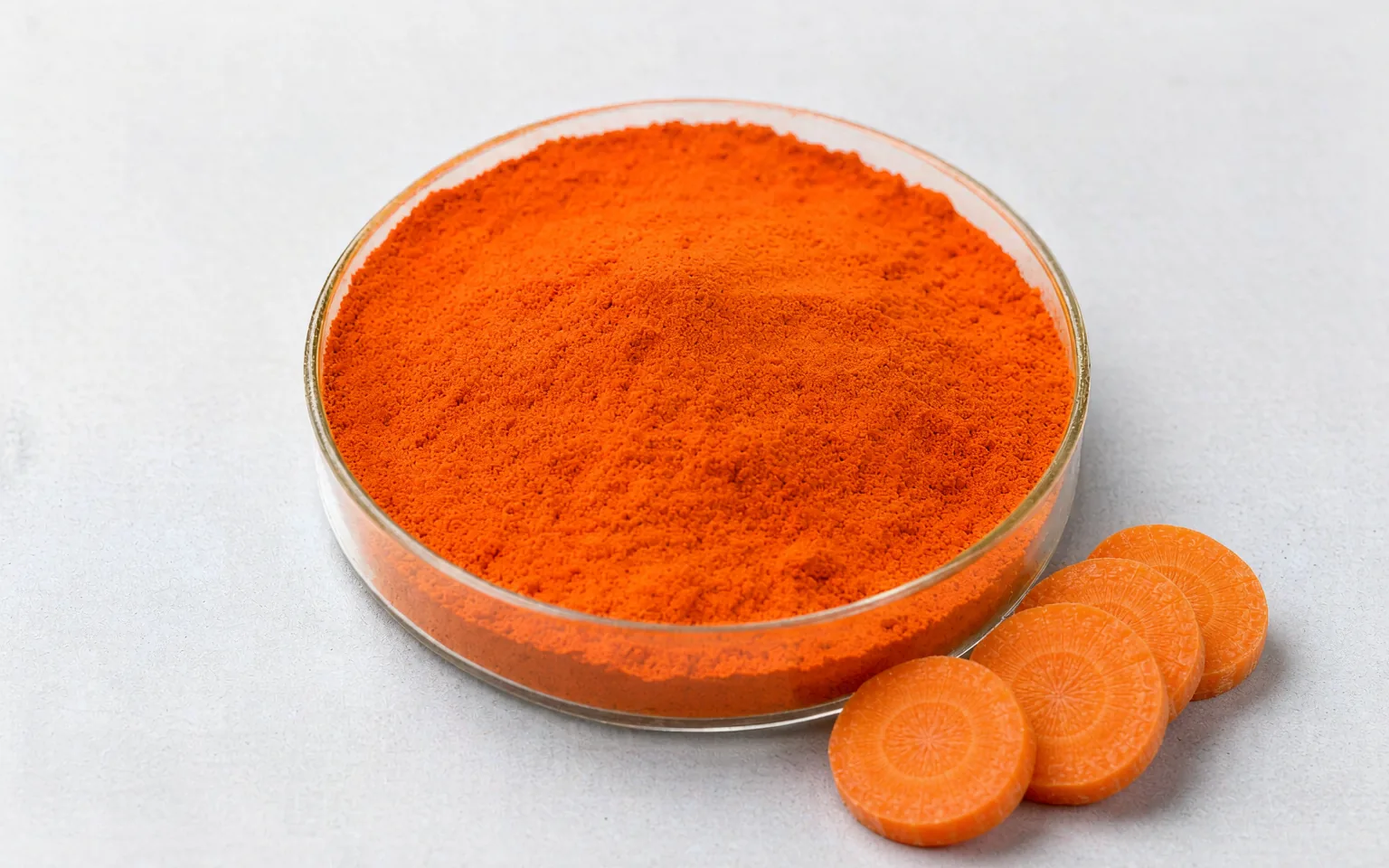
Spray Dried vs Freeze Dried Vegetable Powder: Specification Guide
Spray dried vs freeze dried vegetable powder is a specification question before a price question. Drying routes, the numbers that cause rejections, and how to read the COA.