
A specification sheet is a promise. A certificate of analysis is evidence. Suppliers are usually generous with the first and variable with the second, and the gap between the two documents is where most sourcing surprises come from.
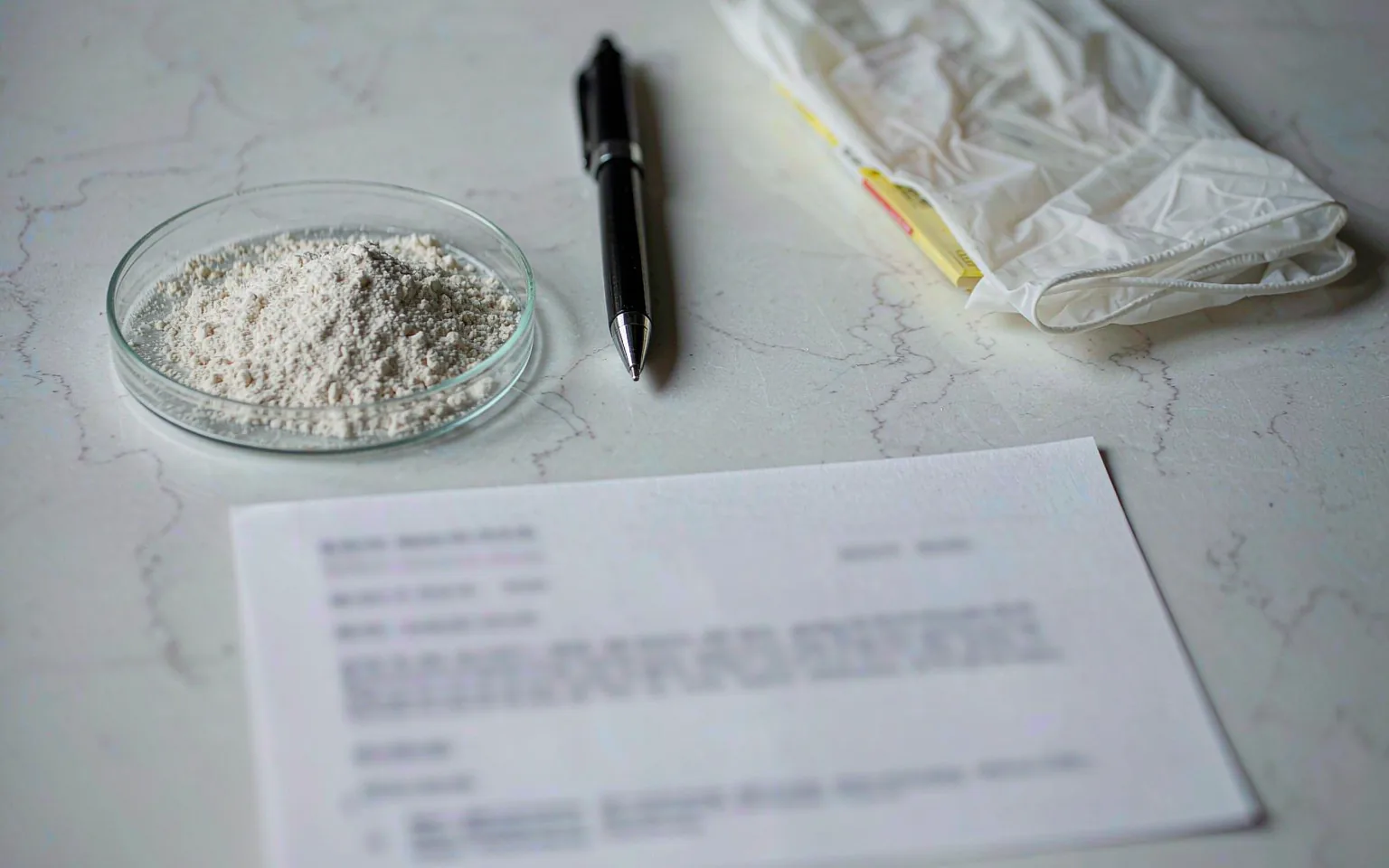
This is a practical guide to reading a yeast protein certificate of analysis: what it must contain, which column carries the information you actually need, and the patterns that separate a real batch certificate from a document that merely looks like one.
A certificate of analysis that can be filed against a purchase order carries a defined set of items. If any of the following are missing, the document is a brochure rather than a record.
A recent certificate issued for an 80% grade illustrates the shape of a complete document: product name and model number, an eight-digit batch number, a production date, a stated test method, thirteen test lines each with a standard requirement and a measured result, and three signatories. That is what a usable record looks like. The same logic carries to a dried agricultural powder, where moisture and mesh take the place of protein — reading a vegetable powder certificate and specification.

A certificate on which the results column repeats the limits column is not a certificate. It is a specification with a different title.
Look at a protein line. A specification says "protein 80.0% min". A certificate says "standard requirement: 80.0% min; result: 81.35%". The first tells you what the supplier will not go below. The second tells you what the material in the container actually is. Only the second one can be used to check a formulation, to compare two suppliers, or to defend a release decision.
The same logic applies line by line. Where a certificate shows a limit of 10,000 CFU/g for total plate count and a result of 260 CFU/g, you have learned two things: the batch is well inside specification, and the process is producing material far from the ceiling rather than parking against it. A certificate where every result sits exactly on its limit is either a batch on the edge or a document that was not filled in from laboratory data.
Protein is the line most often misread, and the reason is the basis. Certificates vary in whether they report protein on a dry basis, as-is, or both.
Work through one example. A certificate reporting protein at 81.35% with moisture at 3.75% is quoting the protein on a dry basis. To express that as-is, apply the moisture: 81.35% multiplied by the dry matter fraction of 96.25% gives approximately 78.3% protein as delivered.
Both figures are correct and both describe the same powder. Choosing the wrong one costs you roughly three percentage points of assumed protein in a formulation, which compounds across every kilogram. If a certificate states protein without stating the basis, ask; the answer changes the number.
The second thing to check behind the protein figure is the method. Nitrogen determination converts measured nitrogen into protein through a factor, and the convention for yeast protein is 6.25. A laboratory using a different factor on the same sample reports a different figure, with no error on either side.
The method reference should appear on the certificate, whether as a standard number or as a named procedure. When two certificates for comparable material quote protein figures a percentage point or two apart, the method and factor are the first explanation to rule out before concluding that the materials differ.
Microbiology on a certificate is a list of counts, and counts are more informative than pass or fail.
Two entries deserve particular attention on a yeast-derived ingredient. The first is the organism-specific yeast and mould count, which is meaningful precisely because the material is itself a yeast; a certificate reporting "below 50 CFU/g" against a 50 CFU/g limit is stating that the count was under the detection threshold, which is the outcome you want. The second is the coliform line, where "not detected" against a limit of below 3.0 MPN/g tells you the assay was run and came back clean.
Pathogen lines are normally specified as absent on a 25-gram basis for Salmonella and Staphylococcus aureus. There is no numeric result to compare; the value of the line is that it was tested, which is why a certificate that lists pathogens without any result at all is worth questioning.
For interpretation, the released value against the limit is what matters. A total plate count of 260 CFU/g against a 10,000 CFU/g limit is a wide margin; the same 260 against a 500 CFU/g limit would be two-fifths of the available headroom. The limit tells you the standard; the ratio tells you the process.
Heavy metals must appear individually. A certificate that reads "heavy metals: pass" has not given you a result.
Lead, cadmium, mercury and arsenic each carry a separate limit and a separate measured value. Where a certificate reports "less than 0.5" for cadmium against a limit of 1.0, read that carefully: it states that the assay did not detect cadmium above the reporting threshold of the method, not that the batch contains 0.5. The reporting threshold is itself a number worth knowing, because a method that cannot see below 0.5 tells you nothing about a limit set at 0.1.
This is the practical reason to compare heavy metal lines across suppliers rather than within one document. The limits themselves vary substantially between commercial grades, and the analytical floor of the method used can hide a difference that matters for a regulated market.
Six patterns are worth treating as questions rather than rejections, but each one deserves a question.
A certificate of analysis covers the batch. It does not cover the ingredient. Four further documents belong in the file before a supplier is approved: the specification, which states what the supplier commits to; the technical data sheet, which covers handling, storage and application; the safety data sheet, for your own site requirements; and the allergy and certification statements for the specific grade.
Taken together these five documents answer different questions, and a supplier who can produce all five for the grade you are buying is a supplier whose certificate is worth reading in the first place.
Reading a certificate is one step in qualifying a supplier. The yeast protein buyer's guide puts it in context: which documents to compare, what to request, and the order to work through them before a purchase order.
If you are evaluating yeast protein for a project, send us your application and target protein level and we will provide the specification, a batch certificate of analysis and a sample of the matching grade so the documents can be checked against material.
 Yeast ProteinFermentation protein supplied with a per-batch certificate of analysis against the agreed specification.Read More »
 Mung Bean ProteinPulse protein with a different allergen and flavour profile to compare on documentation.Read More »
 Rice ProteinHypoallergenic-positioned cereal protein, often specified for allergen-restricted labels.Read More »
A specification sheet states the limits a supplier commits to for a product line. A certificate of analysis reports the measured results for one specific batch, identified by batch number and production date. Only the certificate is evidence about the material you have received.
Basis. Certificates frequently report protein on a dry basis, while a formulation calculation needs the as-is figure. Applying the moisture content converts one to the other: 81.35% on a dry basis at 3.75% moisture is approximately 78.3% as delivered. Both are correct; they describe the same powder differently.
For every batch. A certificate should be traceable to the batch number on your delivery documents. A single certificate reused across shipments does not tell you anything about the material in a later container, and it cannot support a release decision.
No. 'Not detected' means the assay found nothing above its reporting threshold, which is a method-dependent figure. Where a certificate reports cadmium as below a threshold against a tighter specification limit, the threshold itself is worth knowing, because a method that cannot see below the threshold cannot verify the limit.