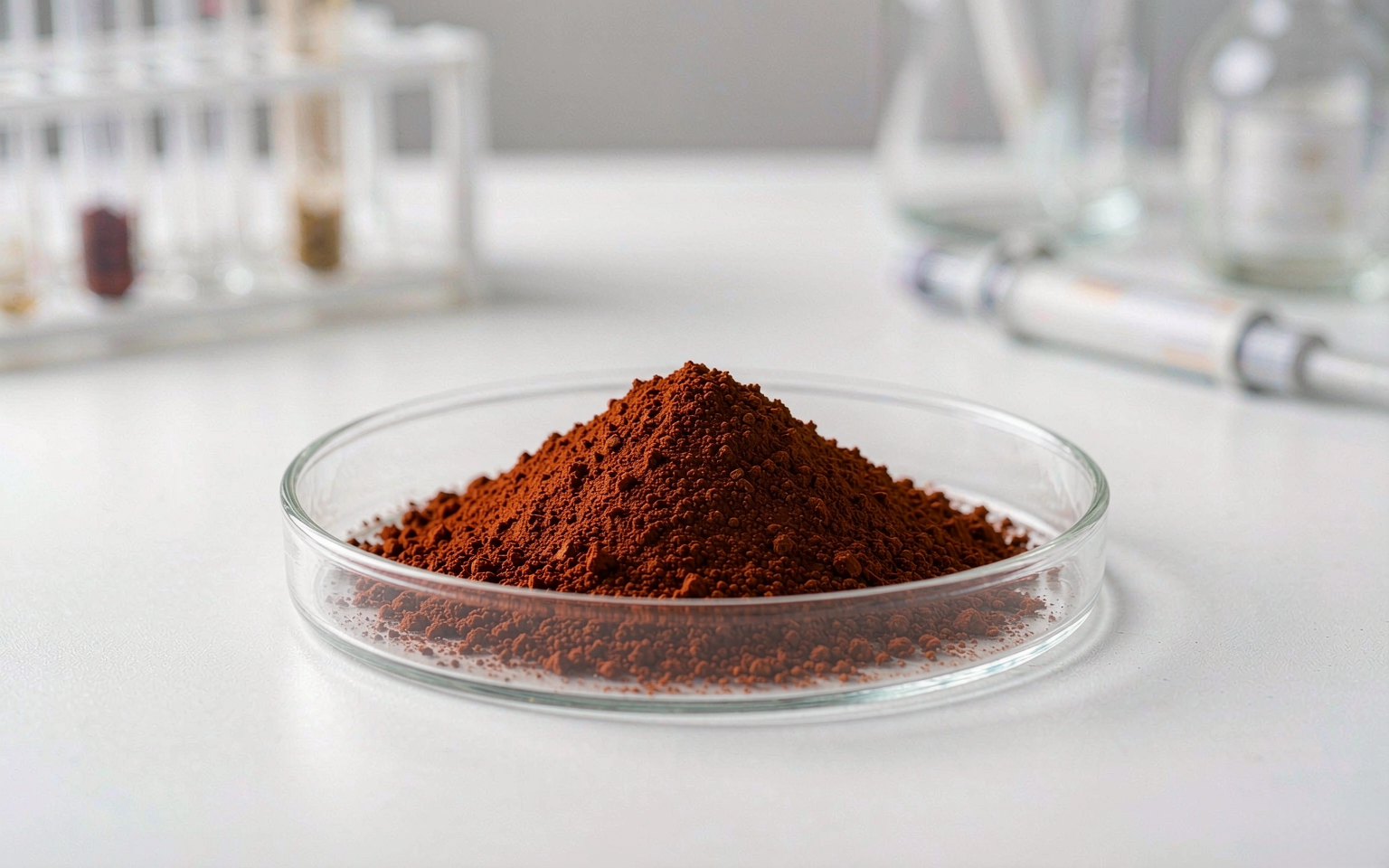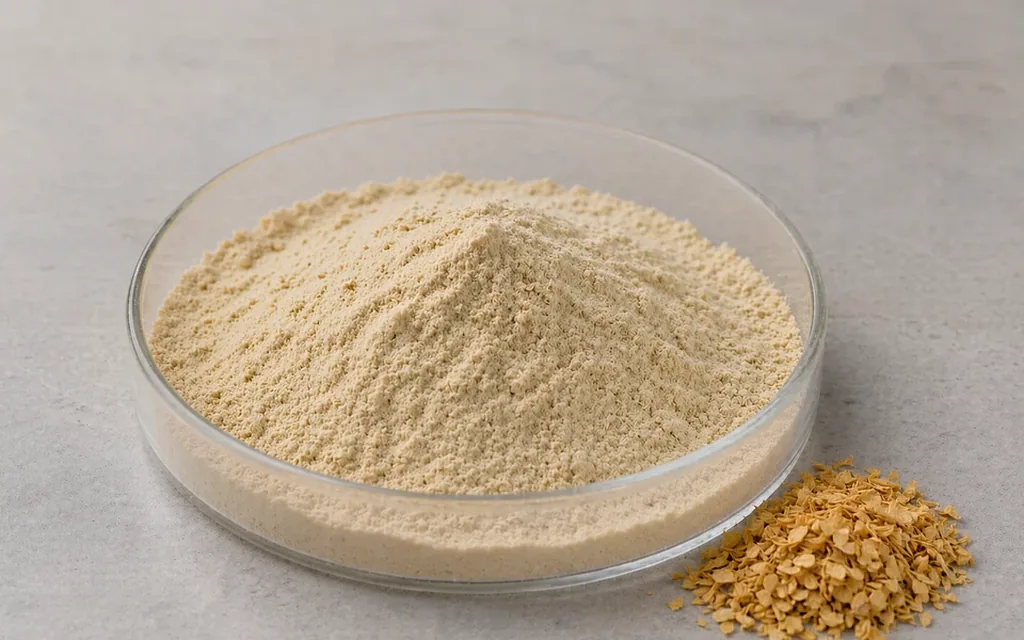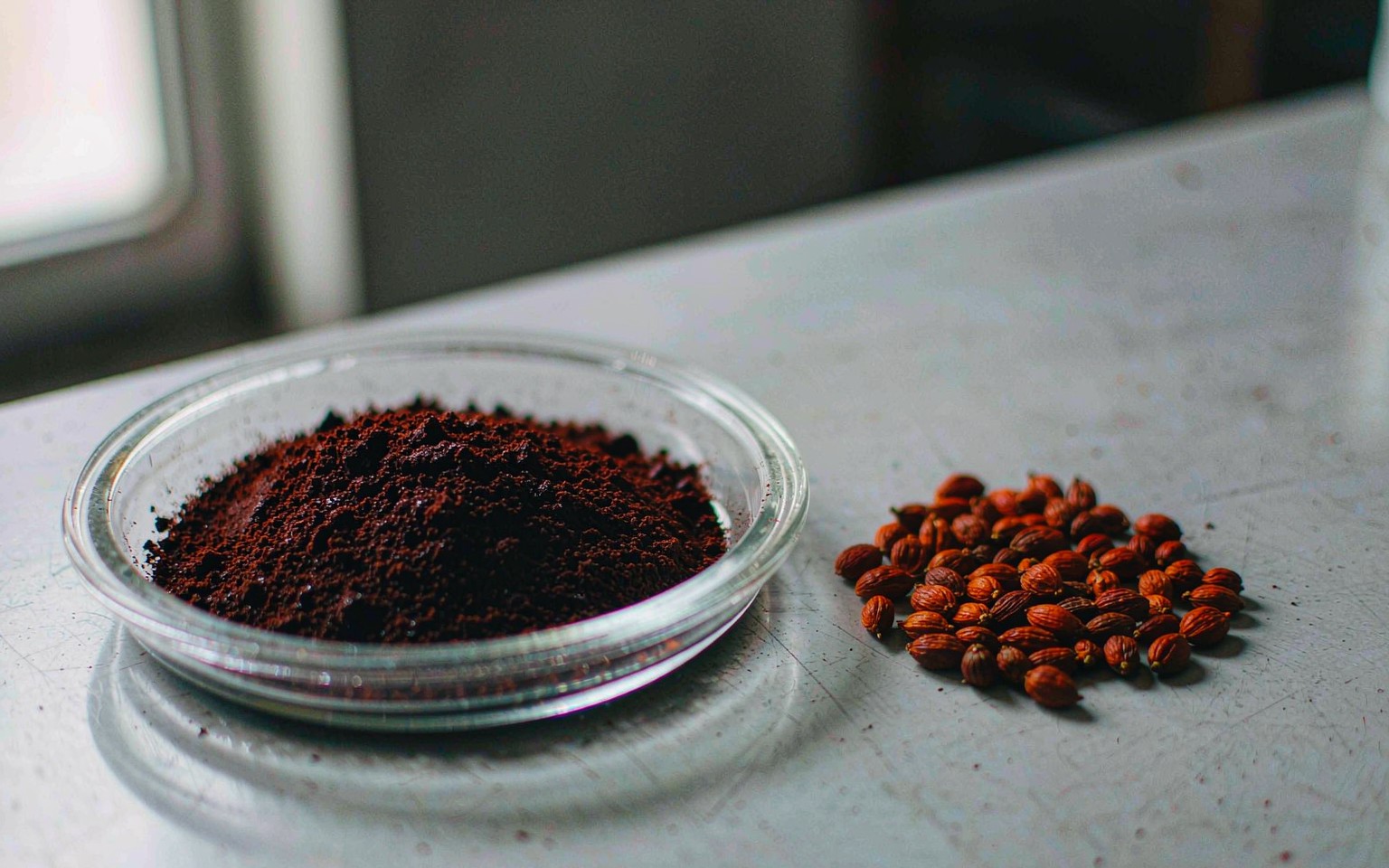

A soy free protein allergen declaration is a sourcing constraint before it is a labelling one. The label is where it surfaces, not where it starts. What decides the project is whether the new protein can be delivered with no soy protein anywhere upstream — field, truck, silo, line — and whether you can prove that when an auditor asks.
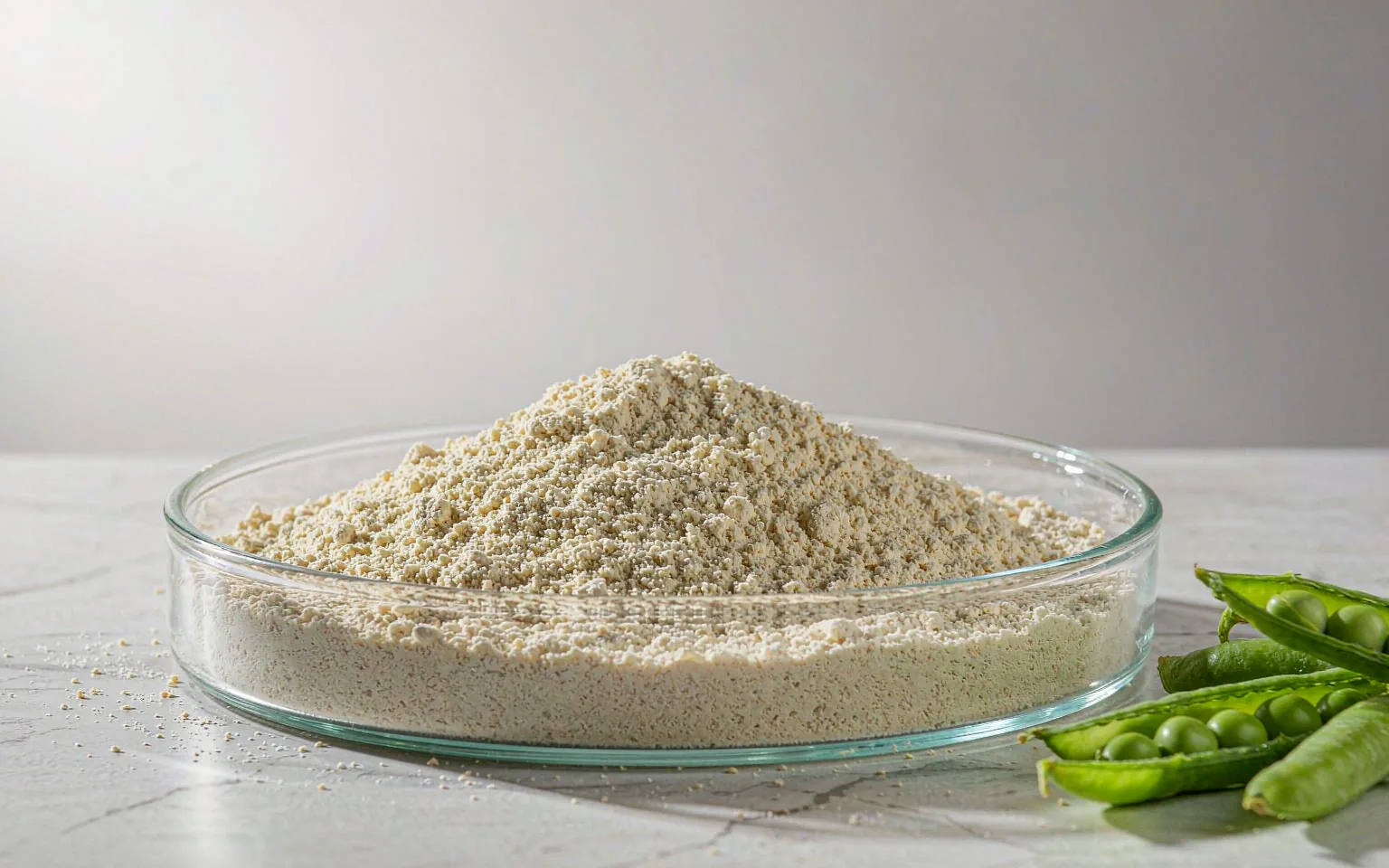
A brief that starts with "we need the soy out" is a question about declarations and factory segregation, not nutrition. Soy isolate works well and brands still remove it, because declaring it costs more than it saves. The rest of this piece is about that cost; for protein performance, see a side-by-side comparison of yeast, soy and pea protein.
Soybean is a declared allergen in both markets, and the obligation reaches past the ingredient list. In the EU it sits on Annex II to Regulation (EU) No 1169/2011, which requires it to be emphasised within the ingredient statement. In the US it is one of the nine major food allergens declared under 21 U.S.C. 343(w).
That drives an allergen control programme: segregated storage, dedicated or sequenced production, cleaning validation, documentation an auditor will ask for. It can rule out a co-manufacturer, and it changes which pack claims you can print.
The US list is nine, not eight. FALCPA in 2004 defined eight; the FASTER Act, signed 23 April 2021, added sesame from 1 January 2023. Any ingredient containing protein derived from soybeans is a major food allergen.
There are two compliant declarations and no third: the source in parentheses after the ingredient name — "lecithin (soy)" — or a "Contains" statement after the list, in type no smaller than the list, naming every major allergen present. A "Contains" line that misses an allergen already in the product is misbranded. There is no de minimis for an allergen used as an ingredient.
The carve-out is narrower than it is remembered. A highly refined oil from a major allergen is excluded from the definition, and so is anything derived from such an oil — which is why refined soybean oil needs no soy declaration. Unrefined oils do not qualify.
Lecithin is not a highly refined oil, so soy lecithin must be declared as soy. It is not settled, though. FDA publishes the petitions filed under 21 U.S.C. 343(w)(6) for ingredient-specific exemptions: soy lecithin appears on that list more than once, and the responses remain pending. Until one is granted, declare it.
Switching ingredients does not deliver a soy-free product, because most of the risk sits upstream of the gate. Pulses are grown in rotation with cereals and soy, and the same harvester, trucks and regional bins move between them — so a pea crop from a soy rotation, stored in a bin that held soy last month, is not a soy-free raw material however clean the line is.
Ask agricultural questions, not analytical ones. Which crops precede the pulse in the rotation? Is the harvesting equipment dedicated, or cleaned between crops against what record? Are bins and vehicles dedicated or sequenced? A supplier who answers with documents is a different supplier from one who answers with assurances.
"We run a dedicated line" is a starting point, not evidence. Five things have to exist before that claim survives an audit:
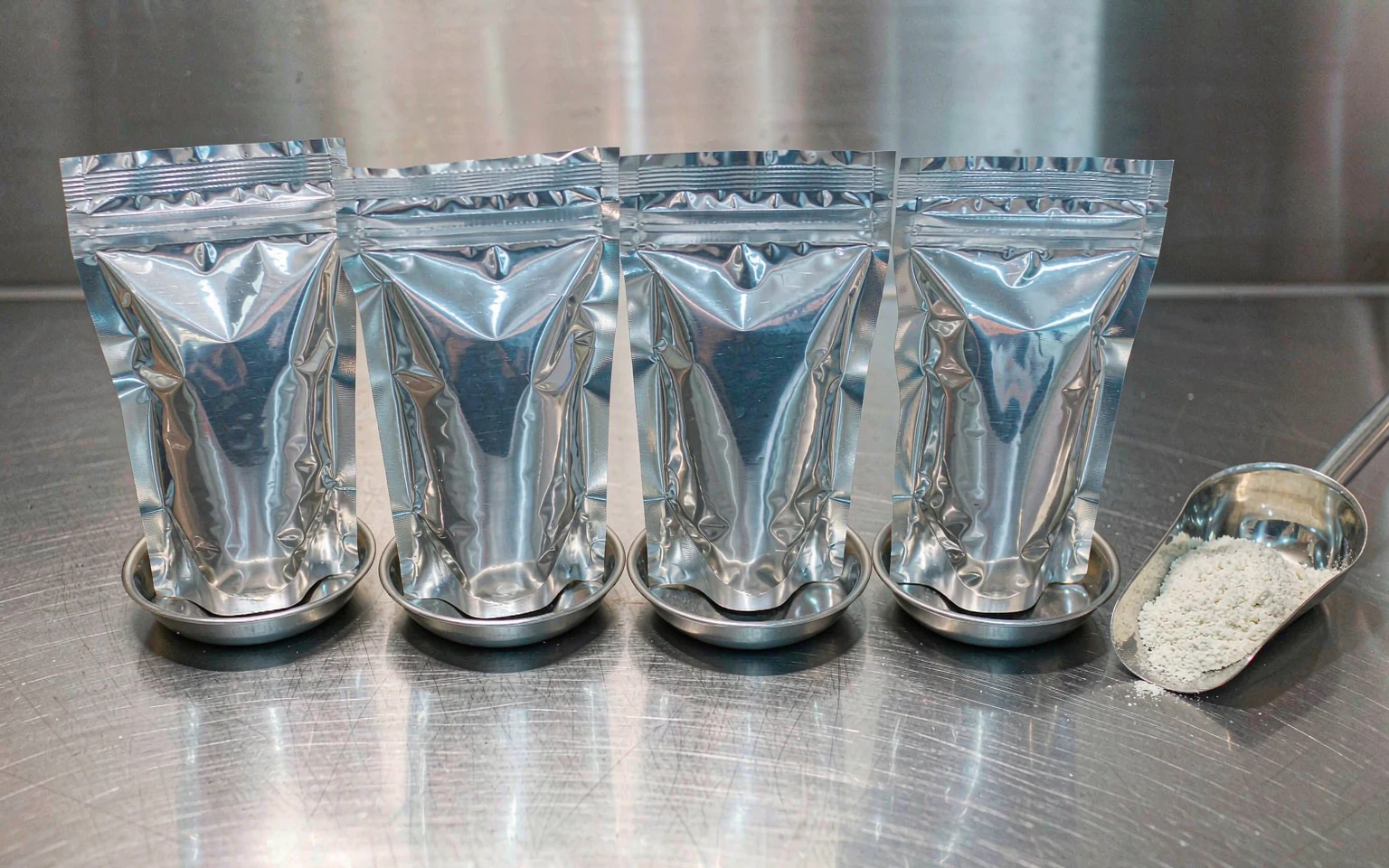
The ppm limits behind that testing are commercial terms you agree with your buyer, not regulatory thresholds. Ask what the method is validated to detect, and write that limit in.
"May contain soy" does not solve the problem. Advisory statements are voluntary in the US, and statute does not define them. FDA holds that they must be truthful and not misleading, and that they are no substitute for current good manufacturing practice.
The commercial cost arrives first: retailers reject advisories on free-from products, and a pack reading "soy-free" on the front and "may contain soy" on the back is contradictory. Soy-free has no statutory definition in the US, so the risk of printing it sits with the brand. Member-state practice on precautionary allergen labelling is not harmonised, and the wording should be confirmed with the destination market's competent authority before artwork.
| Soy protein isolate | Pea protein isolate | |
|---|---|---|
| Protein content, for dose and cost | Approximately 90% | Approximately 80–85% |
| Allergen declaration | Not required in either market | Carries no allergen declaration in either market |
| What the pack must carry | "Soy" in the list or a "Contains" line, plus a control programme to inspect | No allergen declaration for the protein — if the chain supports it |
| What you must prove | That the declaration is correct on every pack | That no soy protein enters from field to finished goods, with sampling records |
Those are typical commercial ranges, not specifications; we standardise to the protein content agreed with your R&D and issue the COA against it. Nothing here is a nutritional comparison.
Mung bean protein sits in a useful middle position: no major allergen declaration, and a milder flavour than pea, which matters at dose. Where pea works functionally but the panel objects, it is worth a trial before a masking system. One caveat: removing soy does not remove legume protein, and soy-allergic individuals are documented reacting to other legumes.
Tell us the claim and the label rules for your market, and we will model the options that carry no soy declaration against cost per unit of protein — and say honestly whether the supply chain supports the claim. Request specifications and samples
 Pea Protein IsolateNot on the EU or US major allergen lists; approx. 80–85% protein.Read More »
 Soy Protein IsolateThe highest protein density of the four, but requires allergen declaration in the EU and US.Read More »
 Mung Bean ProteinPulse-based and allergen-friendly, with a milder flavour than pea at high dosage.Read More »
Pea is not included on the EU Annex II list or the US major allergen list, so it does not trigger a mandatory allergen declaration in those markets on its own. That is a different question from cross-contact: if the material is processed or stored alongside a declared allergen, a precautionary statement may still be appropriate. Confirm the requirement for your destination market and check the segregation arrangements with your supplier.
It is a reasonable candidate when the driver is the allergen declaration rather than a specific functional property. Mung bean protein carries no major allergen declaration in the EU or the US and generally has a milder flavour than pea, which helps at higher dosages. Whether it replaces soy at the same protein claim depends on the specification, so the dose has to be recalculated rather than assumed.
It depends on the two specifications and on your serving size, because the protein content differs and so does the rounding that applies to the claim. The workable method is to calculate the dose needed from the actual COA figures for both materials at your serving size, then compare cost at that dose. We can supply the numbers for both so the comparison is like for like instead of kilogram for kilogram.
Availability varies by protein and by certification, so it should be confirmed at enquiry rather than assumed across the range. Non-GMO and identity-preserved status affect the sourcing chain and lead time. Tell us exactly which documentation the buyer requires and we will state what is available for that item and what accompanies each batch.